Silken Fungus Beetle
The silken fungus beetle refers to any of approximately 800 species of insects belonging to the family Cryptophagidae.
What is silken fungus beetle?
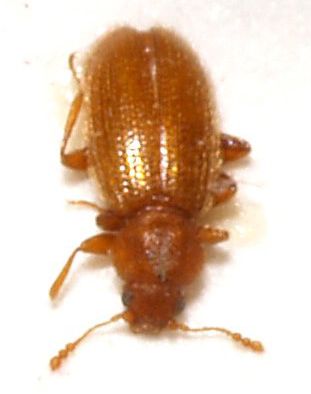
The silken fungus beetle refers to any of approximately 800 species of insects belonging to the family Cryptophagidae.
These beetles are characterized by their small size, typically measuring less than 5 mm (1/5 inch) in length. They are oval-shaped, generally yellow or brown in color, and possess a covering of fine, silky hairs. In terms of behavior, these insects primarily feed on fungi and decaying vegetable matter, and certain species are known to inhabit the nests of bees or wasps.1
What role do fungi play in the ecosystem?
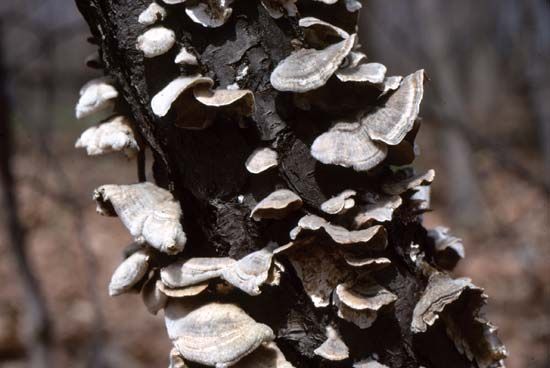
Fungi play a vital and multifaceted role in ecosystems, primarily acting as essential decomposers, symbiotic partners, and occasionally as parasites.
Decomposition and Nutrient Cycling
Fungi are among the most efficient saprotrophs, organisms that feed on nonliving organic matter. They are particularly critical for breaking down plant material, which constitutes the majority of detritus in terrestrial environments.2
- Cellulose Digestion: Most organisms cannot efficiently metabolize cellulose, a complex carbohydrate found in plant cell walls. Fungi have evolved specialized enzymes that digest these structures, converting them into simpler carbohydrates.2
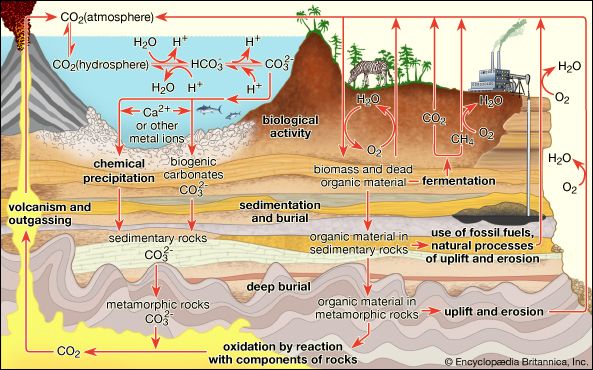
- Carbon Cycle: By decomposing organic matter, fungi facilitate the release of carbon dioxide, playing a key role in the carbon cycle and recycling nutrients back into the ecosystem.23
- Diverse Habitats: Fungi decompose a wide range of materials, including leaves, twigs, wood, and animal dung, and are essential components of soil health.24
Symbiotic Relationships
Fungi often form intimate, mutually beneficial associations with other organisms:
- Mycorrhiza: This is a symbiotic relationship between fungal hyphae and the roots of higher plants. The fungus enhances the plant’s nutritional uptake, while the plant provides the fungus with nutrients, a process essential for the survival and growth of many plant species.5
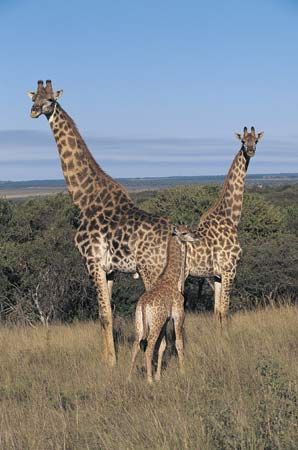
- Rumen Symbiosis: Certain anaerobic fungi reside in the rumen of herbivorous mammals, helping them digest plant materials like cellulose that the animals could not otherwise process.3
Parasitism
In contrast to their role as decomposers, some fungi are parasitic. They invade living organisms to obtain nourishment, often causing disease or death in plants and insects. While these interactions can be destructive to crops or forests, they are a natural part of ecological population regulation.6
How do beetles contribute to the decomposition process?
Beetles play a critical role in the ecosystem by acting as efficient scavengers that break down organic waste and recycle nutrients back into the environment.
Mechanisms of Decomposition
Various groups of beetles contribute to this process by feeding on diverse types of decaying matter:
- Carrion and Burying Beetles: Members of the family Silphidae feed on the bodies of dead animals. Burying beetles are particularly notable for digging the ground from beneath small carcasses to bury them, accelerating the decomposition process in the soil.89
- General Scavengers: Several families, including Scarabaeidae, Tenebrionidae, and Dermestidae, consume dead plant and animal matter, as well as excrement. Dermestid beetles are so effective at cleaning dried animal materials that they are sometimes utilized by zoologists to prepare skeletons.9
- Wood Decomposition: While some beetles are pests that damage living trees, others, such as certain primitive weevils, focus their activity on deadwood, helping to break down fallen logs and timber.10
By processing these materials, beetles perform an essential ecological service, ensuring that nutrients are returned to the earth.
What are some other types of beetles that live in nests?
Many beetles have evolved to live as commensals or parasites within the nests of other insects, often developing specialized physical modifications or chemical secretions to survive among their hosts.1213
Beetles in Social Insect Nests
- Ant Nests: Certain rove beetles (Staphylinidae), such as Lomechusa and Atemeles, are social parasites that live in ant nests. They produce chemical secretions that pacify the ants, inducing the hosts to adopt, feed, and rear the beetle larvae alongside their own brood.14
- Wasp Nests: Wedge-shaped beetles (Ripiphoridae) typically live as parasites in the nests of wasps, where they undergo a complex developmental process known as hypermetamorphosis. Blister beetles (Meloidae) also commonly inhabit bee nests, where they feed on the eggs and stored food supplies.12
- Termite Nests: Various beetle species have adapted to life within termite colonies. These beetles often exhibit physical degeneration, such as the loss of wings or wing covers, as these structures are no longer necessary in their protected, subterranean environments.13
Other Nest-Dwelling Beetles
- Bird and Animal Nests: Dermestid beetles are frequently found in the nests of birds and other animals, where they feed on accumulated debris, dead insects, and animal skins.12
Sources
- silken fungus beetle — Encyclopædia Britannica
- saprotroph — Encyclopædia Britannica
- fungus - Parasitism in plants and insects — Encyclopædia Britannica
- mycorrhiza — Encyclopædia Britannica
- fungus - Saprotrophism — Encyclopædia Britannica
- soil - Biological phenomena — Encyclopædia Britannica
- fungus - Ecology of fungi — Encyclopædia Britannica
- carrion beetle — Encyclopædia Britannica
- Coleoptera - As scavengers — Encyclopædia Britannica
- bark beetle — Encyclopædia Britannica
- Coleoptera - As plant feeders — Encyclopædia Britannica
- Coleoptera - Feeding habits and habitats — Encyclopædia Britannica
- Hymenoptera - Social parasitism — Encyclopædia Britannica
- Coleoptera - Beetles as prey — Encyclopædia Britannica
- Coleoptera - Special ecological relationships — Encyclopædia Britannica
- bess beetle — Encyclopædia Britannica
- Nitidulidae — Merriam-Webster
Published on · 3 min read