Raptor
A raptor is generally defined as any bird of prey, a term derived from the Latin raptare, meaning "to seize and carry off." While the name is sometimes used…
What is Raptor?
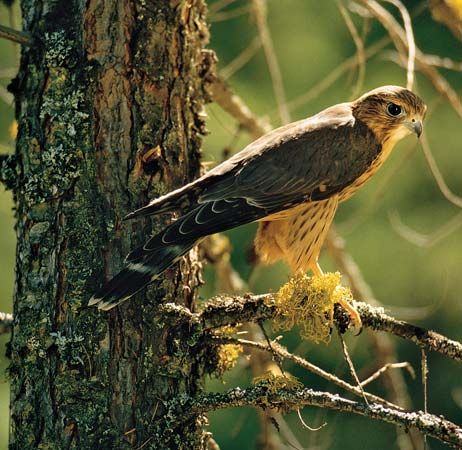
A raptor is generally defined as any bird of prey, a term derived from the Latin raptare, meaning “to seize and carry off.” While the name is sometimes used synonymously with birds of prey, it is occasionally restricted to members of the order Falconiformes, which includes hawks, eagles, falcons, and vultures.12
These birds are apex predators characterized by hook-tipped beaks and sharp, curved claws known as talons, which they use to hunt other animals for food. More than 500 species are classified as diurnal raptors, while nocturnal birds of prey, such as owls, belong to the order Strigiformes.2
What are the main differences between diurnal and nocturnal birds of prey?
Diurnal and nocturnal birds of prey have evolved distinct physiological and behavioral adaptations to thrive in their respective environments. While both groups share predatory traits like hook-tipped beaks and sharp talons, they differ significantly in their sensory capabilities and activity patterns.23
Sensory and Physical Adaptations
- Vision: Diurnal raptors, such as hawks and eagles, rely on high-acuity vision suited for daylight, utilizing retinas rich in cones to perceive color and fine detail. In contrast, owls (nocturnal birds of prey) possess large, forward-facing eyes with retinas dominated by rods, which enhance light sensitivity and motion detection at the expense of color vision.4536
- Hearing: Owls have evolved specialized auditory adaptations, including asymmetrical ear openings and a facial ruff of feathers that concentrates sound, allowing them to locate prey in near-total darkness.6
- Flight: To facilitate stealthy hunting, owls possess soft, dense plumage with flight feathers designed to minimize noise, whereas diurnal raptors often rely on soaring or active flight during the day.46
Behavioral Differences
Diurnal raptors typically hunt by sight during daylight hours, often using perches or soaring at great heights to scan for prey. Many nocturnal owls hunt by dropping from perches or flying low over terrain, and they are known to regurgitate indigestible material as compact pellets. While diurnal species generally roost at night, owls are active in low-light conditions, which also provides them with protection from daytime disturbances.473
How do talons and hooked beaks help raptors hunt?
Talons and hooked beaks are specialized evolutionary adaptations that allow birds of prey to function as effective apex predators.12
The Role of Talons
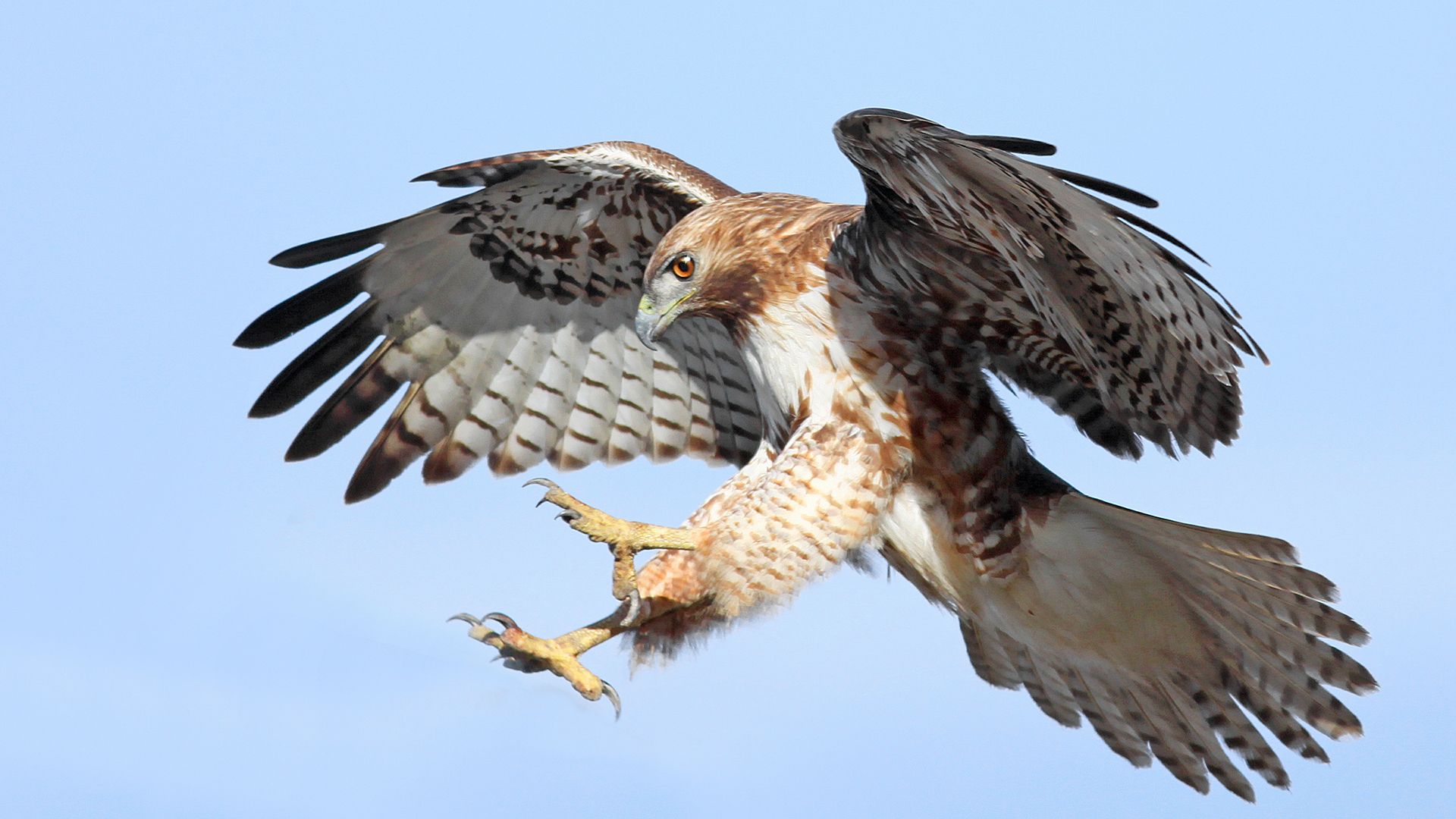
Talons are sharp, curved claws used primarily for the capture and dispatch of prey. Their structure varies significantly depending on the species’ hunting strategy:1312
- Killing and Grasping: Most raptors use their feet to kill prey, with the hind toe typically being the longest and most powerful.2
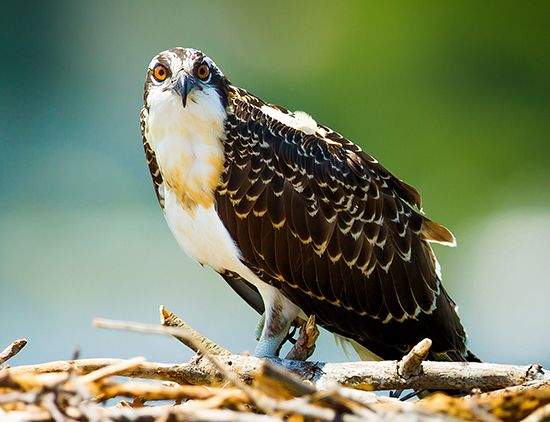
- Specialized Adaptations: Some species have evolved specific foot structures, such as the osprey, which features a reversible outer toe for handling slippery fish, or species with sharp spicules on their soles to maintain a grip.2
- Force: Depending on the prey, talons range from needle-like for capturing birds to heavy and thick for paralyzing medium-sized mammals.2
The Role of Hooked Beaks
The hooked beak is essential for processing food after the kill. Its primary function is tearing flesh from prey. In some groups, such as falcons, the beak features notches or tooth-like structures that assist in breaking the necks of prey.132
What is an apex predator and why are raptors considered one?
An apex predator is a carnivore that occupies the top position in a food chain or ecosystem’s trophic pyramid, meaning it has no natural predators or enemies of its own. By sitting at the final destination of energy flow within a biological community, these animals often act as keystone species, exerting a disproportionate influence on their environment by controlling the populations of other species.1516
Birds of prey—commonly referred to as raptors—are classified as apex predators because they actively pursue other animals for food and lack natural predators. Their status as top-tier hunters is supported by specialized physical adaptations, including:2
- Hook-tipped beaks: Designed for tearing flesh and processing prey.2
- Talons: Sharp, curved claws used to seize, carry off, and dispatch prey (the term raptor is derived from the Latin raptare, meaning “to seize and carry off”).2
These traits allow raptors to effectively manage prey populations, thereby maintaining the balance and biodiversity of their respective ecosystems.152
Sources
- Raptor — Encyclopædia Britannica
- Bird of prey — Encyclopædia Britannica
- Owl - Ecology — Encyclopædia Britannica
- Owl - General features — Encyclopædia Britannica
- Falconiform - Behaviour — Encyclopædia Britannica
- Owl - Form and function — Encyclopædia Britannica
- Photoreception - Adaptive mechanisms of vision — Encyclopædia Britannica
- Falconiform - Evolution and paleontology — Encyclopædia Britannica
- Why do cats have slit pupils? — Encyclopædia Britannica
- Falconiform - Critical appraisal — Encyclopædia Britannica
- Photoreception - Diversity of eyes — Encyclopædia Britannica
- Falconiform - Feet and beak — Encyclopædia Britannica
- Falconiform - Form and function — Encyclopædia Britannica
- Deinonychus — Encyclopædia Britannica
- apex predator — Encyclopædia Britannica
- apex predator — Merriam-Webster
- Falconiform - Feeding — Encyclopædia Britannica
Published on · 3 min read