River Bandon
The River Bandon is a 40-mile (64 km) river located in County Cork, Ireland. It originates in the Maughanaclea Hills and flows through a valley characterized…
What is River Bandon?
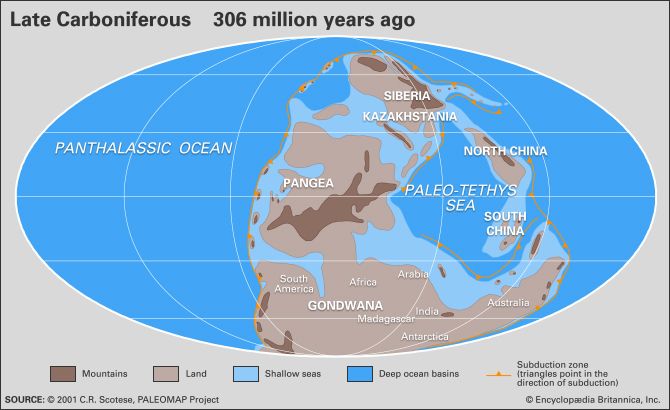
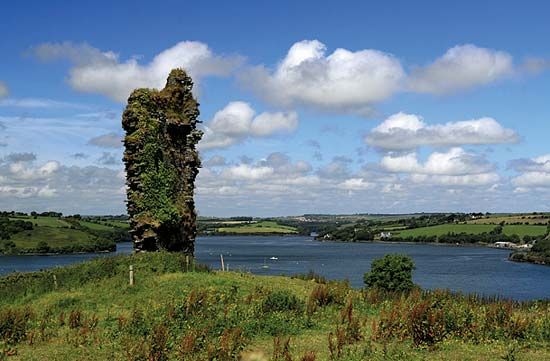
The River Bandon is a 40-mile (64 km) river located in County Cork, Ireland. It originates in the Maughanaclea Hills and flows through a valley characterized by rocks from the Carboniferous Period, eventually reaching the sea at Kinsale Harbour.1
The river flows through the town of Bandon, an agricultural center founded in 1608. The river’s path includes a broad, fertile valley and woodlands, and it is well-regarded for its salmon and trout fishing. Near the town of Kinsale, the river forms an estuary that serves as a significant area for fishing and tourism.21
What is the history of the town of Kinsale?
Kinsale is a historic market town and seaport in County Cork, Ireland, situated at the estuary of the River Bandon. While the town’s current appearance largely dates to the 18th century, its roots are much older.3
Historically, the town was held by the De Courcis family and received a charter of incorporation from Edward III during his reign (1327–1377). A pivotal moment occurred in 1601 when the town was captured by Spanish forces before being retaken by the English. Following this, Kinsale served as a vital garrison and port for several centuries. Notable historical figures, including William Penn, held office in the town.3
Architectural landmarks reflect this long history, such as the 15th-century Desmond Castle—now a wine museum—and St. Multose, a medieval church dating to the late 12th century that remains one of the Church of Ireland’s oldest.3
How do rivers form estuaries?
Estuaries are dynamic coastal environments where river water mixes with seawater, creating a unique zone defined by salinity gradients rather than fixed geographic boundaries. Their formation is primarily driven by changes in sea level and geomorphological processes.456
Most modern estuaries originated following the end of the Wisconsin Glacial Stage approximately 18,000 years ago. As global ice sheets melted, rising sea levels inundated coastal areas, flooding river valleys that had been entrenched during periods of lower sea levels.56
Estuaries generally develop through three primary mechanisms:
- Drowned Valleys: Rising seas flood river valleys or deep, narrow gorges carved by glaciers, the latter of which are known as fjords.6
- Depositional Features: Barrier islands or spits enclose coastal waters, creating lagoons or partially enclosed bays where fresh and salt water mix.46
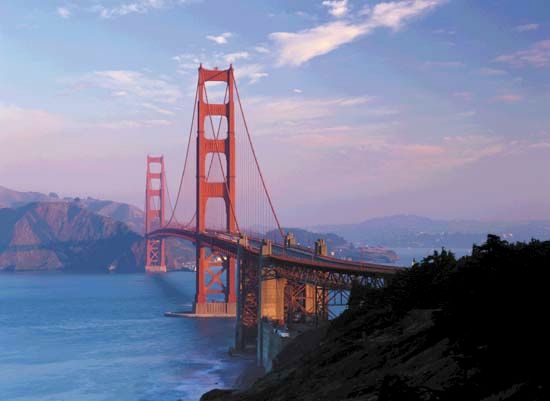
- Tectonic Activity: Coastal subsidence or down-faulting of land can create basins that become inundated by the sea, such as San Francisco Bay.56
What are some other major rivers in Ireland?
While the River Shannon is the longest river in Ireland, the island features a diverse network of inland waterways. These rivers are often categorized by their geographic location and are frequently noted for their salmon fisheries7.78
Major rivers in Ireland include:
- Eastern Rivers: The Slaney, the Liffey—which flows through the city of Dublin—and the Boyne.79
- Southeastern Rivers: The Nore, the Barrow, and the Suir.7
- Southern Rivers: The Blackwater, the Lee, and the Bandon.7
- Western Rivers: The Clare and the Moy](https://www.britannica.com/place/Clare-county-Ireland) and the Moy.8
Many of these inland streams flow slowly through marshes and lakes before reaching the sea, often via waterfalls or rapids. Their development is influenced by the underlying Carboniferous limestone, which has created an extensive underground drainage system that feeds the surface network.7
Sources
- River Bandon — Encyclopædia Britannica
- Bandon — Encyclopædia Britannica
- Kinsale — Encyclopædia Britannica
- estuary — Encyclopædia Britannica
- estuary - Geology and geomorphology — Encyclopædia Britannica
- river - Origin and classification — Encyclopædia Britannica
- River Shannon — Encyclopædia Britannica
- Ireland - Drainage of Ireland — Encyclopædia Britannica
- Ireland — Encyclopædia Britannica
- River Liffey — Encyclopædia Britannica
Published on · 2 min read