River Lune
The River Lune is a 45-mile (72 km) river located in England. It rises near Newbiggin in the administrative county of Cumbria and flows westward and then…
What is River Lune?
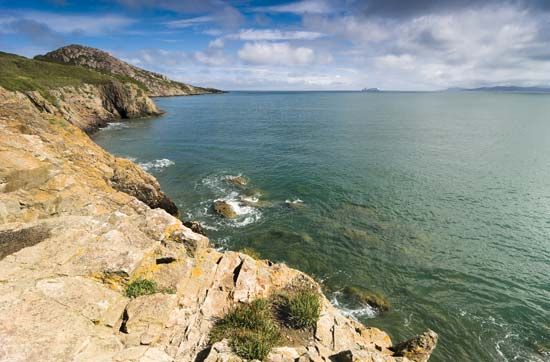
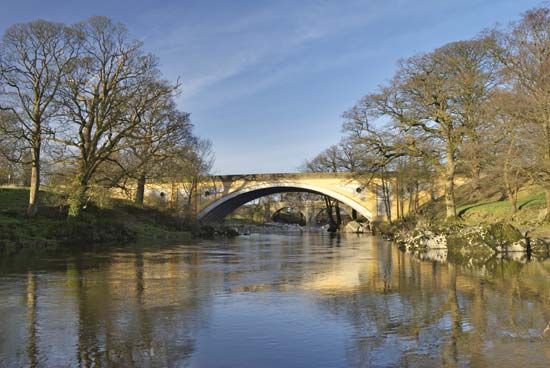
The River Lune is a 45-mile (72 km) river located in England. It rises near Newbiggin in the administrative county of Cumbria and flows westward and then southward before emptying into the Irish Sea near Heysham in Lancashire.1
The river serves as a drainage system for part of the northern Pennines. At its mouth near Sunderland Point, the river is characterized by extensive sand flats exposed at low tide. The city of Lancaster serves as the major town along its course and has historically functioned as an important crossing point.1
What are the Pennines?
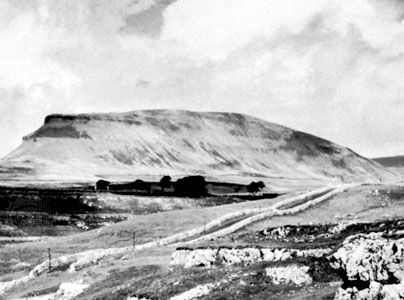
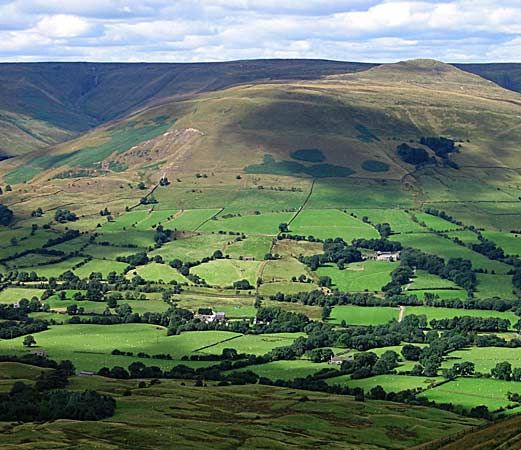
The Pennines are a major upland mass that serves as a geographical “backbone” or “spine” in northern England, stretching from Northumberland in the north to Derbyshire in the south. Rather than a single continuous range, the system consists of numerous short hills separated by valleys known as dales.
Key characteristics include:
- Geography: The uplands feature a short, steep western slope and a gentle eastern dip. They act as a primary watershed for northern England’s major rivers.
- Geology: The structure is composed primarily of carboniferous limestone and Millstone Grit. This limestone has been shaped by water into remarkable underground caverns and chasms, such as Gaping Gill.
- Economy: The region relies on sheep farming, quarrying, and tourism, supported by national parks like the Peak District and Yorkshire Dales.
- History: The area contains significant prehistoric remains and is home to Hadrian’s Wall, an ancient Roman defensive line.
Why is Lancaster an important historical crossing point?
Lancaster’s historical significance as a crossing point is rooted in its strategic location at the head of the River Lune estuary in northwestern England.
The site’s importance began in the Roman era, when it was established as a Roman station. The presence of a castrum (fort) at this location allowed for the control of movement across the river, a function that persisted through the medieval period. In the 11th century, the construction of a castle on an eminence overlooking the river further solidified the town’s role as a defensive and administrative hub.
Beyond its early military utility, Lancaster evolved into a vital regional market center. Its position on the river facilitated trade, and it remains a key transit point today, situated on the railway line between southern Lancashire and Carlisle, as well as on a major motorway connecting Birmingham to Scotland.
What wildlife lives in the Irish Sea?
The Irish Sea supports a variety of marine life, particularly fish species that are significant for commercial fishing. Commonly found species in these waters include:
- Fish: The sea is known for populations of herring and whiting, as well as cod and various flatfish. Other offshore species present in the region include haddock, mackerel, coalfish, turbot, and plaice.67
While the Irish Sea is a productive environment, it is important to note that marine life in such coastal areas can be vulnerable to pollution from land-based sources, including industrial waste and agricultural runoff, which can negatively impact local ecosystems.8
Sources
- River Lune — Encyclopædia Britannica
- Pennines — Encyclopædia Britannica
- mountain - The western segment of the system — Encyclopædia Britannica
- Lancaster — Encyclopædia Britannica
- Lancaster — Encyclopædia Britannica
- Irish Sea — Encyclopædia Britannica
- What Is a Marine Mammal? — Encyclopædia Britannica
- United Kingdom - Plant and animal life — Encyclopædia Britannica
- Atlantic Ocean - Environmental impact of human activity — Encyclopædia Britannica
- Shorebird — Encyclopædia Britannica
Published on · 2 min read