Saint Paul Island
There are two distinct locations known as Saint Paul Island:
What is Saint Paul Island?
There are two distinct locations known as Saint Paul Island:
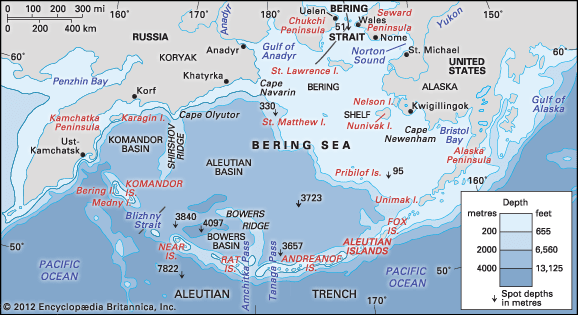
- Pribilof Islands (Alaska): St. Paul is the largest island in this Bering Sea archipelago, located off the coast of Alaska. Formed by volcanic activity, it is a critical breeding ground for northern fur seals and hosts a significant Aleut community. The island is part of the Alaska Maritime National Wildlife Refuge and supports diverse wildlife, including millions of migratory birds.1
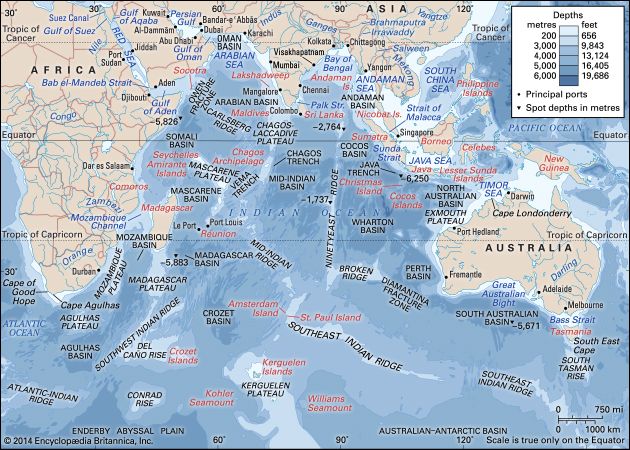
- Indian Ocean: This is a small, volcanic island located in the southern Indian Ocean. It is administratively part of the French Southern and Antarctic Territories. The island features a crater inundated by the sea and was annexed by France in 1843.2
What are the Pribilof Islands known for?
The Pribilof Islands, an archipelago in the Bering Sea, are primarily known for their role as a critical breeding ground for northern fur seals. Approximately two-thirds of the world’s population of these seals gather on the islands annually, a phenomenon that has historically sparked significant international conservation efforts and treaties, such as the North Pacific Sealing Convention.1
Beyond their significance to marine mammals, the islands are recognized for:
- Indigenous Heritage: The islands are home to the largest remaining Aleut settlement in Alaska. Originally uninhabited, the islands were the site of the forced relocation of Aleuts by Russian hunters in 1788.1
- Biodiversity: Part of the Alaska Maritime National Wildlife Refuge, the islands host nearly three million migratory birds across 220 species, as well as reindeer, Arctic blue foxes, and various marine life.1
- Geology: Formed by basaltic lava eruptions, the islands are characterized by treeless, lush vegetation and are located near the Pribilof Canyon, a massive submarine feature.13
Who are the Aleut people?
The Aleut people are the Indigenous inhabitants of the Aleutian Islands and the western portion of the Alaska Peninsula. While the name “Aleut” is of Russian origin, the people refer to themselves as Unangan or Unangas (plural of Unangax̂) and Sugpiat (plural of Sugpiaq). They are closely related to the Inuit in both language and culture.56
Historically, the Unangax̂ lived in semisubterranean homes and relied on sophisticated hunting techniques, utilizing kayaks and umiaks to hunt marine mammals5. Following Russian contact in 1741, the population suffered a catastrophic decline due to foreign exploitation and forced labor. In the Pribilof Islands, Russians forcibly relocated Aleuts in 1788 to hunt fur seals.51
Despite these hardships, the late 20th century saw a significant revitalization of traditional culture, including language and crafts. Today, the Aleut people continue to assert their political rights and maintain their heritage, with St. Paul Island hosting the largest remaining Aleut settlement in Alaska.51
How do northern fur seals live and breed?
Northern fur seals (Callorhinus ursinus) are highly migratory, gregarious marine mammals known for their distinct breeding cycle. They reproduce annually from May to November, primarily on the Pribilof Islands, though they also utilize other locations such as the Komandor (Commander) Islands.78
During the breeding season, these seals congregate in large colonies on land. They are vocal animals, and their social structure is characterized by their gregarious nature. Once the breeding season concludes, the colonies disperse into the open seas for the remainder of the year. Their migration patterns are sexually segregated:8
- Males: Typically remain in northern waters, staying in the Gulf of Alaska and near the Aleutian Islands.7
- Females: Migrate significantly farther south, traveling as far as southern California, a distance of approximately 4,800 kilometres (3,000 miles).7
These seals are carnivorous, feeding on fish and other marine life. While their populations were once decimated by extensive hunting, they have been under legal protection since 1911.8
Sources
- Pribilof Islands — Encyclopædia Britannica
- Saint Paul Island — Encyclopædia Britannica
- Pribilof Islands — Merriam-Webster
- Pribilof Canyon — Encyclopædia Britannica
- Aleut — Encyclopædia Britannica
- Aleut — Merriam-Webster
- Migration - Marine mammals — Encyclopædia Britannica
- fur seal — Encyclopædia Britannica
- Chukchi Sea — Encyclopædia Britannica
- elephant seal — Encyclopædia Britannica
Published on · 3 min read