Sandalwood
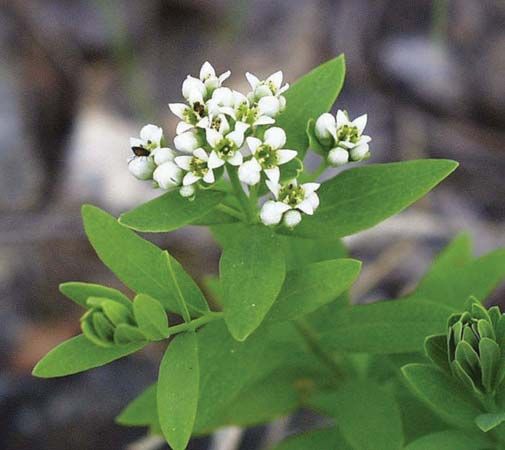
Sandalwood refers to a genus of approximately 25 species of semiparasitic plants belonging to the family Santalaceae. The term is most commonly associated…
What is sandalwood and where does it primarily grow?
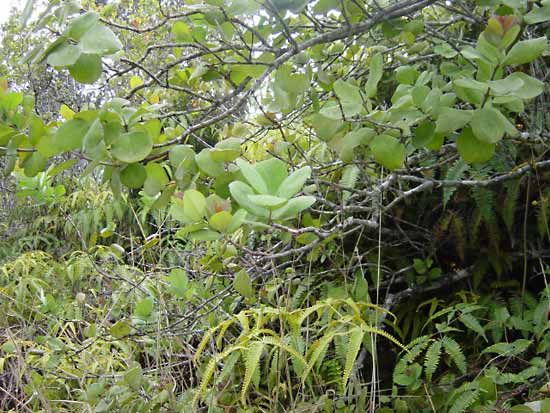
Sandalwood refers to a genus of approximately 25 species of semiparasitic plants belonging to the family Santalaceae. The term is most commonly associated with the fragrant wood of the true, or white, sandalwood tree (Santalum album).1
These trees are primarily distributed throughout southeastern Asia, Australia, and the islands of the South Pacific.1
True sandalwood trees are characterized by their leathery leaves and a unique growth habit: they are partially parasitic on the roots of other tree species. Both the tree and its roots contain a yellow, aromatic oil that is highly valued for use in incense, perfumes, soaps, and traditional medicines. Because the trees are slow-growing—often requiring 30 years for the heartwood to reach a useful thickness—and face significant threats from habitat loss and overharvesting, several species are currently listed as endangered or critically endangered.1
What are the unique characteristics of the sandalwood tree?
The sandalwood tree (Santalum) possesses several distinct biological and physical characteristics that set it apart:
- Semiparasitic Nature: Sandalwood trees are semiparasitic, meaning they form connections called haustoria to the roots of other tree species to obtain water and nutrients, even though they possess chlorophyll to manufacture their own food.12
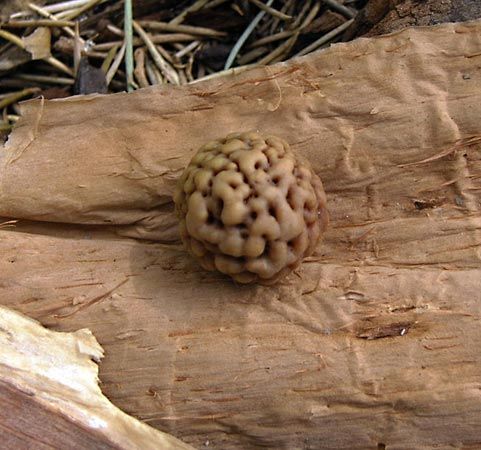
- Aromatic Oil: Both the tree and its roots contain a yellow, fragrant oil. This sandalwood oil is highly valued for its long-lasting scent and is extracted via steam distillation for use in incense, perfumes, and traditional medicines.1
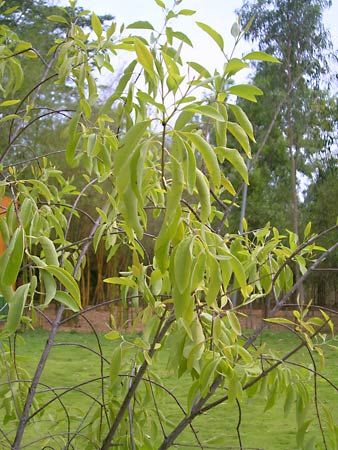
- Physical Structure: A true sandalwood tree (Santalum album) typically reaches a height of about 10 meters (33 feet). It features leathery, coriaceous leaves arranged in opposite pairs along the branches.13
- Slow Growth: These trees are notably slow-growing, often requiring approximately 30 years for the heartwood to reach a thickness suitable for economic use.1
Due to their slow maturation and high demand, many species are currently threatened by overharvesting and habitat loss, with several listed as endangered or critically endangered.1
What are the main uses of sandalwood in various industries?
Sandalwood is a versatile resource utilized across several industries due to its aromatic properties and durable wood. Its primary applications include:
- Fragrance and Personal Care: The aromatic oil extracted from the wood and roots via steam distillation is a key ingredient in perfumes, soaps, and candles.4
- Manufacturing and Craftsmanship: The compact, close-grained heartwood is highly valued for ornamental carving, cabinetwork, and the production of fans, furniture, and decorative boxes. Because the scent persists for years, it is frequently used in items intended to retain a fragrance.41
- Religious and Cultural Practices: Sandalwood has been used since antiquity in incense, funeral ceremonies, and various religious rites. Additionally, powdered sandalwood is used to create pastes for Brahman caste marks and in sachets for scenting clothing.4
- Medicine: The oil and wood are utilized in traditional folk medicines.4
While true sandalwood (Santalum album) is the primary source, other species, such as red sandalwood (Pterocarpus santalinus), are used as dyewoods and for coloring tincturesdyewoods](https://www.britannica.com/dictionary/redsandalwood) and for coloring tinctures.15
How long does it take for a sandalwood tree to mature?
Sandalwood trees are characterized by their slow growth rate. It typically takes approximately 30 years for the heartwood of a true sandalwood tree (Santalum album) to reach a thickness that is considered economically useful.1
Sources
- sandalwood — Encyclopædia Britannica
- Santalaceae — Encyclopædia Britannica
- Santalum — Merriam-Webster
- sandalwood oil — Merriam-Webster
- sandalwood — Merriam-Webster
- red sandalwood — Merriam-Webster
Published on · 3 min read