Secretary Bird
The secretary bird (Sagittarius serpentarius) earned its distinctive name due to its physical appearance, specifically its crest of feathers. The bird…
How did the secretary bird get its unique name?
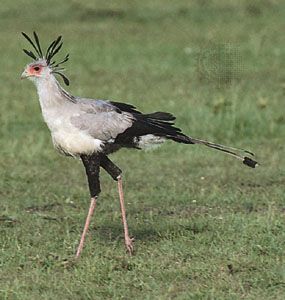
The secretary bird (Sagittarius serpentarius) earned its distinctive name due to its physical appearance, specifically its crest of feathers. The bird possesses twenty black crest feathers that give the impression it is carrying a bunch of quill pens tucked behind its ears, a practice common among office secretaries in the past.12
This unique bird of prey is native to the dry uplands of sub-Saharan Africa and is notable for being the only terrestrial bird of prey. Beyond its name, the bird is well-adapted for its environment, featuring thick scales on its legs that provide protection against snakebites while it hunts its primary prey.12
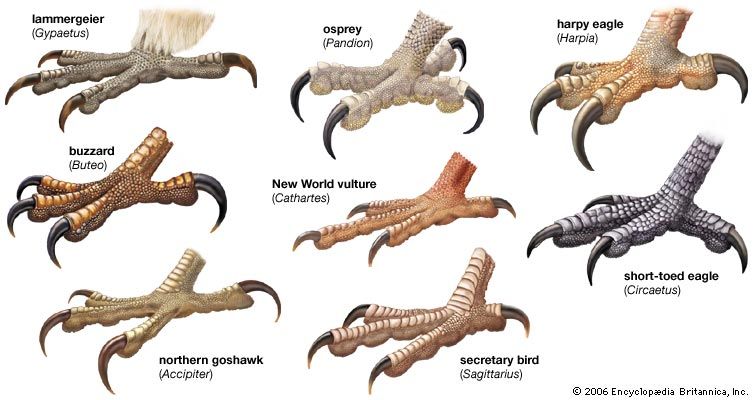
What adaptations do secretary birds have for their unique hunting style?
The secretary bird is uniquely adapted for a terrestrial hunting lifestyle, relying on specialized physical traits to thrive in the dry uplands of Africa.23
Physical Adaptations
- Leg Structure: The bird possesses long, crane-like legs that allow it to walk at a rapid, steady pace over long distances. These legs are covered in thick scales, which serve as a critical defense mechanism to protect the bird from snakebites during its hunts.32
- Foot Morphology: Unlike many other birds of prey, the secretary bird has short toes, which are well-suited for its primarily ground-dwelling habits.3
Hunting Techniques
- Active Foraging: The bird hunts on foot, often in pairs or small groups that maintain contact through hooting. It moves with a jerking head motion and incorporates bouts of quick, rhythmic stamping steps to flush out potential prey from the grass.23
- Predatory Methods: Secretary birds primarily consume snakes, though their diet also includes lizards, grasshoppers, mice, and eggs. To neutralize dangerous prey, they use their powerful legs to stamp on snakes or flail them against the ground; in some instances, they may drop prey from the air to ensure a kill.2
What is the secretary bird’s diet, and how does it hunt for food?
The secretary bird (Sagittarius serpentarius) is a specialized predator that primarily consumes snakes. Its diet is also supplemented by lizards, grasshoppers, mice, and birds’ eggs.2
To secure its food, the secretary bird hunts on foot, often moving in pairs or small groups that maintain contact through hooting. Its hunting strategy is highly physical: it kills snakes by stamping on them or flailing them against the ground. In some instances, the bird may even drop its prey from the air to ensure a successful kill.2
These birds are well-equipped for this terrestrial lifestyle, featuring thick scales on their legs that provide essential protection against snakebites while they forage in the dry uplands of Africa.2
How does the secretary bird’s behavior differ from other birds of prey?
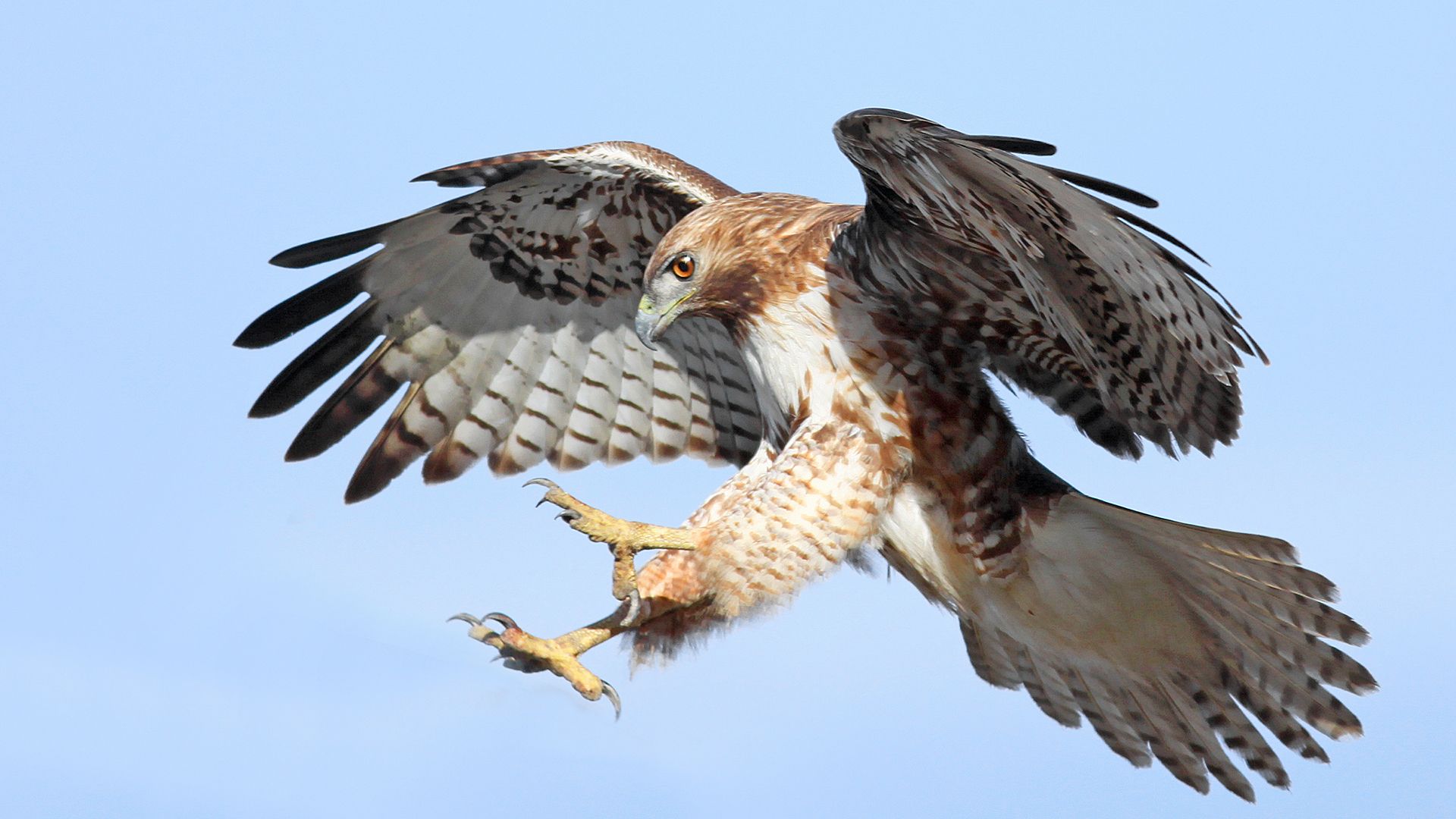
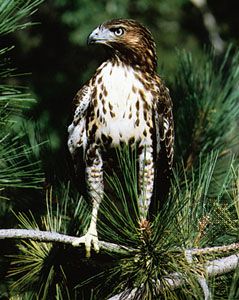
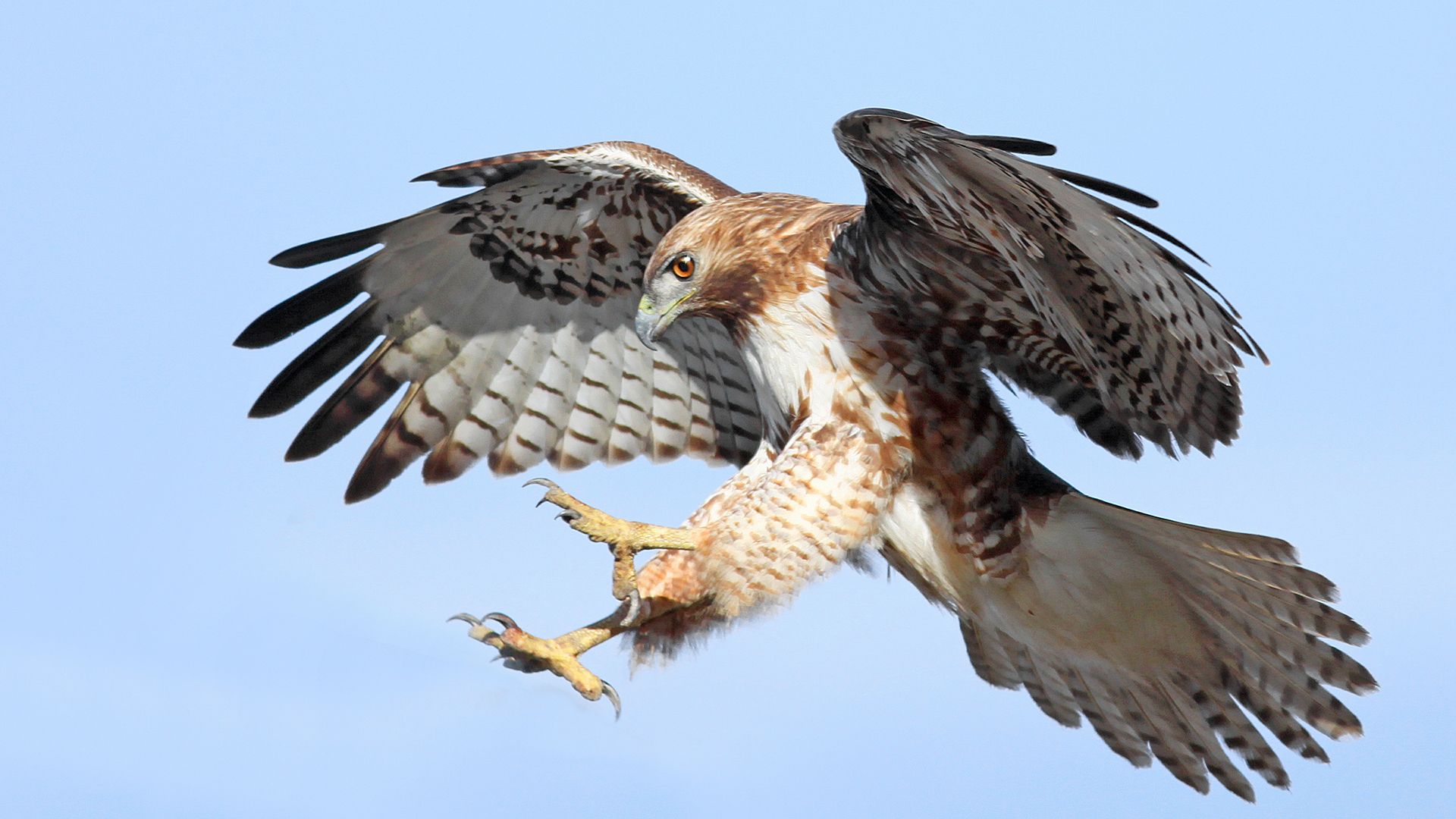
The secretary bird (Sagittarius serpentarius) is distinct among birds of prey because it is the only living species that is primarily terrestrial in its habits. While most raptors, such as hawks and falcons, rely on flight for hunting and maneuvering, the secretary bird is uniquely adapted for a life on the ground.234
Key behavioral and physical differences include:
- Locomotion: Unlike other raptors that primarily hunt from the air or perches, the secretary bird hunts on foot, covering long distances at a rapid, steady pace. It uses its long, crane-like legs to walk, occasionally incorporating rhythmic stamping steps to flush out prey from the grass.23
- Hunting Strategy: While many birds of prey use their talons to strike from above, the secretary bird kills its prey—often snakes—by stamping on them or flailing them against the ground.2
- Physical Morphology: It possesses short toes, which are better suited for walking than the grasping talons of other raptors, and its legs are covered in thick scales to protect against snakebites.23
Sources
- secretary bird — Merriam-Webster
- Secretary bird — Encyclopædia Britannica
- Falconiform - Walking and hopping — Encyclopædia Britannica
- What are the differences between hawks and falcons? — Encyclopædia Britannica
Published on · 3 min read