Sideroxylon
Sideroxylon is a genus comprising approximately 75 species of woody trees and shrubs belonging to the sapodilla family (Sapotaceae). These plants are…
What is Sideroxylon?
Sideroxylon is a genus comprising approximately 75 species of woody trees and shrubs belonging to the sapodilla family (Sapotaceae). These plants are primarily native to the warmer regions of North and South America and are characterized by their extremely hard wood and the presence of gummy or milky sap.1
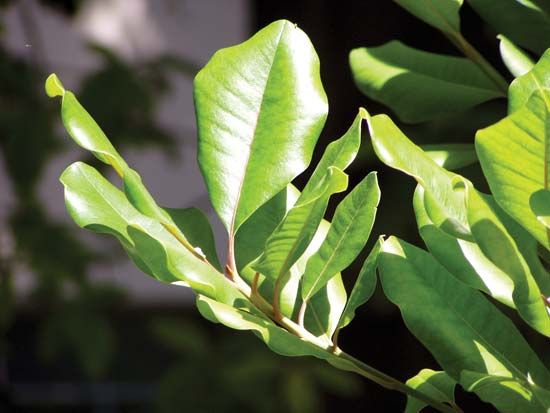
The plants often feature thorny branches and alternate, smooth-edged leaves. A notable species, S. lanuginosa—also known as chittamwood, gum elastic, or false buckthorn—is sometimes grown as an ornamental. It can reach heights of about 15 meters (50 feet) and produces small white flowers in clusters, followed by small, black, ellipsoid fruit.1
What are the main characteristics of the Sapotaceae family?
The Sapotaceae family consists of approximately 53 genera and 1,100 species of evergreen trees and shrubs, primarily distributed throughout the humid tropics. These plants are members of the order Ericales and are characterized by several distinct morphological and chemical features.23
Key Characteristics
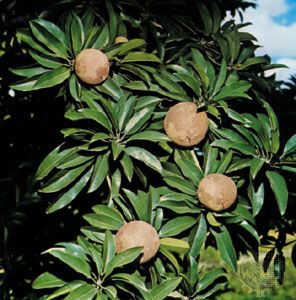
- Vegetative Features: The twigs typically exude a milky latex or gutta, and the leaves are coriaceous (leathery) with smooth, untoothed margins and closely parallel secondary veins. The plants often feature small, naked terminal buds covered in brownish, T-shaped hairs.42
- Floral Structure: The flowers are generally axillary and possess persistent sepals and fused petals. They often feature stamens that are equal in number to the petals and positioned opposite them, sometimes alternating with staminodia.42
- Fruit and Seeds: The family is known for producing fleshy, often edible fruits that are dispersed by various animals, including bats, monkeys, birds, and fish. The seeds are typically large with a thick, shiny brown coat and a prominent, pale-colored scar.42
- Economic Importance: The latex produced by these plants is a source of gutta-percha, balata, and chicle.2
Why is the wood of Sideroxylon trees considered so hard?
The wood of Sideroxylon trees is characterized as extremely hard, a trait common to many species within the Sapotaceae family. While the specific biological mechanisms behind the hardness of Sideroxylon are not detailed in the provided search results, the general hardness of wood is fundamentally determined by its density.167
Density is a measure of the mass of wood substance per unit volume, which is influenced by the proportion of wood substance to void volume and the presence of extractives. In general, wood density is determined by the thickness of cell walls and the size of cell cavities; wood with thicker cell walls and smaller cavities is denser and typically harder. Because the density of the actual wood substance is consistent across species (approximately 1.5 grams per cubic centimeter), the variation in hardness observed in trees like Sideroxylon is primarily a result of how densely that material is packed within the wood structure.7
How do plants with milky sap benefit from this adaptation?
Plants with milky sap, or latex, benefit from this adaptation primarily as a sophisticated defense mechanism against herbivory. In tropical environments where plants are under constant pressure from insects and mammalian herbivores, latex serves as an entrapping substance that can deter or physically impede those attempting to consume plant tissues.89
Beyond its physical properties, latex is a complex chemical mixture that often contains poisonous compounds, such as alkaloids, enzymes, and tannins, which can be toxic or unpalatable to potential predators. These substances circulate through a network of branched tubes within the plant, allowing the plant to deploy these defenses rapidly when tissues are damaged.8
In addition to its defensive role, the latex system functions as an excretory reservoir for the plant, helping to manage metabolic byproducts. While these substances are highly effective at protecting the plant, they also provide significant economic value to humans, serving as the source for materials such as rubber, gutta-percha, chicle, and balata.84
Sources
- Sideroxylon — Encyclopædia Britannica
- Sapotaceae — Merriam-Webster
- Ericales — Encyclopædia Britannica
- Ericales - Sapotaceae — Encyclopædia Britannica
- sapote — Encyclopædia Britannica
- Sideroxylon — Merriam-Webster
- wood - Density and specific gravity — Encyclopædia Britannica
- latex — Encyclopædia Britannica
- Eating the rainforest — Encyclopædia Britannica
Published on · 3 min read