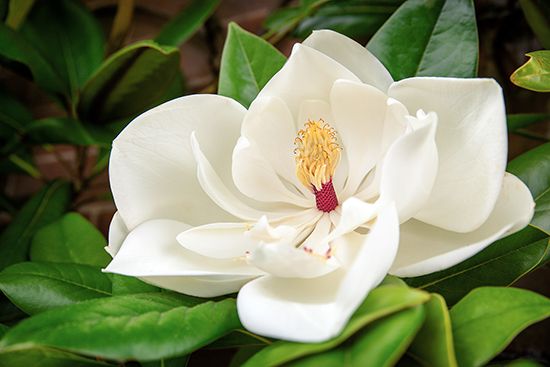
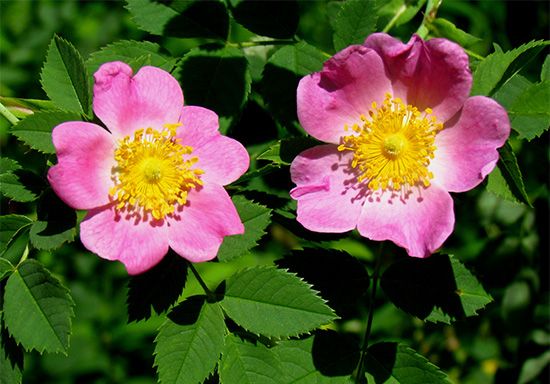
Sepal
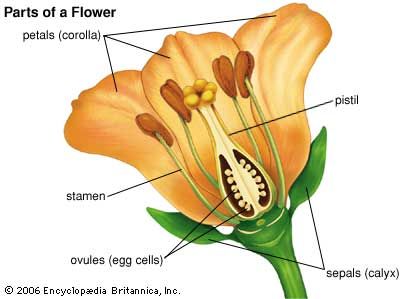
A sepal is an outer part of a flower that primarily functions to enclose and protect the unopened flower bud. Collectively, all the sepals of a flower are…
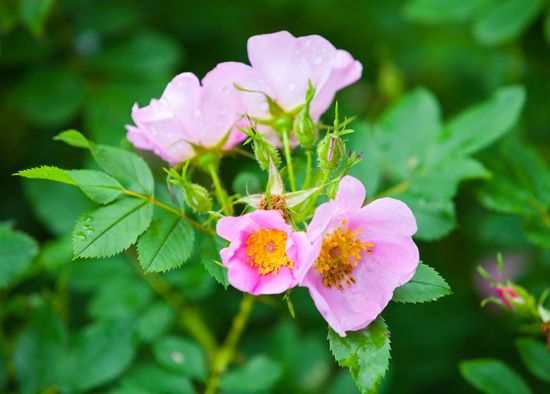
What is Sepal?
A sepal is an outer part of a flower that primarily functions to enclose and protect the unopened flower bud. Collectively, all the sepals of a flower are referred to as the calyx.12
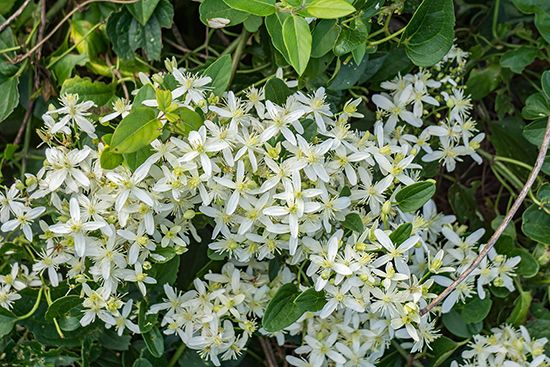
While typically green and leaflike, sepals can sometimes be brightly colored and function like petals in species that lack them, such as Clematis. Unlike petals and stamens, which are often short-lived, sepals are frequently persistent and remain visible even after the fruit matures, as seen in eggplant and persimmon.12
Sepals are considered accessory, sterile parts of the flower and are not directly involved in sexual reproduction. They may be separate (aposepalous) or fused together (synsepalous). When sepals and petals are similar in appearance, they are collectively termed tepals.12
What are tepals and how do they differ from sepals?
In botany, the primary difference between sepals and tepals lies in their distinctness within a flower’s structure.
Sepals
Sepals are the outermost, often green and leaflike parts of a flower that form the calyx. Their primary function is to enclose and protect the flower bud before it opens. While they are typically distinct from the more delicate, colorful petals, some plants possess “petaloid” sepals that mimic petals when true petals are absent.31
Tepals
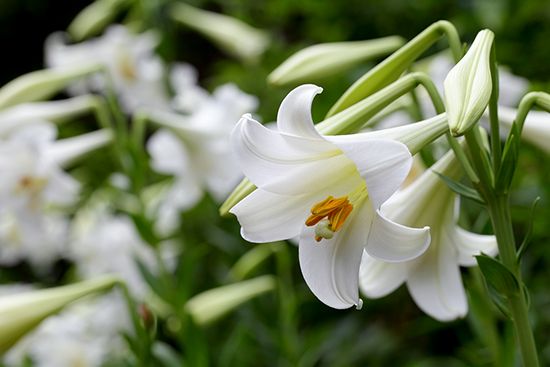
Tepals are undifferentiated structures found in flowers where the sepals and petals are nearly indistinguishable in appearance and color. Instead of having a clear separation between a green calyx and a colored corolla, the perianth consists of these uniform segments. They are commonly found in plants such as lilies and orchids.415
Key Distinctions
- Differentiation: Sepals are distinct from petals in typical flowers, whereas tepals represent a lack of such distinction.43
- Stamen Orientation: Botanists can distinguish between petaloid sepals and true tepals by observing the stamens. In flowers with petaloid sepals (lacking true petals), the first group of stamens aligns with the sepals. In flowers with tepals, the stamens are positioned on alternating radii in the subsequent floral whorl.3
How do botanists use the calyx to identify different plant species?
Botanists rely on the morphological characteristics of the calyx as a primary tool for identifying and classifying flowering plant species. Because the calyx is a consistent, structural component of the flower, its specific features provide reliable diagnostic data.2
Key characteristics used for identification include:
- Degree of Fusion: Botanists observe whether the sepals are free and distinct (aposepalous or polysepalous) or fused together into a tubular structure (synsepalous).2
- Numerical Patterns: The total number of sepals is a critical identifier. This count often correlates with the number of petals in the corolla, either in a one-to-one ratio or in specific multiples.2
- Morphological Variation: The shape, color, and persistence of the calyx are also examined. For instance, some species feature brightly colored, petal-like sepals, while others retain the calyx even after the fruit has matured, such as in tomatoes or eggplants.2
By analyzing these arrangements within the concentric whorls of the flower, botanists can distinguish between various plant families and species.2
What is the role of the corolla in a flower’s structure?
The corolla is the collective term for all the petals of a flower, forming one of the primary whorls of the floral structure. Its roles are essential to the reproductive success of the plant:36
- Pollinator Attraction: The petals are typically brightly colored or white to attract pollinators, such as insects and birds. They often produce fragrances and bear nectaries that secrete sugar-containing compounds to reward these visitors.2
- Structural Symmetry: The corolla defines the flower’s symmetry. Flowers with petals of equal size and shape exhibit radial symmetry (actinomorphic), while those with at least one distinct petal exhibit bilateral symmetry (zygomorphic), which often provides specific landing platforms for pollinators like bees.27
- Protection: Together with the calyx, the corolla forms the perianth, which serves to protect the flower’s internal reproductive organs.6
Sources
- Sepal — Encyclopædia Britannica
- Calyx — Encyclopædia Britannica
- Petal: Top Questions — Encyclopædia Britannica
- Petal — Encyclopædia Britannica
- Asparagales - Flowers — Encyclopædia Britannica
- Angiosperm - The corolla — Encyclopædia Britannica
- Angiosperm - Pollination — Encyclopædia Britannica
Published on · 3 min read