Owyhee River
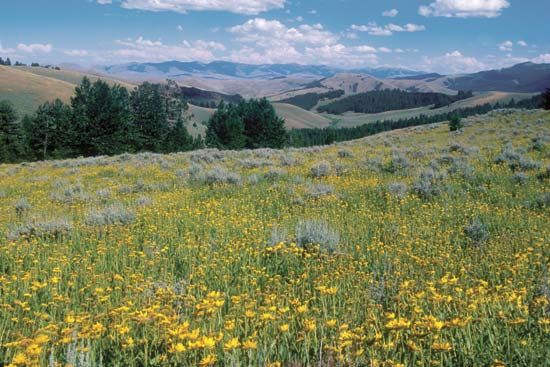
The Owyhee River is a 250-mile (402 km) waterway formed by the junction of several forks in the southwestern corner of Idaho, U.S.
What is Owyhee River?
The Owyhee River is a 250-mile (402 km) waterway formed by the junction of several forks in the southwestern corner of Idaho, U.S.1
The river flows northwest across the Oregon boundary, continuing north through Malheur County before emptying into the Snake River south of Nyssa, Oregon. The Owyhee Dam, completed in 1932, impounds the river to create Lake Owyhee. The name “Owyhee” is an early spelling of Hawaii, chosen to commemorate Hawaiians who were killed near the stream in 1819.1
How does the Owyhee Dam impact the local environment?
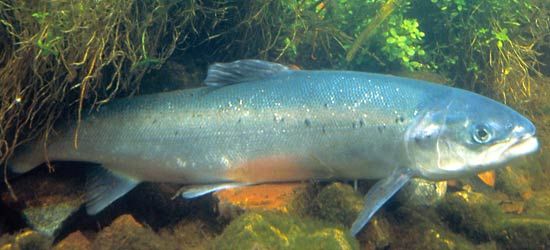
The Owyhee Dam, completed in 1932, impounds the Owyhee River to create Lake Owyhee. While the provided search results do not detail the specific environmental impacts of the Owyhee Dam itself, they highlight that large dams in the Pacific Northwest often have significant effects on local ecosystems, particularly regarding salmon populations.12
Dams can obstruct the migration of adult fish traveling to spawning grounds and young fish moving downstream toward the ocean. To mitigate these effects, engineers often implement fish passes, such as fish ladders or locks, to help aquatic life navigate the barrier. However, as seen with other projects on the Snake River, such structures are not always sufficient to prevent population declines, leading some environmentalists to advocate for dam removal to revitalize native fish habitats.2
We could dive deeper into the general ecological consequences of dam construction or explore specific conservation efforts for migratory fish in the region.
What is the history of the Snake River?
The Snake River has served as a vital geographic and cultural artery in the Pacific Northwest for millennia. Long before European contact, the river basin was home to numerous Native American peoples who relied on its resources.
Exploration and Early Development
In 1805, the Lewis and Clark Expedition navigated the river by canoe after crossing the Bitterroot Range with the assistance of the Nez Percé. Throughout the 19th century, the river became a focal point for fur traders and settlers, eventually seeing the establishment of various forts and trading posts as the region was integrated into broader American economic networks.
Modern Transformation
The 20th century brought significant engineering changes to the river:
- Irrigation and Power: The upper and middle sections of the river were heavily developed for hydroelectric power and irrigation, supporting regional agriculture.
- Infrastructure: A series of dams built in the 1960s and 1970s on the Lower Snake River transformed the waterway, making the port of Lewiston accessible to ocean-going barges.
- Environmental Impact: These dams have been a subject of intense debate due to their impact on salmon populations. Barriers to migration and the loss of natural currents have led to significant population declines, prompting ongoing discussions regarding dam-removal initiatives to restore native ecosystems.
What kind of wildlife lives in the Owyhee Canyonlands?
The Owyhee Canyonlands, located within the high desert ecoregions of Idaho, support a diverse array of wildlife adapted to the sagebrush plains and rugged terrain. While specific data on the canyonlands’ unique micro-habitats is limited, the region is known for hosting significant populations of bird, mammal, reptile, and amphibian species.7
Key wildlife found in the broader southern Idaho landscape, which encompasses the Owyhee region, includes:
- Game Animals: The area provides habitat for mule deer, bighorn sheep, and elk.7
- Upland Birds: Idaho is notable for maintaining large populations of sage grouse and sharp-tailed grouse.7
- Predators: The region serves as part of the range for various predators, including gray wolves, which roam free in parts of the state.7
- Aquatic Life: The rivers and streams throughout the state, including those in the Owyhee region, are recognized for their cold-water fish populations, such as various types of trout.7
Sources
- Owyhee River — Encyclopædia Britannica
- dam - Fish passes — Encyclopædia Britannica
- Columbia River - History — Encyclopædia Britannica
- Snake River — Encyclopædia Britannica
- Salmon River — Encyclopædia Britannica
- Lewis and Clark Expedition - Expedition from May 14, 1804, to October 16, 1805 — Encyclopædia Britannica
- Idaho - Plant and animal life — Encyclopædia Britannica
Published on · 3 min read