Big Wood River
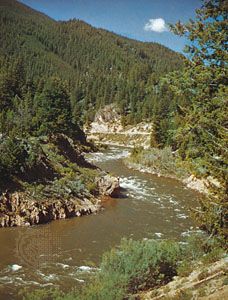
The Big Wood River is a 129-mile (208 km) watercourse located in south-central Idaho, United States. It originates on the southern slopes of the Sawtooth…
What is Big Wood River?
The Big Wood River is a 129-mile (208 km) watercourse located in south-central Idaho, United States1. It originates on the southern slopes of the Sawtooth Range within the Sawtooth National Forest and flows southward through communities such as Sun Valley, Ketchum, and Hailey.1
After passing these towns, the river turns west and eventually joins the Snake River near Gooding. The river basin covers approximately 3,070 square miles (7,951 square km) and is well-regarded for its productive trout streams. Additionally, the river features the Magic Reservoir, which is utilized for irrigation purposes.1
What is the significance of the Sawtooth Range in Idaho?
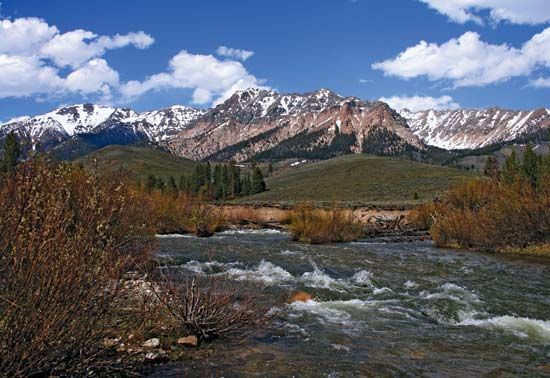
The Sawtooth Range, also known as the Sawtooth Mountains, is a prominent group of mountain ranges located in south-central Idaho. Its significance is defined by several key characteristics:
- Topography: The range is a major feature of the Northern Rocky Mountains, containing numerous peaks that exceed 10,000 feet (3,050 meters) in elevation.13
- Hydrological Importance: The range serves as a vital watershed. It provides the headwaters for several significant watercourses, including the Big Wood River, which flows south to join the Snake River, as well as various forks of the Boise River and the Salmon River.45
- Ecological and Protected Status: Large portions of the range are encompassed within the Sawtooth National Forest and the Sawtooth Wilderness Area. These areas are noted for their diverse wildlife, including elk, wolves, and various trout and salmon species, and are managed to preserve their natural, roadless character.5
How do reservoirs like Magic Reservoir impact local ecosystems?
Reservoirs like the Magic Reservoir serve as essential tools for water management, particularly for irrigation, but they significantly alter local ecosystems through several mechanisms:
- Habitat Alteration: By impounding river water, reservoirs transform flowing river environments into standing water bodies. This change can lead to the destruction of original fish habitats and the displacement of native species that rely on specific flow conditions.6
- Migration Barriers: Dams often obstruct the movement of migratory fish. Without specialized structures like fish passes—such as ladders or locks—fish may be unable to reach spawning grounds, which can lead to dramatic population declines.7
- Sedimentation and Erosion: Reservoirs trap suspended sediment, which reduces the reservoir’s storage capacity over time. Conversely, the water released downstream often lacks this sediment, giving it a higher capacity to erode the stream channel below the dam.6
- Water Quality and Loss: Reservoirs are subject to water loss through evaporation and seepage. Additionally, the altered flow regimes can impact water temperatures and oxygen levels, further influencing the health of aquatic life.6
While reservoirs can sometimes support biodiversity and provide recreational benefits, their construction requires careful planning to mitigate these significant environmental impacts.61
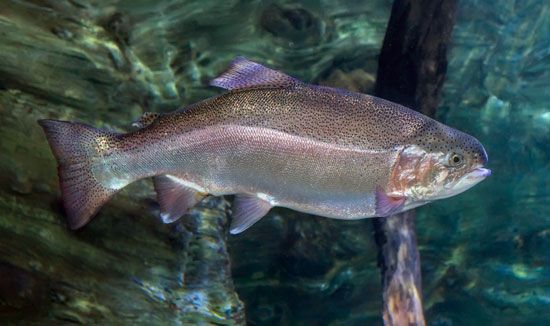
What types of trout are commonly found in Idaho rivers?
Idaho is widely recognized for its cold-water fish populations, particularly its diverse trout species that inhabit the state’s extensive network of rivers and streams.1
Common trout varieties found in Idaho include:
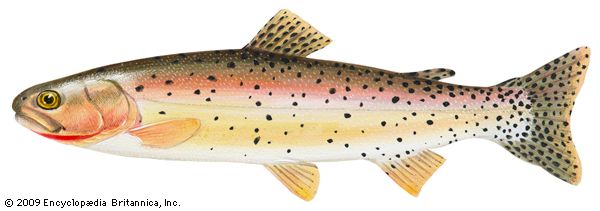
- Cutthroat Trout: A black-spotted game fish native to western North America, identified by the distinctive bright-red streaks beneath its lower jaws. Subspecies such as the Yellowstone trout are among those found in the region.10
- Steelhead: A migratory form of rainbow trout that is highly sought after by anglers in Idaho’s river systems.1
- Kamloops (Kootenai): A large variety of rainbow trout known for its size and strength, frequently found in the state’s productive waters.1
These species thrive in Idaho’s varied ecoregions, ranging from high-elevation alpine streams to the productive waters of rivers like the Big Wood River. The state’s commitment to preserving its wilderness areas ensures that these populations remain a vital part of the local ecosystem.111
Sources
- Big Wood River — Encyclopædia Britannica
- Big Wood — Merriam-Webster
- Sawtooth Mountains — Merriam-Webster
- Boise National Forest — Encyclopædia Britannica
- Idaho - Relief and drainage — Encyclopædia Britannica
- reservoir — Encyclopædia Britannica
- dam - Fish passes — Encyclopædia Britannica
- Origins of agriculture - Irrigation — Encyclopædia Britannica
- water infrastructure in India - Reservoirs — Encyclopædia Britannica
- cutthroat trout — Encyclopædia Britannica
- Idaho - Plant and animal life — Encyclopædia Britannica
Published on · 3 min read