Southern Ocean
The recognition of the Southern Ocean as the world's fifth ocean is not universally standardized, as it depends on one's perspective and the organization in…
How was the Southern Ocean officially recognized as the fifth ocean?
The recognition of the Southern Ocean as the world’s fifth ocean is not universally standardized, as it depends on one’s perspective and the organization in question. While many national governments and the International Hydrographic Organization (IHO) acknowledge its existence as the waters surrounding Antarctica below 60° S latitude, the IHO’s member countries have not reached a consensus on its formal borders.1
A significant milestone in its recognition occurred in June 2021, when the National Geographic Society officially recognized the Southern Ocean as the fifth ocean. This designation is supported by oceanographic and meteorological evidence, specifically the Antarctic Convergence, where the Antarctic Circumpolar Current creates a natural separation between these waters and the rest of the world’s oceans. Despite this, the boundaries of the Southern Ocean remain a subject of debate rather than universal acceptance.1
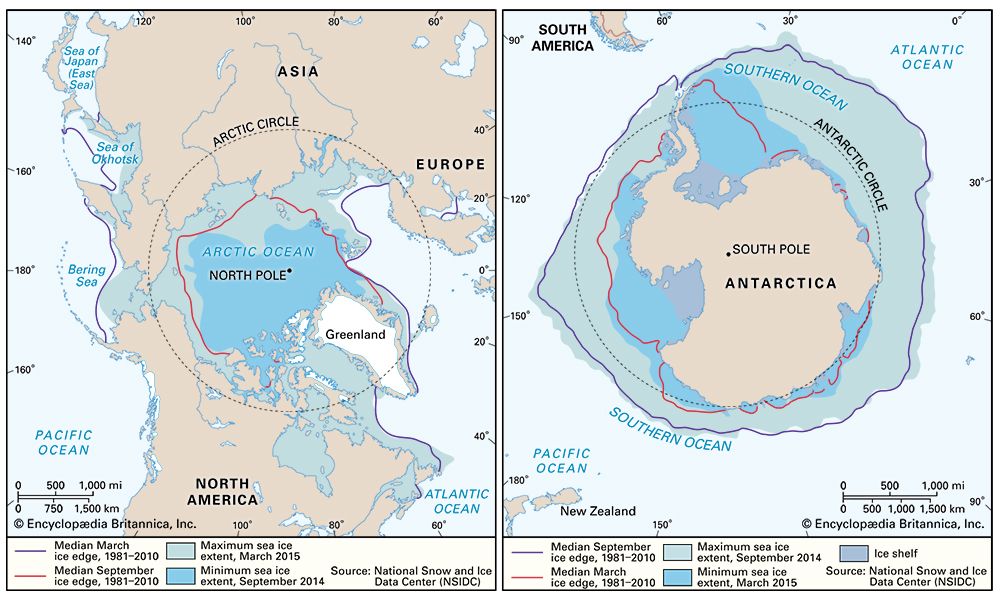
What are the major geographical features of the Southern Ocean?
The Southern Ocean is defined by a complex underwater topography and distinct hydrological boundaries. Its physical structure is characterized by several key features:
Seafloor Topography
- Continental Shelf: Typically less than 160 miles wide, it expands significantly to over 1,600 miles near the Weddell and Ross seas.3
- Oceanic Basins and Rises: The ocean floor contains deep basins reaching up to 14,800 feet, often defined by oceanic rises and abyssal hills.3
- Trenches: It features narrow, high-relief trenches, most notably the South Sandwich Trench, which contains the ocean’s maximum depth of 24,383 feet.3
- Oceanic Plateaus: These flat, elevated regions rise from the basins to depths of less than 6,650 feet and are frequently covered in thick sedimentary deposits.3
Hydrological and Boundary Features
- Antarctic Convergence: A critical transition zone where cold, dense surface waters sink and flow northward, creating a major biological and physical boundary.23
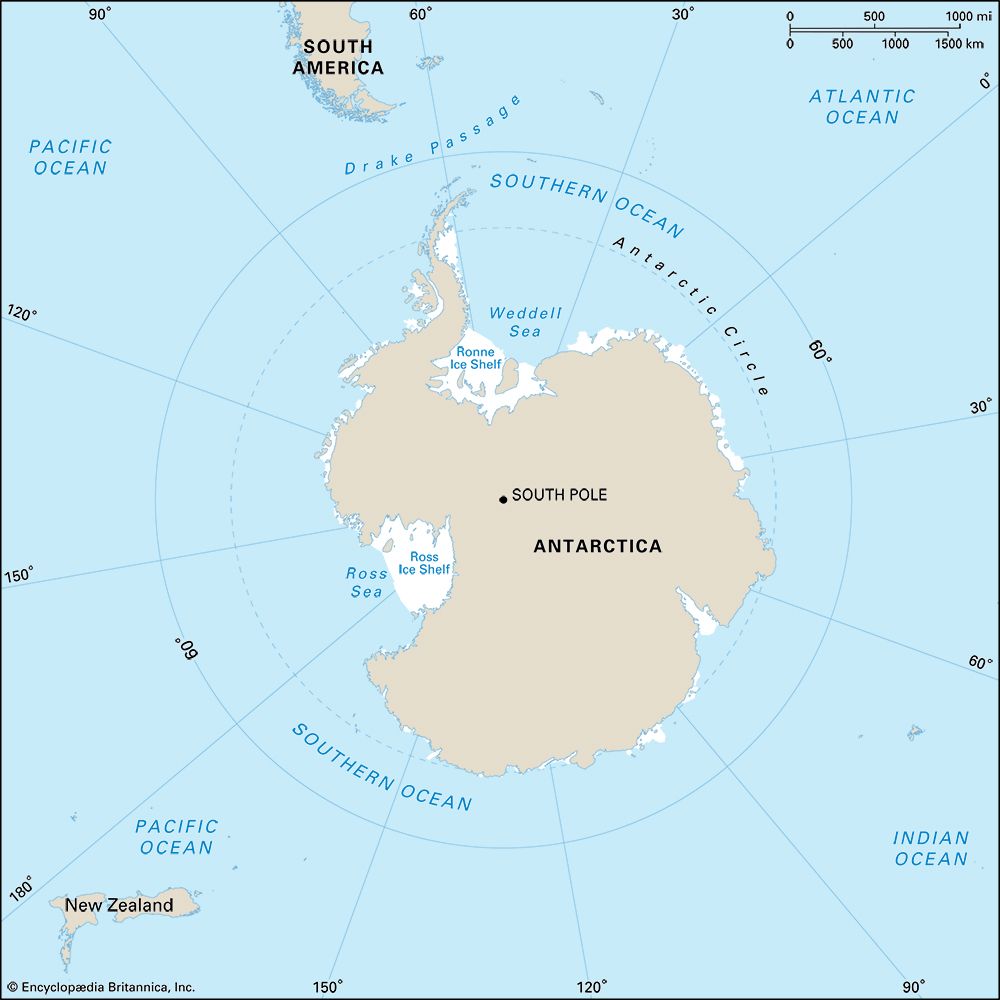
- Drake Passage: The narrowest constriction of the ocean, located between South America and the Antarctic Peninsula America and the Antarctic Peninsula.2
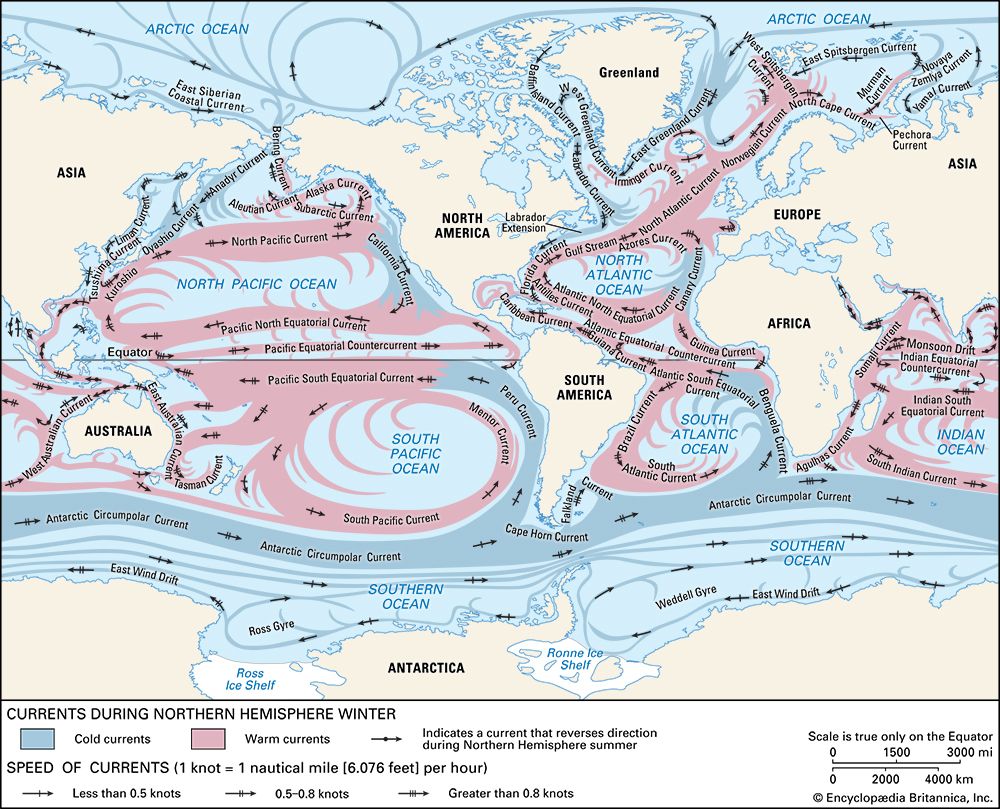
- Antarctic Circumpolar Current: A powerful, wind-driven current that encircles Antarctica, separating the Southern Ocean from the Atlantic, Pacific, and Indian oceans.4
How does the Antarctic Circumpolar Current affect global ocean circulation?
The Antarctic Circumpolar Current (ACC) plays a fundamental role in global ocean circulation by acting as a primary link between the world’s major oceans. By encircling Antarctica in a deep, continuous belt, it facilitates the exchange of water masses across the Atlantic, Pacific, and Indian oceans, effectively diminishing the differences between them.47
Its influence on global circulation includes:
- Upwelling and Water Mass Conversion: The ACC’s dynamics lift dense, deep water to the surface south of the current. Once exposed to cold Antarctic air, this water is converted into Antarctic Bottom Water and Antarctic Intermediate Water, which then spread globally.8
- Thermohaline Integration: The current serves as a critical pathway for the thermohaline circulation. It receives North Atlantic Deep Water and helps distribute it into the Indian and Pacific oceans, while also providing the upwelling necessary to replenish the upper-layer water that flows back into the Atlantic.8
- Heat and Nutrient Transport: Through the development of large meanders and eddies, the ACC induces a poleward transfer of heat, helping to balance oceanic heat loss. It also plays a key role in the global transport of nutrients and other materials.49
What is the Southern Ocean and where is it located?
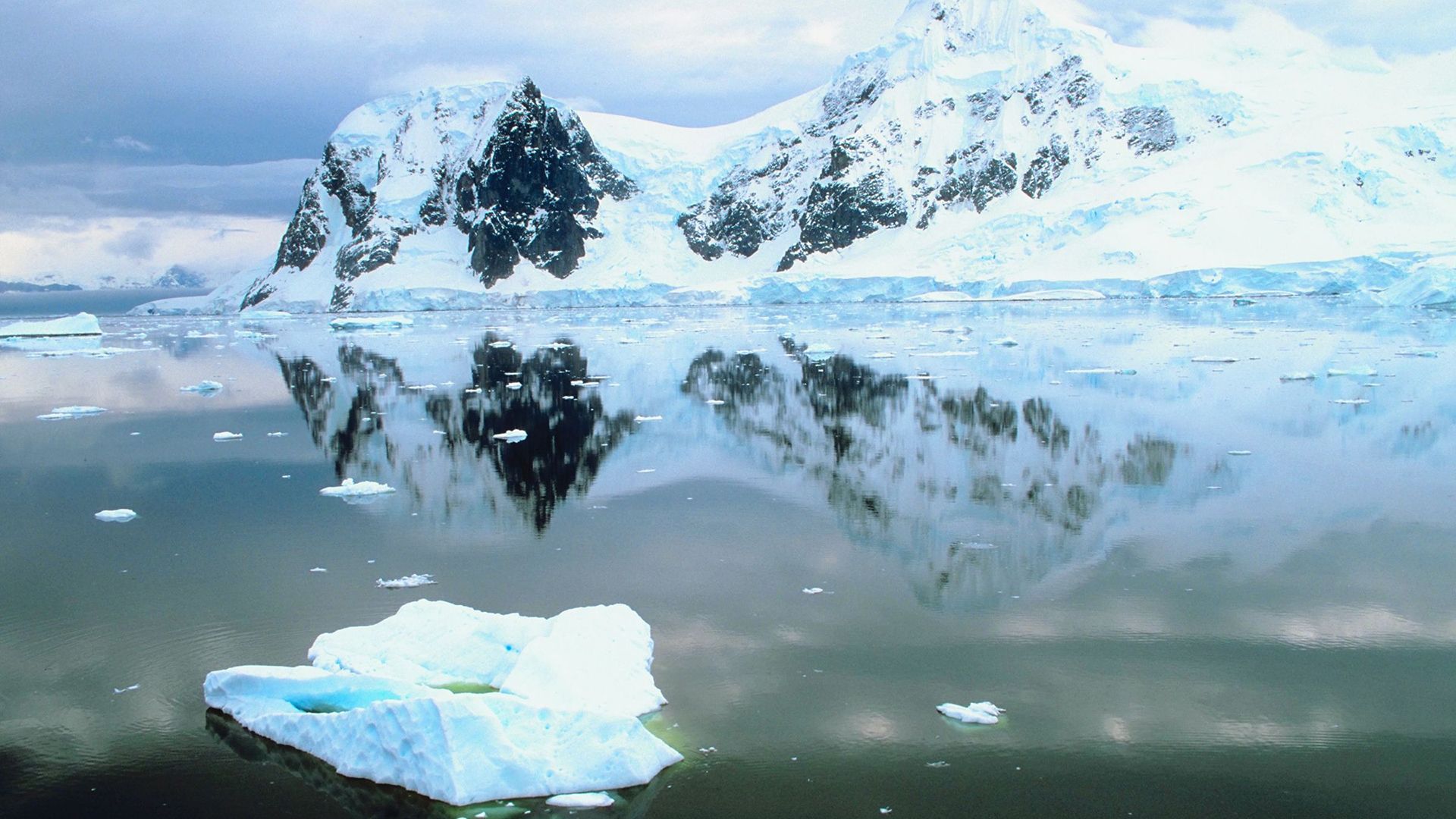
The Southern Ocean, also known as the Antarctic Ocean, is the body of salt water that encircles the continent of Antarctica.
It is defined as the portions of the world ocean located south of 60° S latitude, encompassing the southern reaches of the Pacific, Atlantic, and Indian oceans. Unlike other oceans, it is not broken by any continental landmass, forming a continuous belt around the South Pole. Its narrowest point is the Drake Passage, which separates the Antarctic Peninsula from South America.10211
The ocean is characterized by its unique physical and biological properties, including the Antarctic Convergence, a boundary where cold polar waters meet warmer subtropical waters. It is a vital component of the global climate system, hosting complex current systems and serving as a rich habitat for diverse marine life, including krill, which forms the foundation of the local food chain.1110
Sources
- Just How Many Oceans Are There? — Encyclopædia Britannica
- Southern Ocean — Encyclopædia Britannica
- Antarctic Convergence — Encyclopædia Britannica
- Antarctic Circumpolar Current — Encyclopædia Britannica
- Amery Ice Shelf — Encyclopædia Britannica
- South Shetland Islands — Encyclopædia Britannica
- ocean current - Thermohaline circulation — Encyclopædia Britannica
- ocean current - The Antarctic Circumpolar Current — Encyclopædia Britannica
- thermohaline circulation — Encyclopædia Britannica
- Antarctica — Encyclopædia Britannica
- Southern Ocean — Merriam-Webster
- Ross Sea — Encyclopædia Britannica
Published on · 4 min read