Sumac
Sumac plants, belonging to the genus Rhus, are characterized by several distinct botanical features, though it is important to distinguish them from the…
What are the distinctive features of sumac leaves, flowers, and fruits?
Sumac plants, belonging to the genus Rhus, are characterized by several distinct botanical features, though it is important to distinguish them from the toxic Toxicodendron vernix (poison sumac).12
Leaves
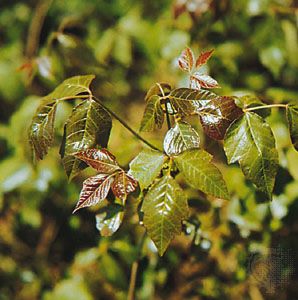
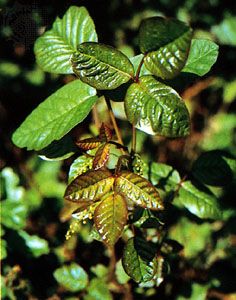
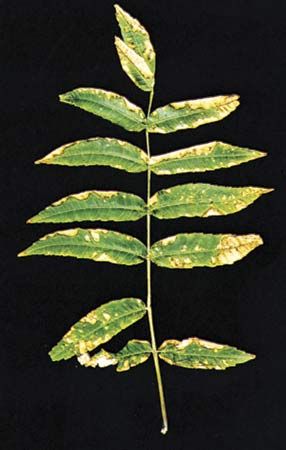
Sumac leaves are typically arranged in spirals and are usually compound, though some species feature simple leaves. Varieties like the smooth sumac may have dissected, fernlike foliage, while the fragrant sumac possesses three-parted leaves that are scented when bruised. In contrast, poison sumac leaves consist of 7–13 oval leaflets with smooth margins that transition from bright orange when young to a glossy green.12
Flowers
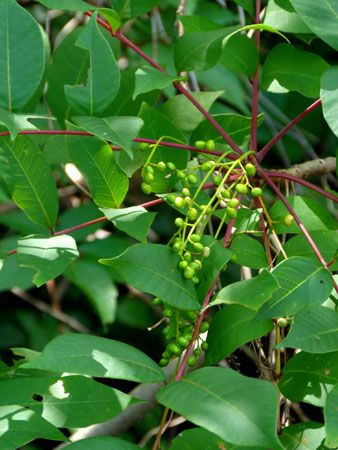
The flowers of true sumacs are minute, possess five petals, and are borne in dense panicles or spikes. Poison sumac flowers differ significantly, appearing as small yellow-green blooms arranged in loose, hanging clusters that emerge from the leaf axils.12
Fruits
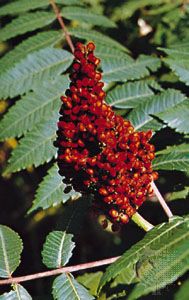
True sumacs are known for their red drupes that grow in dense, upright clusters1. Conversely, poison sumac produces whitish, waxy drupes that hang loosely from their stalks, a key identifying feature to distinguish them from the non-toxic varieties.2
Are there any toxic or poisonous species of sumac, and how can they be identified?
Yes, there is a toxic species known as poison sumac (Toxicodendron vernix). While it was formerly classified in the genus Rhus alongside true sumacs, it is now placed in the genus Toxicodendron and is considered more allergenic than poison ivy or poison oak.23
You can identify poison sumac by the following features:
- Habitat: It is typically found in swampy, acidic soils in eastern North America.23
- Leaves: The compound leaves consist of 7–13 oval leaflets with smooth margins. They often appear bright orange when young, maturing to a glossy green.2
- Flowers: It produces small yellow-green flowers in loose, hanging clusters that emerge from the leaf axils.2
- Fruit: Unlike the upright, fuzzy red fruit clusters of true sumacs, poison sumac features whitish, waxy drupes that droop loosely from their stalks.2
- Sap: The plant contains urushiol, an irritating oil that causes severe contact dermatitis. Its clear sap turns black upon exposure to air.23
What role do sumac plants play in their native ecosystems?
Sumac plants (genus Rhus) serve several important functions within their native temperate and subtropical ecosystems. Because of their growth habits and root structures, they are frequently utilized as effective soil binders and cover plants, helping to stabilize terrain and prevent erosion.1
Beyond their role in soil conservation, sumacs contribute to the structural diversity of their habitats. Many species are capable of spreading asexually through rhizomes, which allows them to form dense thickets that provide cover and habitat for various wildlife. While the provided information focuses on their botanical characteristics and human utility—such as their historical use for dyes, medicine, and as a spice—these dense growth patterns are fundamental to their ecological presence in the landscape.1
It is important to note that while true sumacs are valuable in these roles, the poison sumac (Toxicodendron vernix) occupies a different ecological niche, typically thriving in swampy, acidic soils of eastern North America.12
What are some common landscaping uses for sumac plants?
Sumac plants (genus Rhus) are popular in landscaping due to their aesthetic appeal and functional versatility. Gardeners and landscape designers often select them for their graceful growth habits, vibrant fall foliage, and striking fruit clusters.1
Common landscaping uses include:
- Ornamental Features: Many species are prized for their visual interest. For example, the staghorn sumac (R. typhina) is valued for its orange-red to purple autumn colors, while the shining sumac (R. copallinum) is grown for its glossy leaves and showy red fruit.1
- Ground Cover and Erosion Control: Because sumacs can spread via rhizomes, they are excellent for stabilizing soil and acting as effective cover plants on slopes or banks.1
- Low-Growing Borders: The fragrant sumac (R. aromatica) is particularly useful in landscaping as it forms a dense, low-growing shrub that can serve as a natural border or hedge.1
- Specialized Varieties: Cultivated varieties with finely cut or fernlike leaves are often chosen to add unique texture to garden designs.1
When selecting plants, it is essential to distinguish these ornamental Rhus species from poison sumac, which is toxic and should not be used in residential landscaping.1
Sources
- sumac — Encyclopædia Britannica
- poison sumac — Encyclopædia Britannica
- poison sumac — Merriam-Webster
Published on · 3 min read