Sumba
Sumba is an island located in the Lesser Sunda Islands of southern Indonesia, situated in the Indian Ocean. It is distinct from the island of Sumbawa, which…
What is Sumba?
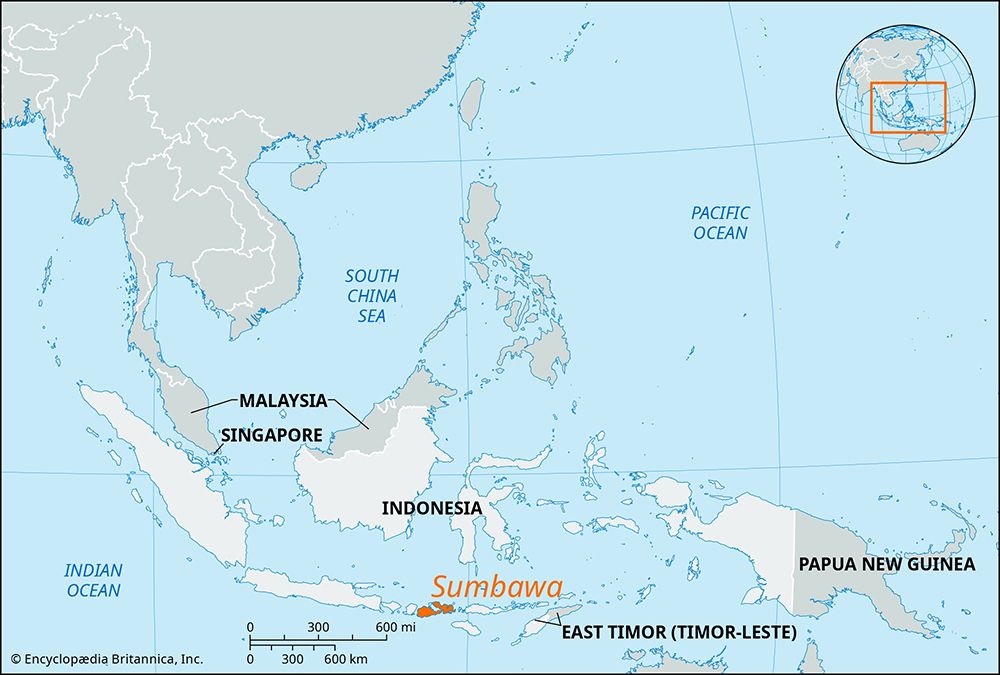
Sumba is an island located in the Lesser Sunda Islands of southern Indonesia, situated in the Indian Ocean. It is distinct from the island of Sumbawa, which is a separate landmass located to the west in the West Nusa Tenggara province.12
Covering an area of 4,306 square miles (11,153 square km), Sumba is characterized by mountainous terrain reaching up to 4,000 feet, though it notably lacks volcanoes. The island’s landscape features light forests and extensive grasslands, which support the breeding of Sandalwood horses and Ongole cattle. Economically, the island relies on agriculture, with corn as the primary crop, alongside rice, coffee, and tobacco. Sumba is also culturally renowned for its distinctive woven cloth designs.1
The island’s population is primarily animist, with smaller Christian and Muslim communities. The chief town and port is Waingapu on the northern coast, while Waikabubak serves as the administrative center for the western region.1
What are the traditional weaving techniques used in Sumba?
Sumba is renowned for its highly developed weaving traditions, which are central to the island’s cultural identity. The most prominent technique used on the island is ikat, a sophisticated method of resist-dyeing3.
In the Sumba ikat process, threads are selectively dyed before they are placed on the loom. Artisans tightly bind fibers around specific groups of threads to prevent them from absorbing color when dipped into a dyebath. This process can be repeated multiple times to achieve different colors. Because the threads are patterned prior to being woven, the designs emerge as the fabric is constructed.34
On Sumba, this technique is primarily applied to the warp—the foundation threads that run lengthwise on the loom. The resulting textiles are characterized by static, rectilinear designs, often featuring geometric figures such as rhombuses, squares, and triangles, as well as stylized representations of animals and human beings. These patterns are highly distinctive and serve to identify the specific region where the cloth was produced.34
How does the geography of Sumba differ from other Indonesian islands?
Sumba is geographically distinct from many other Indonesian islands primarily due to its lack of volcanoes, a feature that sets it apart from the volcanic “spine” that characterizes much of the Lesser Sunda Islands chain, such as Sumbawa and Flores.15
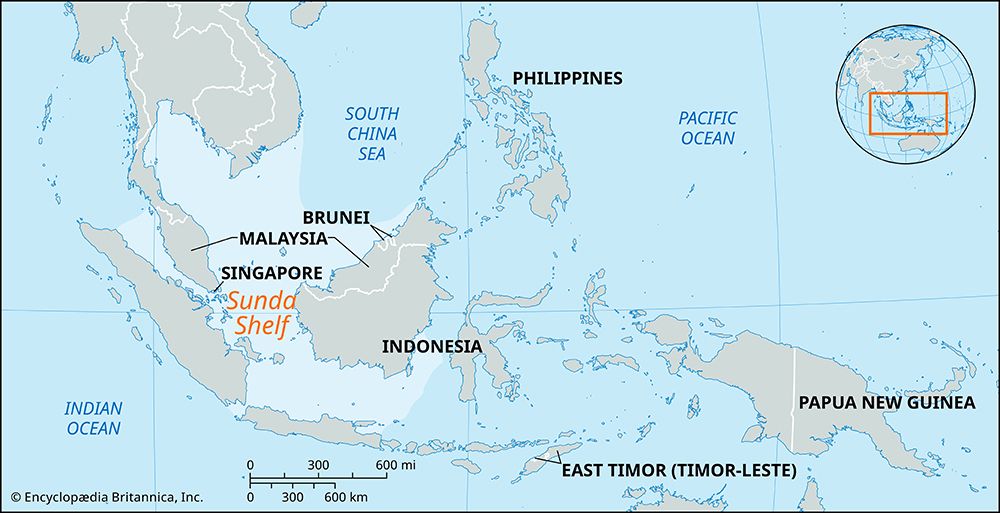
While many islands in the region are geologically unstable and volcanically active, Sumba belongs to an outer, nonvolcanic fringe of islands. This formation is similar to the chain of nonvolcanic islands found off the western edge of the Sunda Shelf near Sumatra, such as Nias and the Mentawai group.56
Physically, Sumba features a mountainous interior reaching up to 4,000 feet (1,220 meters), but its landscape is dominated by light forests and extensive grasslands rather than the dense, swampy forests or active volcanic cones found on larger islands like Java or Borneo.15
What are the unique characteristics of the Sandalwood horse?
The Sandalwood horse is a fine breed of horse native to the island of Sumba in Indonesia. The breed is particularly well-adapted to the island’s environment, thriving in the extensive grasslands that cover much of the region.1
While the name of the breed is derived from the island’s historical association with the sandalwood tree—a valuable resource that once attracted significant international attention—the horses themselves are a distinct agricultural asset. They are most commonly found in the eastern part of the island, where they are raised alongside Ongole cattle.1
Sources
- Sumba — Encyclopædia Britannica
- Sumbawa — Encyclopædia Britannica
- Indonesia - Visual arts — Encyclopædia Britannica
- Southeast Asian arts - Textiles — Encyclopædia Britannica
- Indonesia - Islands of the Sunda Shelf — Encyclopædia Britannica
- Sunda Islands — Encyclopædia Britannica
- Sandalwood — Encyclopædia Britannica
Published on · 3 min read