Tropic Bird
Tropic birds have evolved several specialized adaptations to thrive in their marine environment, particularly regarding their breeding and nesting habits.
How do tropic birds adapt to their marine environment for breeding and nesting?
Tropic birds have evolved several specialized adaptations to thrive in their marine environment, particularly regarding their breeding and nesting habits.
Nesting and Breeding
Tropic birds typically nest in isolated island colonies, often choosing holes, crevices in cliffs, or sheltered spots under rocks and bushes. Unlike many other seabirds, they do not build nests with collected materials; instead, they may use their bills or feet to enlarge existing cavities. Because safe nesting sites are often scarce, competition for these locations can be intense. They lay a single, grayish-speckled egg, which is incubated by both parents for approximately one month.1234
Physiological and Behavioral Adaptations
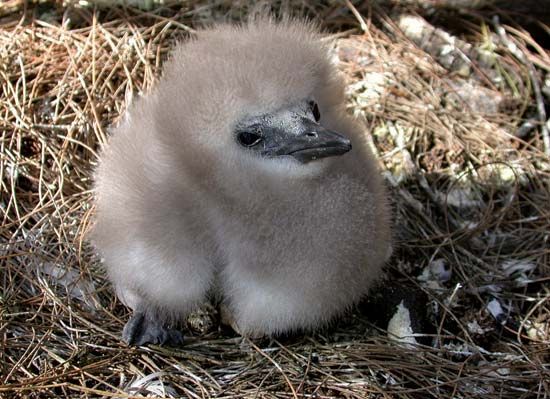
- Temperature Regulation: To survive in tropical climates, young tropic birds are born with thick down, allowing them to regulate their body temperature by panting even when left alone shortly after hatching. Unlike other related seabirds, they lack a naked throat pouch and do not use throat-fluttering for cooling.54
- Salt Excretion: Because they consume marine prey and potentially seawater, tropic birds possess specialized lateral nasal glands that excrete excess salt, which then drips or is shaken from the bill.5
- Diving Protection: As birds that plunge into the water to catch fish and squid, they have a system of air sacs under the skin that acts as a protective, spongy mattress against the impact of hitting the water.67
How many species of tropic birds exist, and what are their names?
There are three species of tropic birds, which constitute the family Phaethontidae.
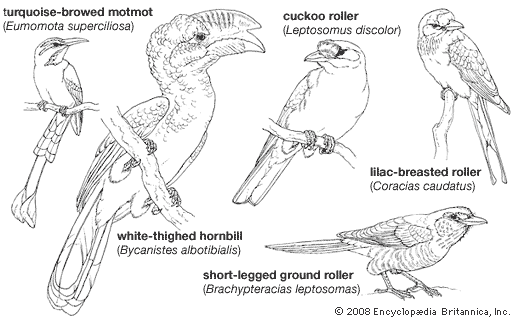
While your query mentions “tropic birds,” it is important to distinguish them from toucans, which are a separate family of tropical forest birds and should not be confused with the marine-dwelling tropic birds.12
The three species of tropic birds are:
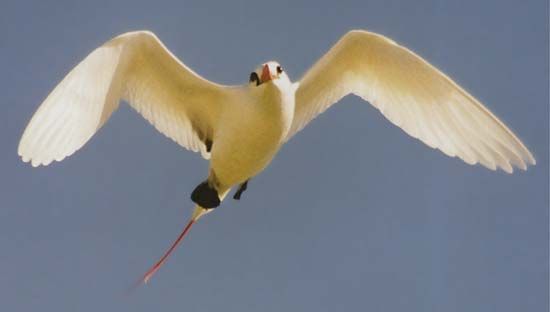
- Red-tailed tropic bird (Phaethon rubricauda): The largest of the three species, found in the Indian and Pacific oceans.1
- Red-billed tropic bird (Phaethon aethereus)
- White-tailed tropic bird (Phaethon lepturus)
These birds are characterized by their satiny white plumage and long, streaming central tail feathers.1
In which regions of the world can tropic birds typically be found?
Tropic birds are essentially confined to the tropics, where they are highly pelagic, meaning they spend much of their time flying over the open ocean. They are frequently observed in even the most unproductive central regions of tropical seas.1
While their distribution is centered in these warm maritime zones, specific species have broader ranges across major oceans. For instance, the red-tailed tropic bird is found throughout the Indian and Pacific oceans. Because they are seabirds that nest in island colonies, their presence is tied to the availability of suitable nesting sites, such as cliffs, where they can raise their young.91
What is the typical diet of tropic birds, and how do they hunt for their food?
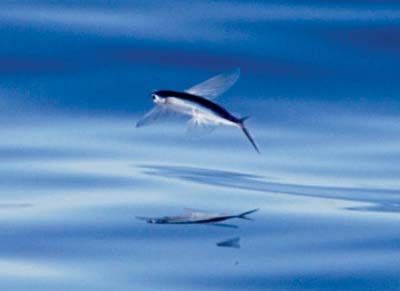
Tropic birds primarily consume flying fish and squid of the family Ommastrephidae.6
To capture their prey, these birds utilize a specialized hunting method known as plunge-diving. They are powerful flyers capable of hovering in the air to locate prey near the water’s surface. Once a target is identified, they dive from the air at high speeds, relying on the momentum of the plunge to reach their prey underwater. While they are buoyant swimmers, their feet are not streamlined for fast swimming; instead, they use their webbed feet primarily for steering while submerged.6
Sources
- Tropic bird — Encyclopædia Britannica
- Pelecaniform - Reproduction — Encyclopædia Britannica
- Pelecaniform - Distinguishing characteristics — Encyclopædia Britannica
- Pelecaniform - Physiological adaptations — Encyclopædia Britannica
- Pelecaniform - Nests, eggs, and young — Encyclopædia Britannica
- Pelecaniform - Feeding ecology — Encyclopædia Britannica
- Pelecaniform - Courtship behaviour — Encyclopædia Britannica
- Toucan — Encyclopædia Britannica
- red-tailed tropic bird — Merriam-Webster
- Pelecaniform - Distribution and abundance — Encyclopædia Britannica
- Migration - In intertropical regions — Encyclopædia Britannica
- Migration - Origin and evolution of migration — Encyclopædia Britannica
Published on · 3 min read