Turtledove
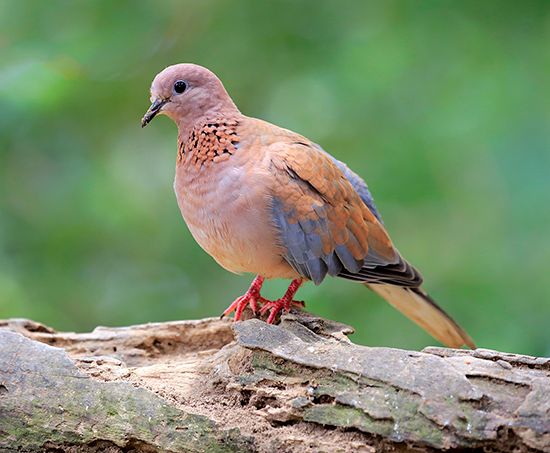
The turtledove (Streptopelia turtur) is a bird belonging to the pigeon family, Columbidae, and is not related to shelled reptiles. The name "turtledove" is…
How do turtledoves build their nests and care for their young?
The turtledove (Streptopelia turtur) is a bird belonging to the pigeon family, Columbidae, and is not related to shelled reptiles. The name “turtledove” is derived from the sound of its call rather than any association with turtles.1
The provided search results do not contain specific information regarding the nesting habits or parental care behaviors of the turtledove. While the search results provide extensive details on the nesting and reproductive behaviors of various reptiles, such as turtles, these are distinct from the avian behaviors of the turtledove.123
Where are turtledoves typically found in the wild?
The turtledove (Streptopelia turtur) is native to Europe and North Africa, where it is known as a migratory species that winters in northern Africa.1
More broadly, the various species within the genus Streptopelia—often referred to as turtledoves—are found throughout the temperate and tropical regions of the Old World. Additionally, certain variants have established populations outside their native ranges:14
- Ringed turtledoves: These domestic variants have developed feral populations in parts of the New World, specifically in California and Florida.1
- Introduced species: Other members of the genus, such as the laughing dove and the spotted dove, have been introduced to regions beyond their original native habitats.1
What are the different species of turtledoves?
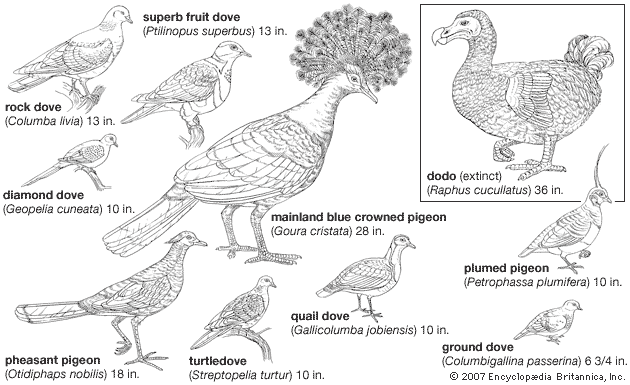
The term “turtledove” primarily refers to the European and North African bird Streptopelia turtur, which is the namesake of its genus. However, the name is commonly applied to several other species within the genus Streptopelia.1
These slim-bodied, fast-flying birds are found throughout the temperate and tropical regions of the Old World. Notable species and variants include:1
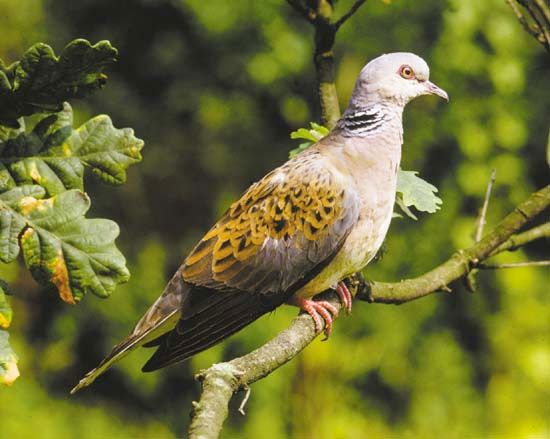
- European Turtledove (S. turtur): The namesake species, characterized by a reddish-brown body, blue-gray head, and white-tipped tail.1
- Collared Dove (S. decaocto): A common member of the genus.1
- Ring-necked Dove (S. capicola): Another species frequently referred to as a turtledove.1
- Ringed Turtledove (S. risoria): Often considered a domestic variant of S. turtur, this bird has established feral populations in parts of the New World, such as California and Florida.1
- Laughing Dove (S. senegalensis): A species that has been introduced to various regions outside its native habitat.1
- Spotted Dove (S. chinensis): Also known to have been introduced beyond its original range.1
What are the distinctive physical characteristics of turtledoves?
Turtledoves, members of the pigeon family, are generally recognized as slim-bodied, fast-flying birds. While characteristics vary across the genus Streptopelia, the namesake European turtledove (Streptopelia turtur) is approximately 28 cm (11 inches) long and features a reddish-brown body, a blue-gray head, and a tail marked with a white tip.1
Other species within the genus exhibit their own distinct physical traits:
- Collared Doves (S. decaocto): These are large, slender, pale gray birds distinguished by a square tail and a characteristic black band on the nape of the neck. Their primary wing feathers are dark brown, which can be observed both in flight and while the bird is at rest.5
- Ringed Turtledoves (S. risoria): Often considered a domestic variant, these birds are physically similar to other turtledoves but are noted for having tan primary wing feathers, which helps distinguish them from the collared dove.5
The name “turtle” in their common name is derived from the sound of the bird’s call rather than any physical association with shelled reptiles.1
Sources
- Turtledove — Encyclopædia Britannica
- reptile - Embryonic development and parental care — Encyclopædia Britannica
- turtle - Nesting and egg laying — Encyclopædia Britannica
- turtledove — Merriam-Webster
- collared dove — Merriam-Webster
Published on · 3 min read