Virunga Mountains
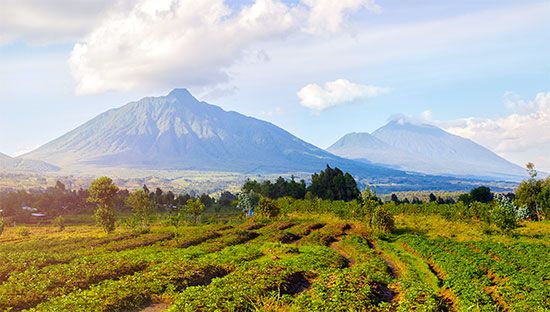
The Virunga Mountains contribute to the region's unique biodiversity primarily through their significant altitudinal variation and diverse range of habitats.…
How do the Virunga Mountains contribute to the unique biodiversity of the region?
The Virunga Mountains contribute to the region’s unique biodiversity primarily through their significant altitudinal variation and diverse range of habitats. These volcanic peaks are clothed in cloud forests and extend into the Afro-Alpine zone, creating specialized environments that support distinct plant and animal life.12
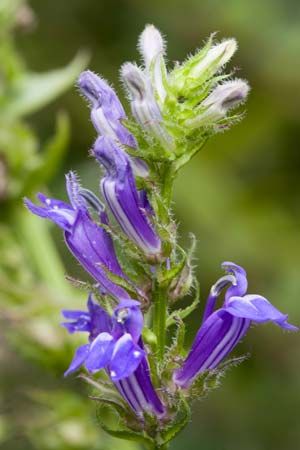
The mountains serve as a refuge for cold-loving plants that retreated to higher elevations following the Pleistocene Epoch. This has resulted in a unique, isolated flora characterized by phenomena such as giantism, including species like giant lobelia and tree groundsel, including species like giant lobelia and tree groundsel.3
Furthermore, the range provides critical habitat for rare and endangered wildlife, most notably the mountain gorilla and the golden monkey. The integration of these mountains into protected areas like Virunga National Park helps preserve this ecological richness, which encompasses everything from tropical rainforests and bamboo forests to high-altitude alpine vegetation.314
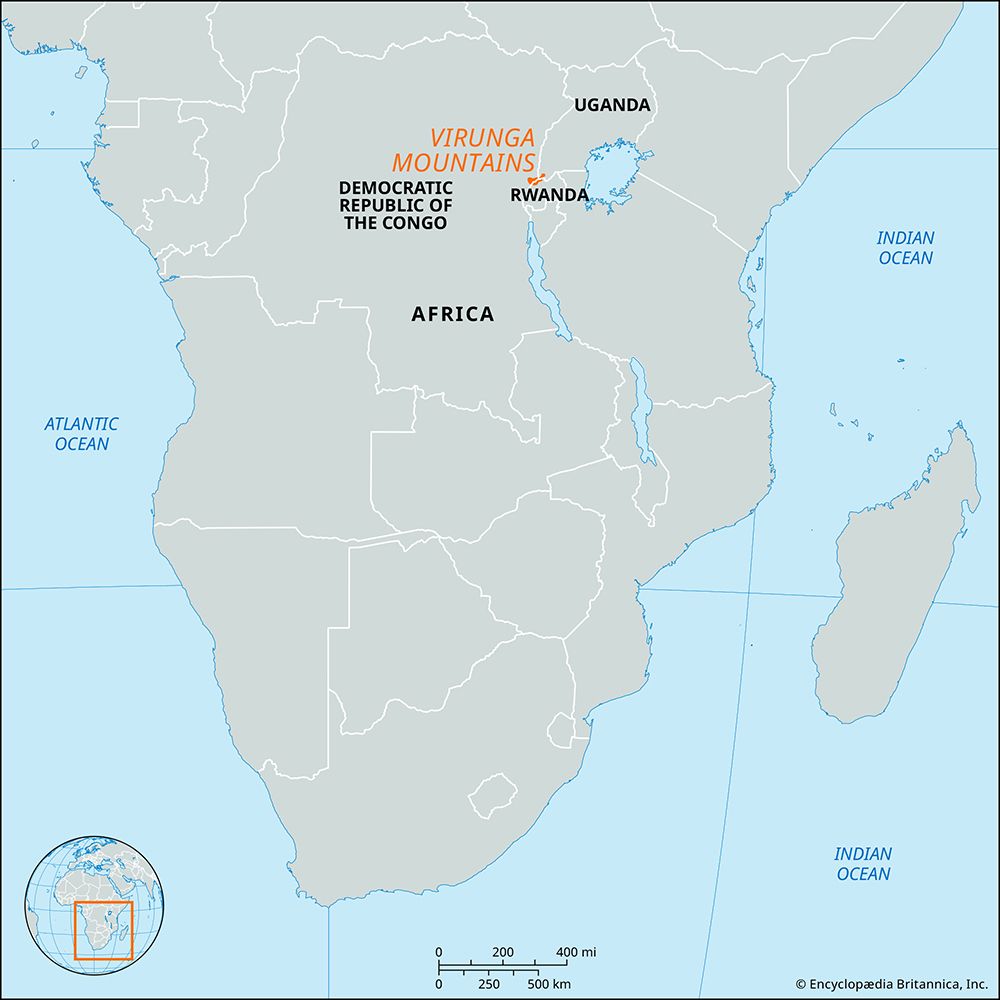
Where are the Virunga Mountains located in Africa, and which countries do they span?
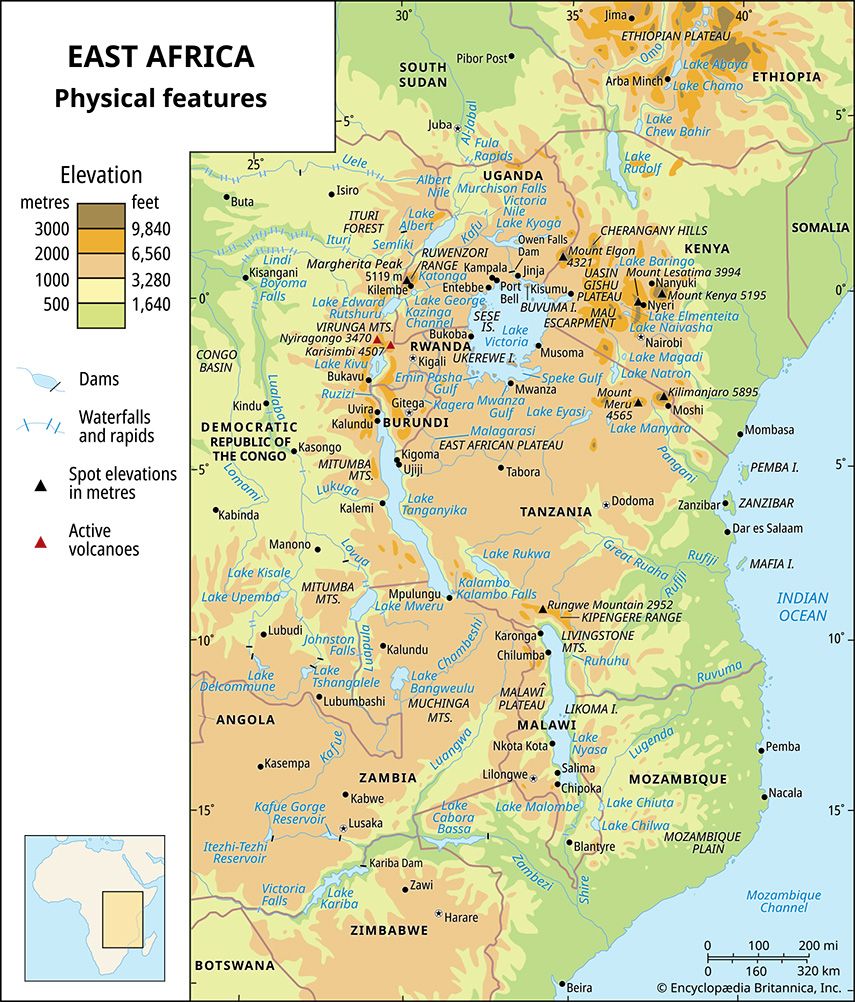
The Virunga Mountains are a volcanic range located in east-central Africa, situated just north of Lake Kivu.1
The range extends approximately 50 miles (80 km) and spans the contiguous borders of three countries:
The mountains run in an east-west direction, positioned perpendicularly to the rift valley that contains Lakes Kivu and Edward. Because of their location, they serve as a significant continental divide, separating the drainage basins of the Nile and Congo rivers.12
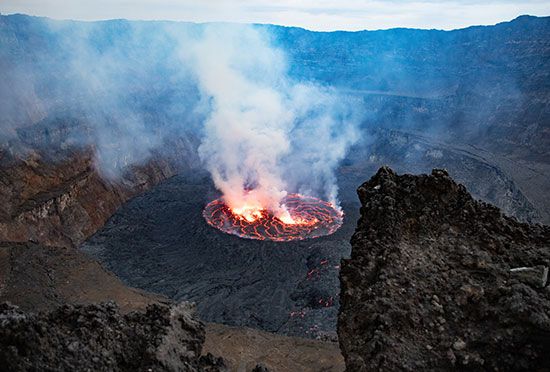
How have the Virunga Mountains and surrounding areas been affected by conservation efforts and human activities?
The Virunga Mountains and their surrounding regions face a complex interplay between conservation efforts and human activity. The area is home to critical protected zones, including the Democratic Republic of the Congo’s Virunga National Park, Rwanda’s Volcanoes National Park, and Uganda’s Gorilla National Park. These areas are vital for preserving alpine vegetation and endangered species, such as the mountain gorilla and the golden monkey.1
However, the region is characterized by densely populated plateaus where human activity significantly impacts the environment. Since the late 20th century, the local population has increased considerably, leading to challenges such as deforestation and poaching. The influx of refugees fleeing conflict in neighboring Rwanda and the growth of permanent settlements within protected boundaries have disrupted natural animal migration patterns.12
These pressures led UNESCO to place Virunga National Park on the List of World Heritage in Danger in 1994. Furthermore, ongoing security issues, including threats to park rangers and tourists, have periodically forced the closure of these areas to the public.2
What role do the Virunga Mountains play in the local climate and water systems of central Africa?
The Virunga Mountains serve as a critical geographical feature in central Africa, playing a significant role in the region’s hydrology and climate.
Hydrological Significance
The range acts as a major continental divide, separating the drainage basins of the Nile River and the Congo River. By sitting between Lake Edward and Lake Kivu, the mountains effectively partition these two distinct water systems. This positioning makes them the only mountain range in East Africa to form a divide of such continental stature.17
Climate and Environment
The mountains influence the local climate through their significant elevation, with peaks such as Karisimbi reaching 14,787 feet (4,507 meters). These high altitudes support unique ecosystems, including cloud forests that thrive in the moisture-rich environment. The presence of these volcanic peaks creates varied microclimates; for instance, the surrounding region experiences extreme rainfall gradients, ranging from relatively arid areas near lake shores to high-precipitation zones on mountain slopes.82
Sources
- Virunga Mountains — Encyclopædia Britannica
- Virunga National Park — Encyclopædia Britannica
- East African mountains - Plant life — Encyclopædia Britannica
- Goma: Top Questions — Encyclopædia Britannica
- East African mountains — Encyclopædia Britannica
- Mount Nyamulagira — Encyclopædia Britannica
- East African mountains - Drainage of the East African mountains — Encyclopædia Britannica
- East African lakes - Physiography — Encyclopædia Britannica
Published on · 3 min read