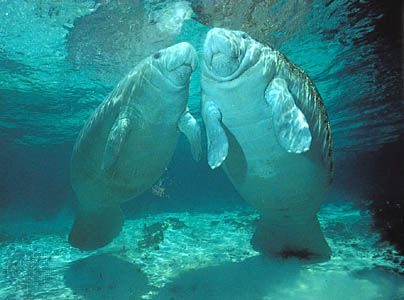
Why Is It Illegal to Touch a Manatee?
It is illegal to touch a manatee in the United States because such interactions are considered harassment under the Endangered Species Act and the Marine…
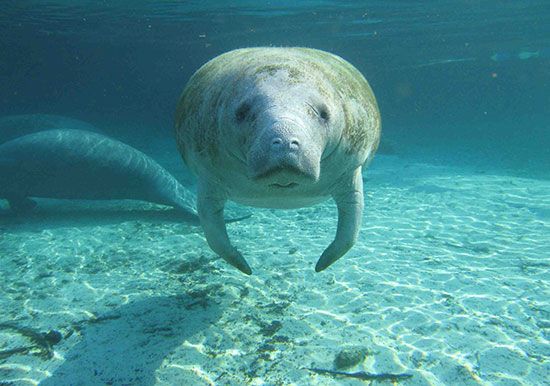
Why is it illegal to touch a manatee?
It is illegal to touch a manatee in the United States because such interactions are considered harassment under the Endangered Species Act and the Marine Mammal Protection Act.1
Harassment is defined as any action that disturbs or alters the natural behaviors of these animals, including feeding, mating, and migration. When humans touch or interact with manatees, the animals may become accustomed to people, which significantly increases their risk of injury from boats—a leading cause of manatee mortality. Because Florida manatees are a threatened species, protecting them from human-induced stress and habitat-related dangers is essential for their conservation and long-term survival. Maintaining a safe distance is a vital ethical responsibility to ensure these animals remain wild and safe from human-related accidents.1
What is the difference between an endangered and a threatened species?
Under the Endangered Species Act, the primary difference between endangered and threatened species lies in the immediacy and severity of their risk of extinction.
- Endangered Species: These are organisms that are currently at risk of extinction throughout all or a significant portion of their range, often due to a sudden, rapid decrease in population or the loss of critical habitat.34
- Threatened Species: These are species that are likely to become endangered in the foreseeable future throughout all or a significant portion of their range.3
While both categories are protected under federal law to ensure their survival and recovery, these classifications allow authorities to apply appropriate management strategies based on the level of risk. Categorization systems, such as those used by the U.S. Fish and Wildlife Service or the IUCN Red List of Threatened Species, rely on specific criteria to determine which status a species receives.34
How do boat collisions impact the manatee population?
Boat collisions represent a primary threat to manatee populations, serving as a leading cause of mortality in Florida. These accidents, involving motorboats and their propellers, are estimated to account for approximately 25 to 35 percent of all Florida manatee deaths.167
The impact of these collisions is widespread among the surviving population. Research indicates that roughly 80 to 96 percent of living manatees bear scars from boat injuries, with many individuals having been struck multiple times. Because manatees have slow reproductive rates, their populations struggle to recover from these consistent losses.176
To mitigate this danger, conservation efforts have included the implementation of boat speed limits in areas where manatees are known to congregate. Furthermore, human behavior plays a critical role; when people attempt to interact with or swim near manatees, the animals may become accustomed to human presence, which inadvertently increases their risk of being struck by watercraft.71
What are some other animals protected by the Marine Mammal Protection Act?
The Marine Mammal Protection Act (MMPA) is designed to protect all marine mammal species within United States waters. While the Florida manatee is a well-known example of a species safeguarded by this legislation, the act covers a wide range of other marine mammals, including:
- Polar bears: These Arctic predators are protected under the act, reflecting their status as marine mammals that rely on sea ice for survival.8
- Pinnipeds: This group includes various seals, such as the ringed seal and bearded seal, which are essential components of their ecosystems.8
- Cetaceans: The act also encompasses marine mammals such as beluga whales, among many other species of whales, dolphins, and porpoises that inhabit U.S. waters.8
The primary goal of the MMPA is to prevent the harassment, hunting, capture, or killing of these animals, ensuring that their natural behaviors—such as feeding, mating, and migration—are not disrupted by human activity.1
Sources
- Why is it illegal to touch a manatee? — Encyclopædia Britannica
- manatee - Natural history — Encyclopædia Britannica
- endangered species — Merriam-Webster
- Endangered Species Act — Encyclopædia Britannica
- endangered species — Encyclopædia Britannica
- manatee - Conservation status — Encyclopædia Britannica
- Manatee Awareness Month — Encyclopædia Britannica
- marine protected area — Encyclopædia Britannica
- polar bear — Encyclopædia Britannica
Published on · 3 min read