Working Like a Dog: 7 Animals with Jobs
The article "Working Like a Dog: 7 Animals with Jobs" highlights various species that perform specialized tasks to assist humans or provide essential…
What is Working Like a Dog: 7 Animals with Jobs?
The article “Working Like a Dog: 7 Animals with Jobs” highlights various species that perform specialized tasks to assist humans or provide essential services. These animals include:1
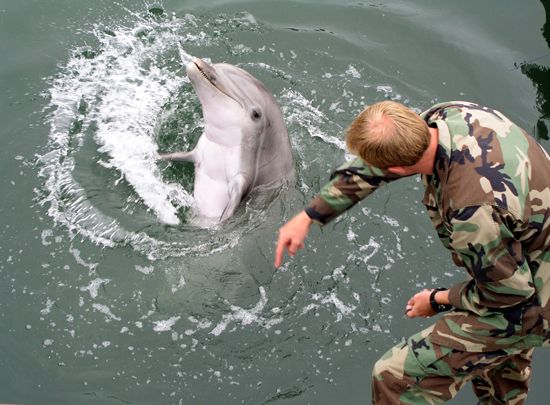
- Military Dolphins: Utilized by the U.S. Navy for their advanced sonar-like systems to detect underwater mines.1
- African Giant Pouched Rats: Employed as land mine detectors in Africa and Asia due to their small size and ability to cover ground without triggering explosives.1
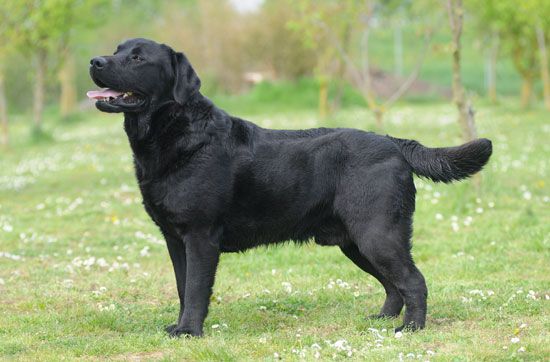
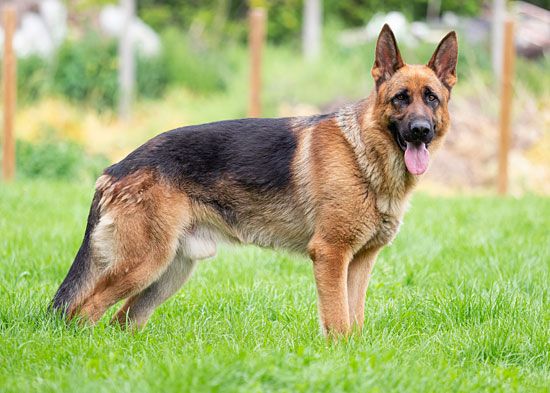
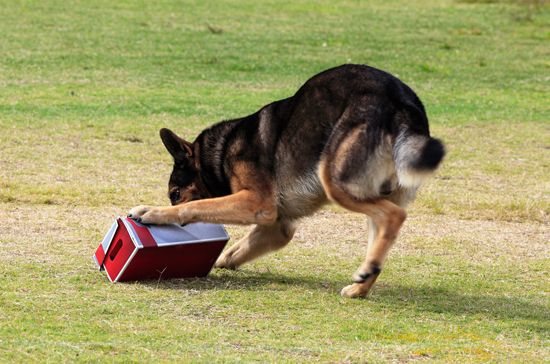
- Dogs: Renowned for their sense of smell, they are used to locate bombs and drugs, detect medical conditions like cancer or low blood sugar, and provide assistance to people with disabilities.1
- Canaries: Historically used in coal mines to detect lethal carbon monoxide gas, providing early warnings to miners.1
- Miniature Horses: Recognized as service animals under the Americans with Disabilities Act, they serve as guides for the visually impaired, particularly for those with dog allergies.1
- Capuchin Monkeys: Trained to assist individuals with mobility impairments by performing daily tasks like picking up objects or turning on appliances.1
- Cats: Specifically, the “Chief Mouser to the Cabinet Office” at 10 Downing Street, a role dedicated to rodent control.1
How do service animals differ from therapy animals?
Service animals and therapy animals differ primarily in their training, legal status, and purpose.
Service Animals
Service animals are working animals, typically dogs, specifically trained to perform tasks that assist individuals with disabilities. Because they are trained to perform essential functions—such as guiding the visually impaired, alerting those with hearing loss to sounds, or assisting individuals with seizure disorders—they are not considered pets. Under legislation like the Americans with Disabilities Act, service animals are granted legal access to public places and businesses where pets are typically prohibited.14
Therapy Animals
Therapy animals, which can include various species like dogs and cats, are trained and certified to provide companionship and comfort to people in institutions such as hospitals, hospices, and nursing homes. Unlike service animals, they do not have specialized training to perform specific assistive tasks for a single owner. Furthermore, they do not share the same legal protections as service animals and are generally not permitted in public establishments unless allowed by individual business policies.15

What makes certain dog breeds better suited for service work than others?
Certain dog breeds are better suited for service work due to a combination of innate temperamental traits and physical capabilities developed through generations of selective breeding. Organizations that train service animals often prioritize breeds like German shepherds, Labrador retrievers, and golden retrievers because they consistently exhibit a calm temperament, high intelligence, and a natural desire to be helpful to humans.6
The suitability of these breeds is rooted in several key factors:
- Temperament: Successful service dogs possess a “business-like” disposition, meaning they are capable of evaluating situations and focusing on their tasks rather than being easily distracted. Their loyalty and eagerness to interact with humans make them reliable partners.17
- Intelligence and Trainability: These breeds are quick learners, capable of mastering complex commands—such as knowing when to disobey a command if it endangers their handler—and performing specialized duties like alerting to medical symptoms or navigating obstacles.68
- Physical Constitution: Service work often requires a robust, sturdy build. Dogs with good physical stamina are better equipped to handle the demands of guiding, pulling, or assisting individuals with mobility impairments.68
Are there specific laws that protect the rights of working animals?
In the eyes of the law, animals are generally classified as “legal things” rather than “legal persons,” meaning they do not possess inherent rights of their own. Instead, they are treated as objects over which humans exercise property rights.1
However, working animals receive specific protections through two primary legal frameworks:
- Anticruelty and Welfare Statutes: Laws such as the federal Animal Welfare Act (1966) in the United States and various state-level anticruelty statutes regulate how humans may treat animals in sectors like agriculture, research, and entertainment. These laws aim to prevent unnecessary suffering and abuse, though they do not grant the animals legal rights.1
- Service Animal Legislation: Legislation such as the Americans with Disabilities Act (1990) recognizes the specialized role of service animals. Because these animals are trained to perform essential tasks for individuals with disabilities, the law grants them exemptions from rules that typically prohibit animals from public places and businesses.5
While these statutes provide indirect protection and ensure that service animals can accompany their handlers, the animals remain legally categorized as the property of their owners.51
Sources
- How Service Animals Help Humans Live Fuller Lives — Encyclopædia Britannica
- Working Like a Dog: 7 Animals with Jobs — Encyclopædia Britannica
- Animal testing - Pro 1: Animal testing contributes to life-saving cures and treatments for humans and animals alike. — Encyclopædia Britannica
- service animal — Merriam-Webster
- emotional support animal — Merriam-Webster
- Why are German shepherds police dogs? — Encyclopædia Britannica
- dog - Working dogs — Encyclopædia Britannica
- dog - Breed-specific behaviour — Encyclopædia Britannica
- Animal rights - Animals and the law — Encyclopædia Britannica
Published on · 3 min read