Yuzu
Yuzu is an East Asian citrus fruit, likely originating in the highlands of China and now most prominently associated with Japan. It is a cold-resistant…
What is yuzu?
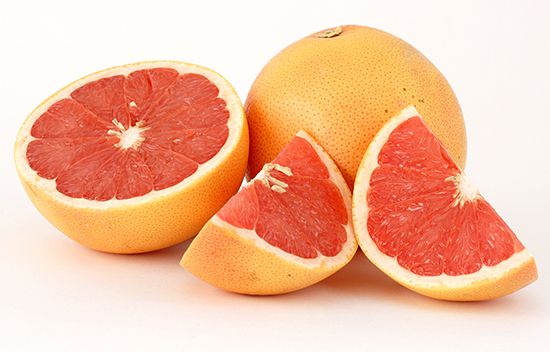
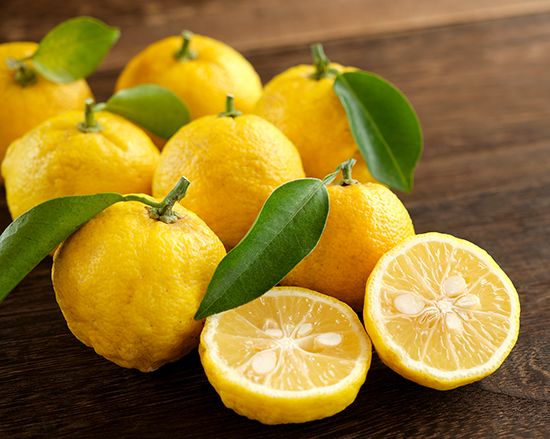
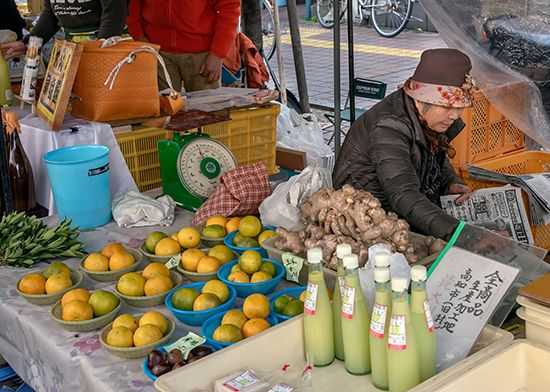
Yuzu is an East Asian citrus fruit, likely originating in the highlands of China and now most prominently associated with Japan. It is a cold-resistant hybrid—possibly of the sour mandarin and the Ichang papeda—that features a bumpy, golden-yellow skin and a flavor profile reminiscent of a cross between a lemon, grapefruit, and orange.1
Because the fruit is quite bitter, it is rarely eaten on its own. Instead, it is highly valued for its fragrant peel and juice, which are staples in Japanese cuisine for flavoring soups, salads, and sauces like ponzu. In Korea, it is commonly prepared as a marmalade used to make tea. Beyond culinary uses, yuzu is used in perfumes and is traditionally added to baths during the winter solstice to help ward off illness. While importation to the U.S. is restricted due to agricultural regulations, it is grown domestically in regions like the San Joaquin Valley and is increasingly popular in Western fine dining.1
What are some other types of citrus fruits native to East Asia?
Beyond the yuzu, East Asia is home to several other notable citrus fruits that are integral to the region’s culinary traditions:
- Sudachi (Citrus sudachi): A small, sour green citrus fruit native to Japan. Its tart juice is frequently used to make ponzu, a popular dipping sauce.1
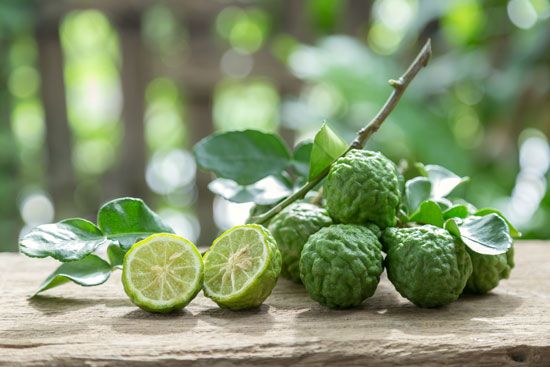
- Kabosu (Citrus sphaerocarpa): Similar to the sudachi, this is another sour green citrus fruit used in Japanese cuisine, particularly for its acidic juice in sauces and seasonings.1
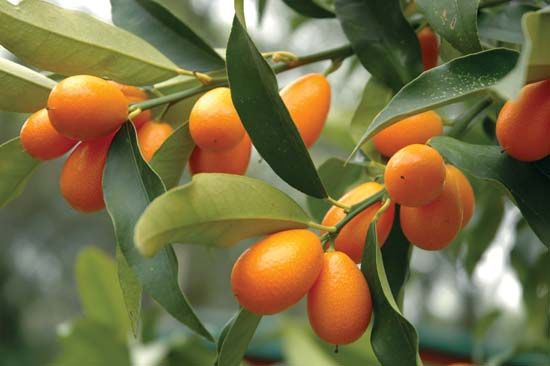
- Kumquat (genus Fortunella): Native to eastern Asia, these small evergreen trees produce tart, orange-yellow fruits. Unlike many other citrus fruits, the skin of the kumquat is sweet and edible. Common varieties include the oval Nagami kumquat, the round Marumi kumquat, and the sweet-fleshed Meiwa kumquat.2
These fruits highlight the diversity of the Citrus genus in East Asia, ranging from highly acidic varieties used for seasoning to small, sweet-skinned fruits enjoyed fresh or preserved.12
How is the winter solstice celebrated in Japan?
In Japan, the winter solstice, known as toji, is traditionally marked by the practice of taking a yuzu bath. On this day, whole yuzu fruits—or sometimes halved fruits to release their juices—are added to a hot bath. This custom is believed to help protect individuals against winter colds and the flu.4
Beyond this specific bathing tradition, the solstice serves as a significant marker of the changing seasons. While the provided search results detail various global solstice celebrations, such as the Chinese festival of Dong Zhi, the yuzu bath remains the most distinctively Japanese cultural practice associated with the arrival of the winter solstice.14
What is the history of ponzu sauce?
The history of ponzu is a fascinating linguistic and culinary journey that bridges East and West. While the sauce is a staple of Japanese cuisine—typically consisting of a tangy blend of citrus juice, rice wine vinegar, and soy sauce—its name has surprising origins.5
The Japanese term ponzu is derived from the Dutch word pons, which literally translates to “punch.” This Dutch term shares the same roots as the English word “punch,” referring to the mixed beverage often served at social gatherings. In Japanese, the word evolved to specifically describe the juice squeezed from sour oranges.5
Although the sauce has been used in Japan for generations, particularly as a seasoning for seafood, it is a relatively modern addition to the English language, with the first known usage appearing in 1972.5
Sources
Published on · 3 min read