7 Awesome Frog Species of Canada and the United States
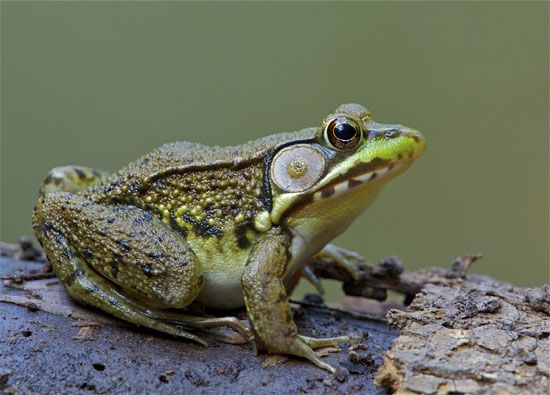
North America is home to a diverse array of frog species. Here are seven notable species found across Canada and the United States:
What are 7 Awesome Frog Species of Canada and the United States?
North America is home to a diverse array of frog species. Here are seven notable species found across Canada and the United States:
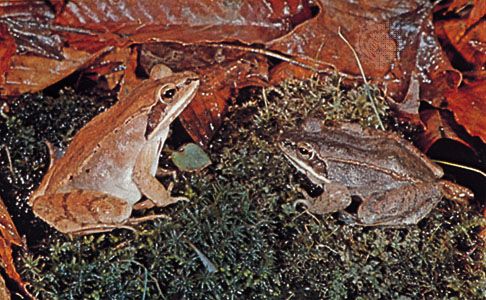
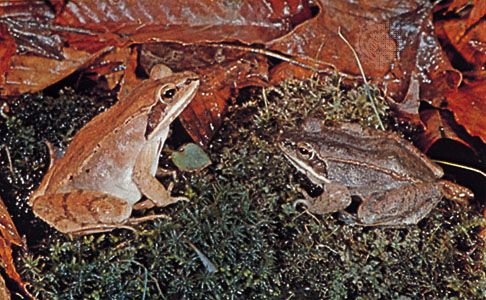
- Wood Frog: Known for its ability to survive freezing temperatures by producing a natural antifreeze of glucose in its body fluids.1
- Northern Leopard Frog: A classic species recognized by its speckled appearance; it is often found near ponds and lakes.1
- Spring Peeper: A small, elusive frog identified by the dark X-shaped marking on its back and its distinctive spring call.1
- Pickerel Frog: Distinguished by square or rectangular spots and bright orange coloration on the underside of its legs.1
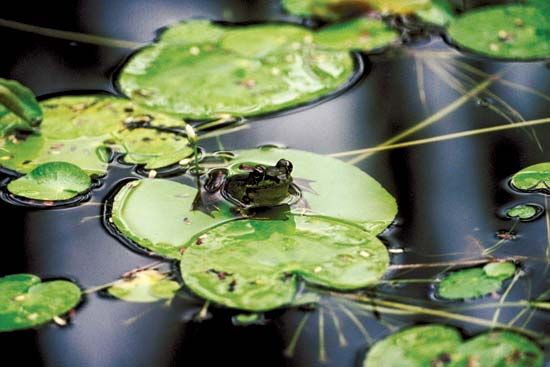
- Mink Frog: Named for the odor of its skin secretions, which resembles that of a mink or a rotten onion.1
- Columbia Spotted Frog: A western species known for its plump belly and reddish or bronze underside.1
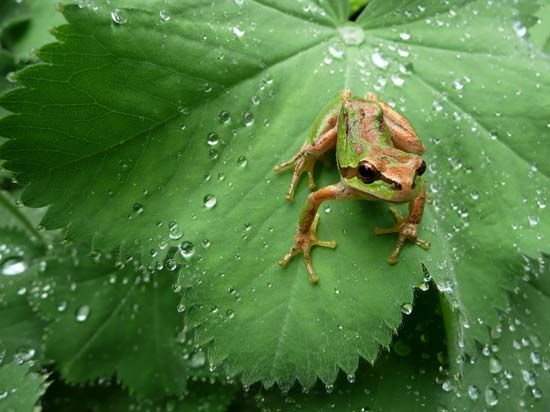
- Northern Pacific Tree Frog: Features sticky toe pads for climbing and the ability to change its shade of color based on environmental conditions.1
How do frogs survive the winter in freezing climates?
Frogs are ectotherms, meaning their body temperature is largely regulated by their environment. To survive freezing climates, they employ various strategies to remain dormant until favorable conditions return.34
Many species seek protective niches to overwinter, such as burrowing into the mud at the bottom of ponds or marshes, hiding under rotting logs, or finding shelter in terrestrial burrows. By remaining in these moist, insulated environments, they avoid the most extreme temperatures.4
Some species, most notably the wood frog, have evolved remarkable biochemical adaptations to survive actual freezing. These frogs can endure having a significant portion of their body water turn to ice. To protect their cells and tissues from damage, they manufacture and flood their systems with cryoprotectants—specifically, they convert stored glycogen into high concentrations of glucose. This natural antifreeze lowers the freezing point of their internal fluids and prevents the formation of lethal ice crystals within their cells.13
What are the main differences between frogs and toads?
While people often try to separate anurans into two distinct groups, it is important to note that there is no strict taxonomic basis for these labels; all toads are technically classified as frogs. However, when attempting to distinguish between them in the field, you can look for these general differences:5
- Skin Texture: Frogs typically have smooth, moist skin that requires frequent hydration. Toads generally possess dry, rough, and bumpy skin, which is better at retaining moisture.5
- Habitat: Because of their skin needs, frogs are most often found in or very near bodies of water like ponds, lakes, or streams. Toads are better adapted to drier environments and are frequently found further away from water sources.5
- Leg Length and Movement: Frogs usually have long, powerful hind legs designed for leaping and swimming. Toads often have shorter hind legs, giving them a squat, rotund appearance; they typically move by taking small hops or even walking rather than making long leaps.56
Ultimately, these categories are somewhat superficial and “wobbly,” as some species may be referred to by both names depending on the region.5
Why are amphibian populations declining worldwide?
Amphibian populations have been experiencing significant declines worldwide since the 1980s due to a complex combination of environmental and biological stressors.8
The most prominent factor is the spread of amphibian chytridiomycosis, a devastating disease caused by the chytrid fungus (Batrachochytrium dendrobatidis). This fungus, which likely originated in the Korean peninsula, has been spread globally through food and pet trading networks. It infects the skin of amphibians, disrupting their ability to breathe and maintain electrolyte balance, which often leads to cardiac arrest. This pathogen is responsible for the presumed extinction of approximately 90 species since 1980.8910
Beyond disease, other major threats include:
- Habitat Loss: The destruction of forests and wetlands for logging, farming, and urban development has severely impacted many species.811
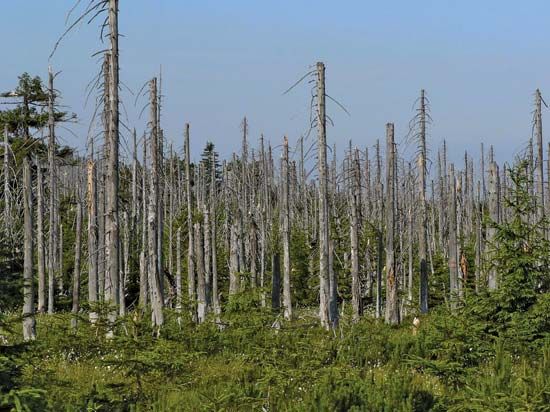
- Environmental Changes: Factors such as acid rain, global warming, and ozone depletion contribute to population instability.8
- Human Activity: Water pollution, hunting, and the illegal wildlife trade further threaten vulnerable populations.11
We could dive deeper into how specific conservation efforts are attempting to mitigate the spread of chytrid fungus in the wild.
Sources
- 7 Awesome Frog Species of Canada and the United States — Encyclopædia Britannica
- leopard frog — Encyclopædia Britannica
- Ectotherm — Encyclopædia Britannica
- Dormancy - Fishes and amphibians — Encyclopædia Britannica
- What’s the Difference Between a Frog and a Toad? — Encyclopædia Britannica
- frog and toad - Size range and diversity of structure — Encyclopædia Britannica
- frog and toad - From tadpole to adult — Encyclopædia Britannica
- amphibian - Distribution and abundance — Encyclopædia Britannica
- amphibian chytridiomycosis — Encyclopædia Britannica
- invasive species - A global problem — Encyclopædia Britannica
- goliath frog: Top Questions — Encyclopædia Britannica
Published on · 3 min read