Goliath Frog
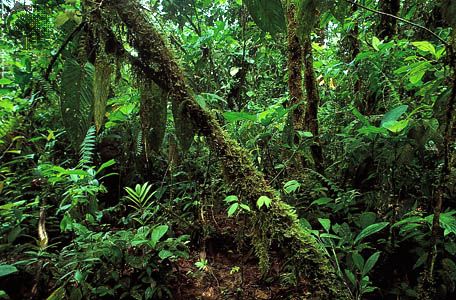
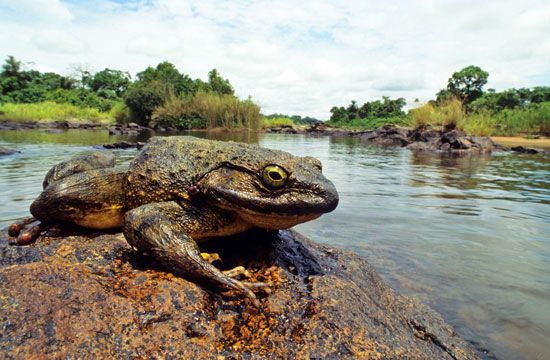
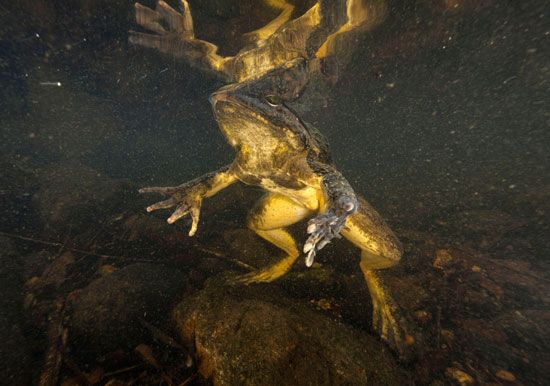
The goliath frog (Conraua goliath) is the world’s largest living frog species, native to dense lowland rainforests and fast-moving rivers in Cameroon and…
What is goliath frog?
The goliath frog (Conraua goliath) is the world’s largest living frog species, native to dense lowland rainforests and fast-moving rivers in Cameroon and Equatorial Guinea. Adults can reach lengths of 32 cm (12.6 inches) and weigh 3 kg (6.6 pounds) or more.12
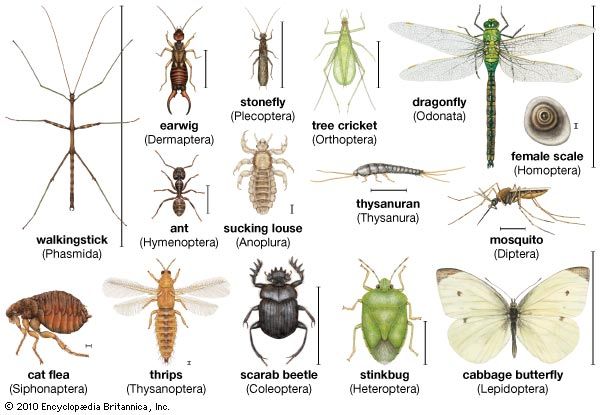
These frogs are carnivorous, feeding on insects, crustaceans, fish, and small mammals, while their tadpoles are specialized herbivores that feed exclusively on a specific aquatic plant. Their impressive size is thought to have evolved due to the physical demands of clearing rock pools for breeding, a process in which males move heavy stones.132
Currently listed as an endangered species, the goliath frog faces significant threats from habitat loss, hunting, and the illegal wildlife trade3. Protecting these unique amphibians is essential for maintaining the biodiversity of their fragile riverine ecosystems.1
Why do goliath frog tadpoles have such a specialized diet?
Goliath frog tadpoles have a highly specialized diet, feeding exclusively on the aquatic plant Dicraeia warmingii, which grows on rocks in rapids and near waterfalls.431
This dietary restriction is significant for several reasons:
- Habitat Dependency: Because the tadpoles rely solely on this specific plant, the species is restricted to environments where Dicraeia warmingii thrives. This dependence on a narrow food source at a critical developmental stage is believed to be a primary factor in the goliath frog’s limited geographic range.31
- Developmental Shift: This specialization highlights a dramatic dietary transition, as the tadpoles are strictly herbivorous, while both juveniles and adults are carnivorous, consuming a wide variety of insects, fish, and small mammals4.3
The goliath frog’s narrow tolerance limits and specific food requirements make the species particularly vulnerable to habitat loss and environmental degradation, contributing to its status as an endangered species.3
How do goliath frogs protect their eggs and young?
Goliath frogs (Conraua goliath) exhibit specific behaviors to protect their eggs and young, primarily through the creation of specialized nesting sites.
- Nest Construction: In preparation for breeding, males create water-filled deposition sites. They do this by clearing leaf litter and other debris from rock pools and river-scoured depressions, or by excavating holes in gravel riverbanks. These efforts are physically demanding, sometimes requiring males to move rocks up to half their own body weight.5
- Egg Deposition: After mating, the female lays hundreds of eggs that adhere to rocks or vegetation at the bottom of these prepared pools. This placement helps keep the eggs secure within the aquatic environment.5
- Parental Care: While the female may guard the pools for a short period, she eventually abandons them. Once the eggs hatch, the young remain unattended in these pools to develop over the next 85–95 days.5
These nesting behaviors are critical for the survival of the offspring, as the pools provide a protected environment for the tadpoles to develop until they are ready to transition to their juvenile stage.5
What are some other examples of endangered amphibians?
Amphibians are currently facing a global biodiversity crisis, with many species experiencing severe population declines or extinction due to human activities and environmental threats. While the goliath frog is a well-known example of an endangered species, many others are similarly imperiled.
The primary driver of these declines is amphibian chytridiomycosis, a devastating fungal disease caused by Batrachochytrium dendrobatidis. This pathogen has been implicated in the decline or extinction of more than 500 species worldwide, particularly affecting members of the genus Atelopus.910
Other factors contributing to the endangerment of amphibians include:
- Habitat Loss and Degradation: Large-scale conversion of land for agriculture, logging, and infrastructure development remains the most pervasive threat to biodiversity.10
- Invasive Species: The introduction of non-native species through global trade networks often leads to competition that native amphibians cannot survive.10
- Pollution and Climate Change: Factors such as acid rain, global warming, and water pollution continue to degrade critical habitats.111012
- Overexploitation: The illegal wildlife trade and the collection of amphibians for the pet industry further pressure already vulnerable populations.1012
We could dive deeper into the specific conservation efforts being made to combat the spread of chytrid fungus in wild populations.
Sources
- goliath frog: Top Questions — Encyclopædia Britannica
- goliath frog — Merriam-Webster
- goliath frog — Encyclopædia Britannica
- What do frogs eat? — Encyclopædia Britannica
- frog and toad - Egg laying and hatching — Encyclopædia Britannica
- frog and toad - Egg laying on land — Encyclopædia Britannica
- frog and toad - Breeding behaviour — Encyclopædia Britannica
- frog and toad - From tadpole to adult — Encyclopædia Britannica
- amphibian - Distribution and abundance — Encyclopædia Britannica
- amphibian chytridiomycosis — Encyclopædia Britannica
- iguana: Top Questions — Encyclopædia Britannica
- critically endangered species — Encyclopædia Britannica
Published on · 3 min read