Al-Kharj
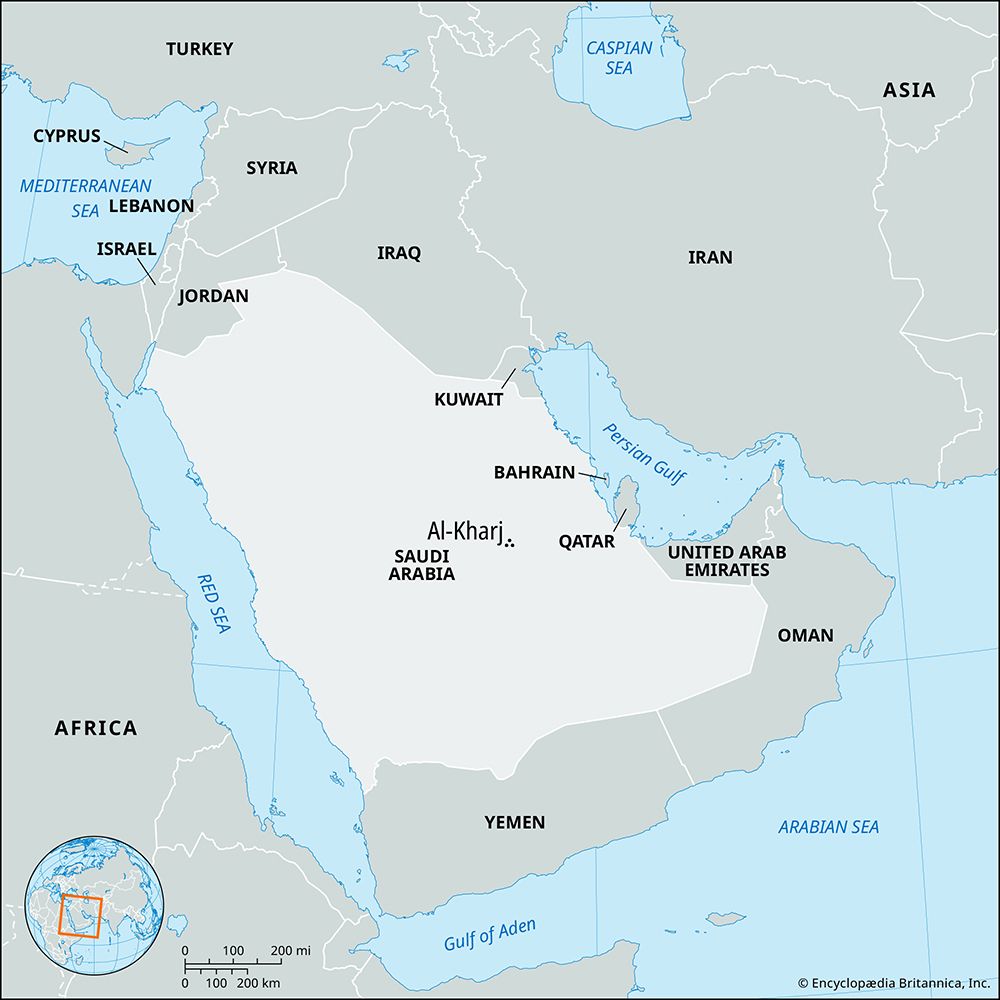
Al-Kharj is an oasis located in east-central Saudi Arabia, situated southeast of the national capital, Riyadh.
What is Al-Kharj?
Al-Kharj is an oasis located in east-central Saudi Arabia, situated southeast of the national capital, Riyadh1.
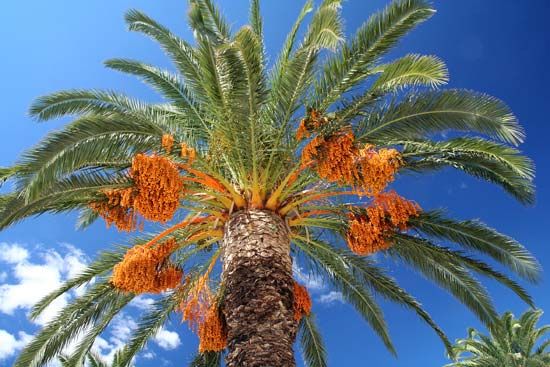
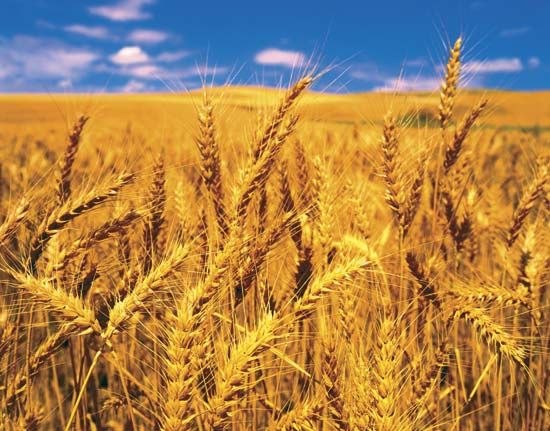
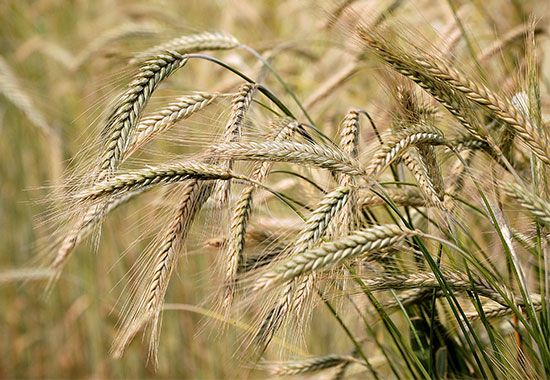
Historically significant for its deepwater pools and ancient tombs, the area was selected for a government experimental farm in 1938. It has since developed into a thriving agricultural hub, producing cereals, dates, fruits, and vegetables. The region is also known for livestock, poultry, and horse breeding. In 1981, its dairy sector was significantly bolstered by the opening of a large-scale meat and dairy facility, which was the largest of its kind in the Middle East at the time. Today, the city is connected to Riyadh and the Persian Gulf via a railroad1.
How do oasis ecosystems support agriculture in desert regions?
Oasis ecosystems support agriculture in desert regions primarily by providing a perennial supply of fresh water, which is essential for overcoming the extreme aridity of the environment. These fertile tracts rely heavily on underground water sources, such as springs and wells fed by distant sandstone aquifers, to sustain plant life and human populations.2
The agricultural productivity of an oasis is driven by several key factors:
- Water Access: Irrigation allows for the cultivation of crops that would otherwise fail in desert conditions. Traditional methods, such as the shadoof or canal systems, have evolved into modern mechanical pumping, ensuring consistent water delivery.34
- Microclimates: The presence of a primary canopy, typically the date palm, creates a shaded microclimate. This protection allows for the growth of secondary crops like citrus fruits, figs, peaches, apricots, vegetables, and cereals such as wheat, barley, and millet.2
- Soil Management: While desert soils can be nutrient-rich, they often require careful management. Proper irrigation and drainage are critical to prevent the buildup of salts, which can otherwise render land unproductive.35
What is the significance of Riyadh as the capital of Saudi Arabia?
Riyadh serves as the political and cultural heart of Saudi Arabia. Its significance as the capital is rooted in its history as the center of the Saud dynasty, which first designated the city as its capital in 1824. Following the unification of the Najd and Hejaz regions by King Abdulaziz ibn Saud, Riyadh was officially named the capital of the newly proclaimed Kingdom of Saudi Arabia in 1932.89
Beyond its political role, Riyadh is recognized as a cultural capital. In 2000, UNESCO designated it the cultural capital of the Arab world. The city hosts major institutions such as the King Abdulaziz Historical Center, the National Museum, and the National Library, which preserve the history of the kingdom and the Arabian Peninsula. Additionally, the annual Al-Jinādiriyyah festival, held near the city, stands as one of the largest cultural events in the Arab world, fostering intellectual and artistic exchange.108
How has the dairy industry impacted the economy of the Middle East?
The dairy industry has played a significant role in the agricultural development of Saudi Arabia, contributing to the nation’s goal of food self-sufficiency. Historically, the economy of the Arabian Peninsula relied on nomadic practices involving the raising of camels, sheep, and goats, which provided essential dairy products for subsistence.11
Modern industrialization of this sector has been transformative. A notable milestone occurred in 1981 with the inauguration of a meat and dairy combine in Al-Kharj, which was the largest facility of its kind in the Middle East at the time of its opening. Supported by government incentives and subsidies, the kingdom has successfully achieved self-sufficiency in milk production, even as it continues to import a large portion of its overall food requirements. While agriculture remains a small fraction of the national GDP, these advancements in dairy production represent a strategic effort to stabilize domestic food supplies.111
Sources
- Al-Kharj — Encyclopædia Britannica
- oasis — Encyclopædia Britannica
- Origins of agriculture - Irrigation — Encyclopædia Britannica
- Desert - Biological productivity — Encyclopædia Britannica
- Nile River - Irrigation — Encyclopædia Britannica
- aquifer and Agriculture — Merriam-Webster
- Arabian Desert - Soils — Encyclopædia Britannica
- Riyadh: Top Questions — Encyclopædia Britannica
- Riyadh - History of Riyadh — Encyclopædia Britannica
- Riyadh - Cultural life — Encyclopædia Britannica
- Saudi Arabia - Agriculture — Encyclopædia Britannica
Published on · 3 min read