Axolotl
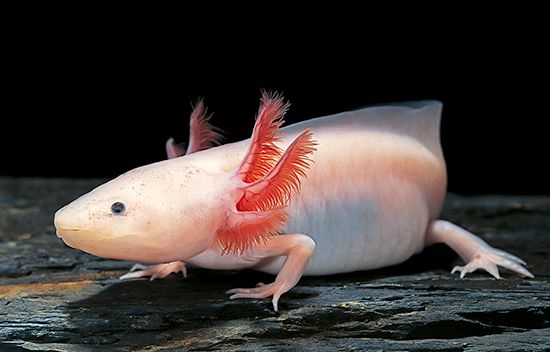
The axolotl (Ambystoma mexicanum) is a unique salamander found exclusively in Lake Xochimilco, located within Mexico City.
What is the natural habitat of axolotls, and why are they endangered?
The axolotl (Ambystoma mexicanum) is a unique salamander found exclusively in Lake Xochimilco, located within Mexico City.1
This species is currently classified as critically endangered due to several significant environmental pressures:1
- Habitat Loss: Continued urbanization in Mexico City has severely reduced the axolotl’s natural environment.1
- Water Pollution: The degradation of water quality in their remaining habitat has negatively impacted population health.1
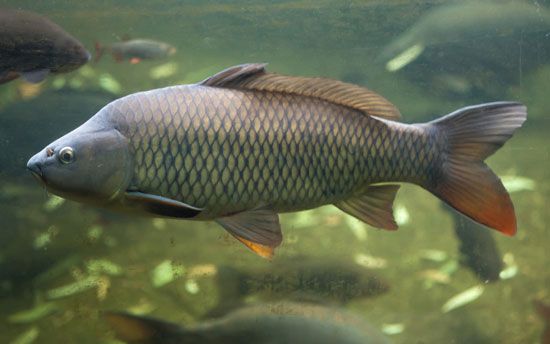
- Invasive Species: The introduction of non-native species, such as carp and tilapia, has created intense competition for food and led to increased predation on axolotls.1
Ecologists estimate that fewer than 1,000 individuals remain in the wild, making the preservation of their specific aquatic ecosystem vital for their survival.1
What is the evolutionary history of axolotls and their relation to other salamander species?
The axolotl (Ambystoma mexicanum) belongs to the family Ambystomatidae within the order Caudata. Its evolutionary history is defined by a phenomenon known as heterochrony, which refers to changes in the timing and rate of developmental events.12
Paedomorphosis and Heterochrony
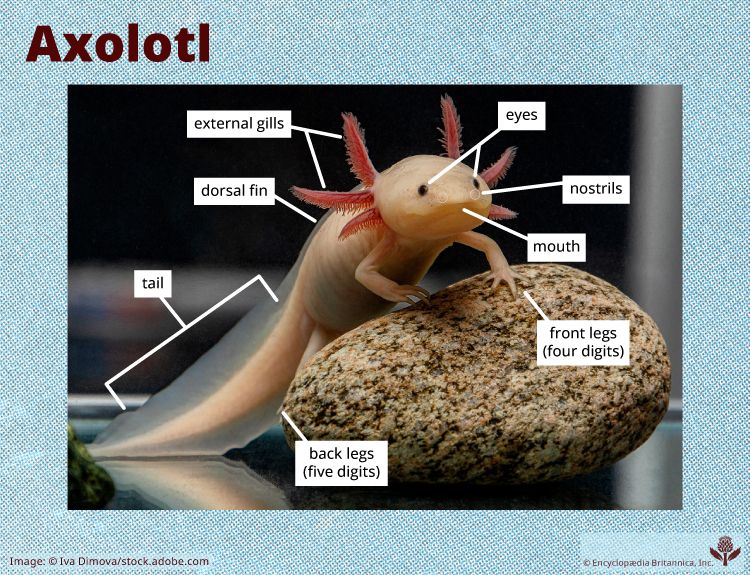
The axolotl is a classic example of a paedomorphic species, meaning it retains juvenile or larval traits—such as external gills—throughout its adult life. While most salamanders undergo a metamorphosis from an aquatic larval stage to a terrestrial adult form, the axolotl and several other species have evolved to remain in a larval state while reaching sexual maturity.123
This condition is not unique to the axolotl; it is a widespread feature in amphibian evolution. Other salamander families also exhibit these traits due to heterochronic processes:2
- Proteidae: Includes the mud puppy and the olm.2
- Cryptobranchidae: Includes hellbenders.2
- Ambystomatidae: Includes the mole salamander (Ambystoma talpoideum), which can also display hypomorphic development where larval traits are retained.2
In most cases, this permanent larval state is determined by heredity, though in some species, it can be induced by unfavorable environmental conditions, such as cold or drought, that make terrestrial life difficult.3
How do people keep axolotls as pets, and what are the challenges in their care?
Axolotls are frequently kept as pets and are successfully bred in captivity. However, maintaining them requires careful attention to their specific environmental needs, as they are sensitive aquatic organisms.16
Challenges in Care
The primary challenge in keeping axolotls is maintaining high water quality, which is essential for their health. Key considerations include:6
- Water Chemistry: The water supply must be free of pollutants, including chlorine and other additives often found in tap water, which must be removed via carbon filtration or chemical treatment.6
- Waste Management: In closed aquarium systems, metabolic wastes like ammonia can quickly become toxic. Owners must ensure efficient filtration—often using biological filters where beneficial bacteria convert harmful substances into less toxic forms—and perform regular water changes to manage nitrate levels.6
- Environmental Stability: Axolotls require stable temperatures and proper aeration to prevent asphyxia. Because they are fully aquatic, their habitat must be managed similarly to other sensitive amphibians, ensuring the water remains in gaseous equilibrium with the atmosphere.6
While captive axolotls can live up to 15 years—significantly longer than their wild counterparts—their well-being depends entirely on the owner’s ability to replicate a clean, stable aquatic environment.16
How do axolotls differ from other salamanders in terms of metamorphosis?
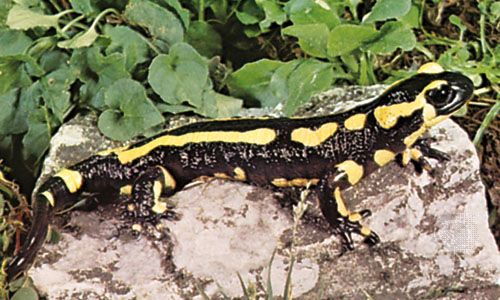
Most salamanders undergo a standard life cycle that includes an aquatic larval stage followed by a metamorphosis into a terrestrial adult form. During this transformation, they lose their larval structures—such as external gills—and develop features like eyelids and a modified skull and tongue to support life on land.24
In contrast, the axolotl (Ambystoma mexicanum) is a paedomorphic species, meaning it retains its juvenile or larval traits, including external gills, throughout its entire adult life. This condition is a result of heterochrony, an evolutionary change in the timing and rate of developmental events. While most salamanders rely on hormones from the thyroid and pituitary glands to trigger metamorphosis, axolotls reach sexual maturity while remaining in an essentially larval state.2174
This permanent larval condition is not unique to axolotls; it is also observed in other families, such as the Proteidae (e.g., mud puppies and olms) and Cryptobranchidae (hellbenders). In most cases, this state is determined by heredity, though it can sometimes be induced by environmental factors like cold or drought.27
Sources
- axolotl — Encyclopædia Britannica
- Caudata - Life cycle and reproduction — Encyclopædia Britannica
- amphibian - Salamanders — Encyclopædia Britannica
- amphibian - Heterochrony — Encyclopædia Britannica
- axolotl — Merriam-Webster
- aquarium - Maintenance problems — Encyclopædia Britannica
- Paedomorphosis — Encyclopædia Britannica
- salamander — Encyclopædia Britannica
Published on · 4 min read