Chimaera
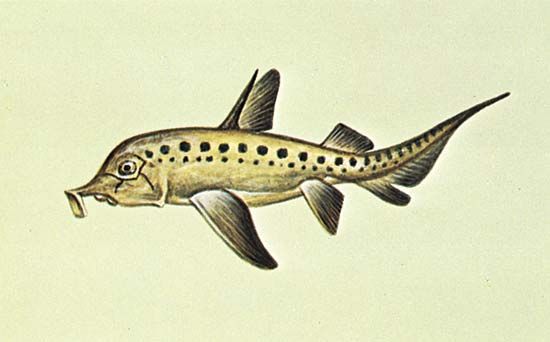
Chimaeras, also known as ratfish or ghost sharks, possess several adaptations that allow them to thrive in deep-sea environments reaching depths of 2,500…
What adaptations do chimaeras have for deep-sea living?
Chimaeras, also known as ratfish or ghost sharks, possess several adaptations that allow them to thrive in deep-sea environments reaching depths of 2,500 meters or more.12
Key adaptations include:
- Visual Sensitivity: While their visual acuity varies by species, deep-diving chimaeras have well-developed eyes designed to maximize the detection of ambient light in the deep ocean.3
- Sensory Systems: Like other chondrichthyans, they utilize a lateral line system and specialized pores on the head and snout called ampullar organs. These allow them to detect vibrations, pressure changes, and minute electrical impulses produced by prey in the dark, deep-sea environment.3
- Feeding Mechanisms: They are nocturnal hunters that feed on small fishes and invertebrates. Their mouths are equipped with six pairs of grinding plates, which are well-suited for processing their prey.124
- Reproductive Strategy: Females lay large, elongated eggs protected by tough, horny coverings, which help ensure the survival of their offspring in challenging habitats.1
How have chimaeras evolved over time, and what is their evolutionary history?
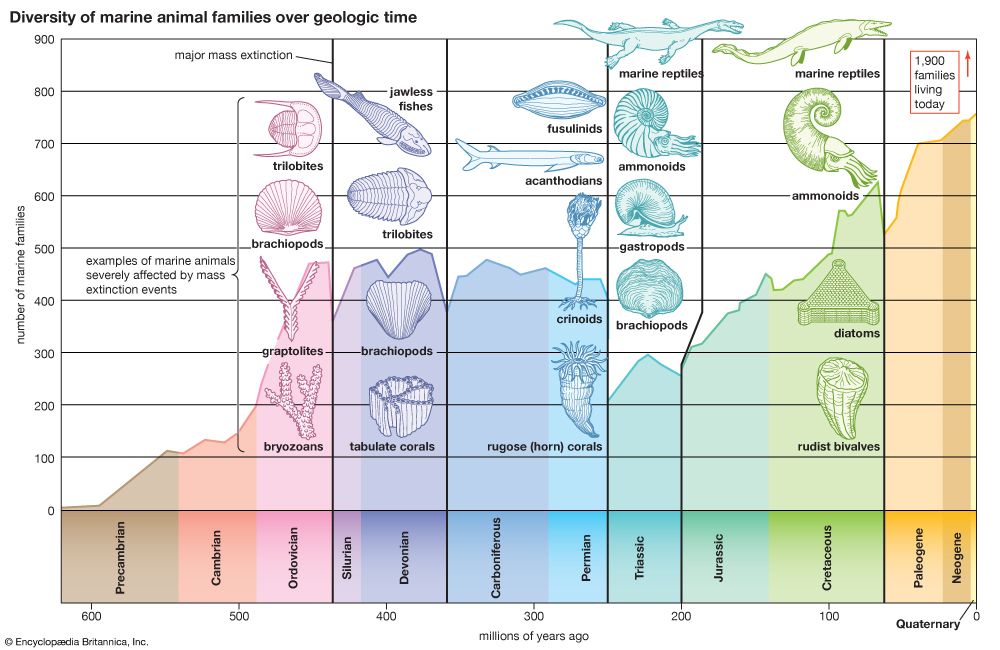
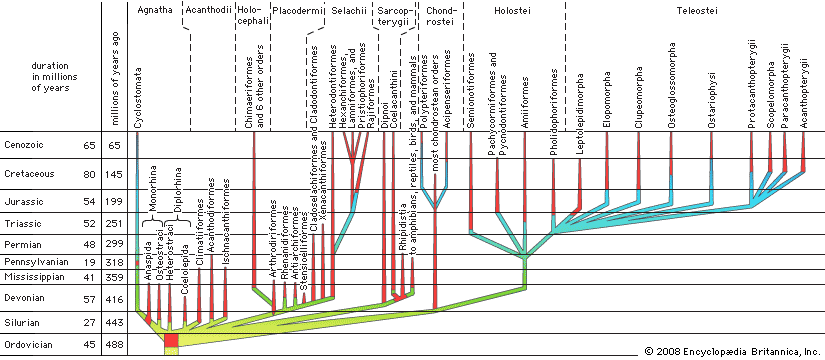
The evolutionary history of chimaeras (subclass Holocephali) is a complex subject with several competing scientific interpretations. These cartilaginous fishes are thought to have emerged following the Devonian extinctions approximately 360 million years ago.5
Evolutionary Origins
The precise lineage of chimaeras remains debated, with several theories regarding their ancestry:
- Placoderm Connection: Some researchers propose that chimaeras evolved from the ptyctodonts, an order of Devonian placoderms that shared similar body forms and tooth structures. Others suggest a relationship to Devonian ptyctodont arthrodires.16
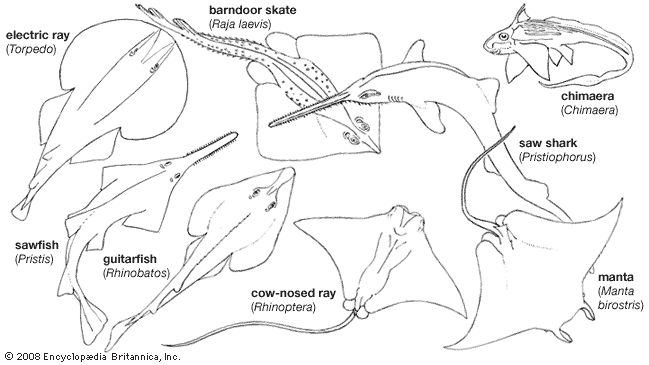
- Parallel Evolution: While chimaeras share many traits with sharks and rays—such as cartilaginous skeletons, placoid scales, and internal fertilization—some evidence suggests they may have evolved independently along parallel lines.1
- Fossil Evidence: The earliest identified chimaera fossil is a skull named Dwykaselachus oosthuizeni, dated to roughly 280 million years ago. While it initially appeared similar to extinct sharks, CT scans confirmed that its braincase and cranial features align more closely with modern chimaeras.5
Diversification and Survival
Chimaeras were most common and diverse during the Mesozoic Era. Of the seven known orders, only one survived beyond the end of the Cretaceous Period 65.5 million years ago. Today, they persist as a specialized group of about 47 species, largely confined to deep-sea habitats.65
What role do chimaeras play in their ecosystem?
In their deep-sea and coastal ecosystems, chimaeras function primarily as predators. By consuming a diet consisting of small fishes and invertebrates, they help regulate the populations of these organisms within their respective habitats, which range from coastal waters to oceanic depths of 2,500 meters or more.1
Beyond their role as predators, chimaeras have historically interacted with human ecosystems. They are considered edible and are sold as food in certain regions. Additionally, their liver oil was once harvested to serve as a specialized lubricant for guns and fine instruments. Despite their specialized niche, they are described as relatively abundant in some deep-sea environments, where they continue to occupy a unique position within the Chondrichthyes class.15
Where are chimaeras typically found in the ocean, and what is their habitat like?
Chimaeras are found in temperate to cold waters across all oceans. Their habitat is remarkably diverse, spanning from rivers, estuaries, and coastal waters to extreme oceanic depths of 2,500 meters (8,200 feet) or more.1
These fishes are generally characterized as weak swimmers and are known to be delicate when removed from their environment, as they die quickly out of water. Because they occupy such a wide range of depths and water types, they are adapted to various marine conditions, though they are most commonly associated with deep-sea environments where they maintain their specialized ecological niche.1
Sources
- chimaera — Encyclopædia Britannica
- chondrichthyan - Distinguishing features — Encyclopædia Britannica
- chondrichthyan - Senses — Encyclopædia Britannica
- chondrichthyan - Rays — Encyclopædia Britannica
- fish - Holocephali — Encyclopædia Britannica
- chondrichthyan - Evolution — Encyclopædia Britannica
- holocephalan — Merriam-Webster
Published on · 3 min read