Cross River
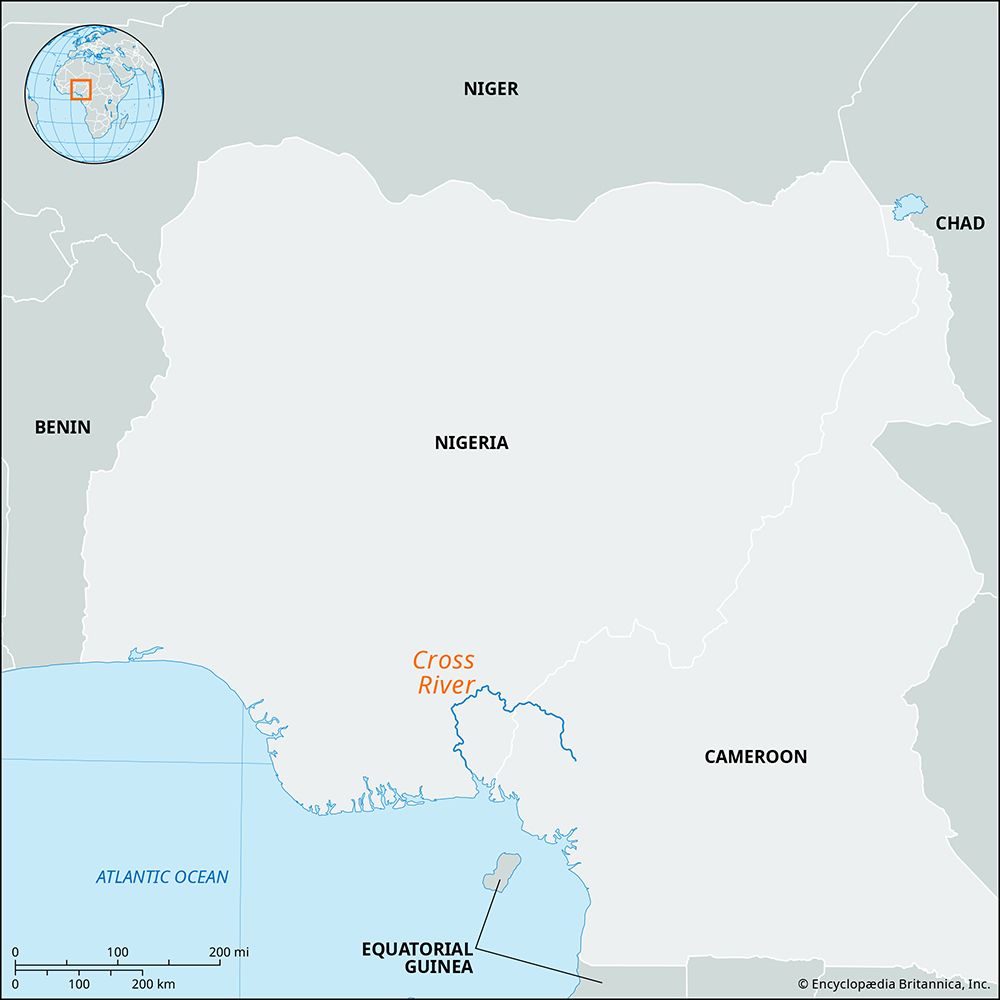
The Cross River is located in western Africa, primarily flowing through southeastern Nigeria. The river originates in the highlands of western Cameroon…
Where is the Cross River located in Africa, and which countries does it flow through?
The Cross River is located in western Africa, primarily flowing through southeastern Nigeria. The river originates in the highlands of western Cameroon before flowing in a westerly direction to enter Nigeria.1
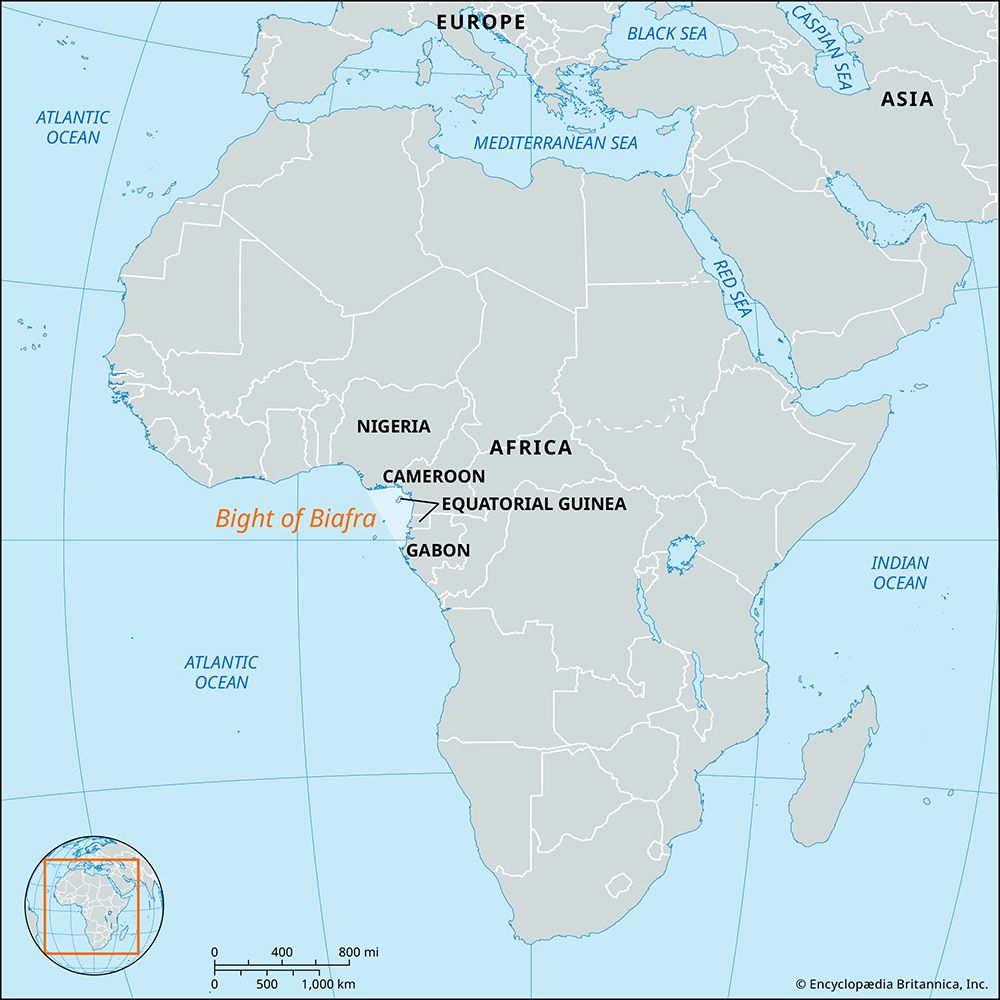
After crossing into Nigeria, it turns southwesterly and eventually flows southward, serving as an important commercial waterway that passes through tropical rain forest and mangrove swamps. The river completes its 304-mile (489-kilometer) course by emptying into the Bight of Biafra through an estuary shared with the Calabar River.1
What is the length of the Cross River and how does it compare to other major rivers in Africa?
The Cross River has a total length of 304 miles (489 kilometers).1
When compared to other major rivers in Africa, the Cross River is significantly smaller in scale. For context, the Nile River is approximately 4,132 miles (6,650 km) long, and the Congo River spans about 2,900 miles (4,700 km). While the Cross River serves as a vital commercial artery for the transport of goods like timber, cocoa, and palm oil in southeastern Nigeria, it does not rank among the continent’s longest or largest river systems.412
How does the Cross River contribute to the economy of the region, particularly in terms of transportation and trade?
The Cross River serves as a vital commercial artery for southeastern Nigeria, particularly by facilitating the movement of goods from the interior to international markets. Because its estuary is free of sandbars and maintains a moderate tidal range, it functions as an essential waterway for inland transport.12
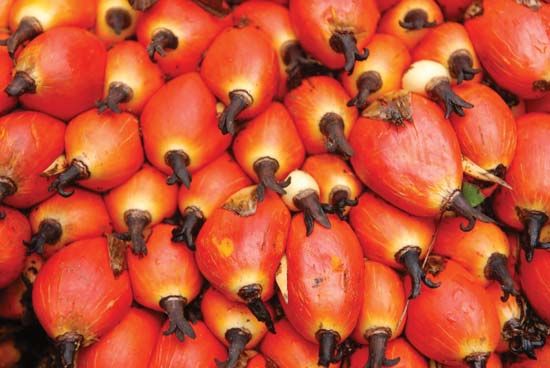
The river is primarily used to ship agricultural and forestry products, including palm oil, palm kernels, timber, cocoa, and rubber. These commodities are transported by boat to the port of Calabar, which acts as a major seaport for export. While the river is a critical transport route, its utility is seasonal; like many other rivers in Nigeria, it is not navigable during the dry season, though it remains an important commercial artery during the rainy season. Beyond its role in trade, the river system supports the broader regional economy by providing a primary means of inland transport for both passengers and cargo along the Nigerian coast.125
What role does the Cross River play in the water supply and agriculture of the surrounding regions?
The Cross River is a critical environmental and economic feature of southeastern Nigeria, though its primary documented role is as a commercial transport artery rather than a direct source for large-scale irrigation or municipal water supply systems.21
Regarding agriculture, the river flows through a region characterized by dense tropical rain forest and oil-palm bush, which provides the natural environment necessary for the cultivation of key food crops such as yams, cassava, rice, and corn (maize). While the river facilitates the export of agricultural commodities like palm oil, kernels, cocoa, and rubber via the port of Calabar, the provided information does not detail specific water diversion projects or irrigation infrastructure directly linked to the river’s flow.21
The river’s primary contribution to the regional economy remains its function as a navigable waterway for transporting these agricultural products to market during the rainy season.21
Sources
- Cross River — Encyclopædia Britannica
- Cross River — Encyclopædia Britannica
- Faro River — Encyclopædia Britannica
- 8 Amazing Physical Features of Africa — Encyclopædia Britannica
- Nigeria - Shipping and air transport — Encyclopædia Britannica
Published on · 2 min read