Faro River
The Faro River is a tributary of the Benue River that originates on the Adamawa Plateau in northwestern Cameroon, located southeast of Ngaoundéré.
What is Faro River?
The Faro River is a tributary of the Benue River that originates on the Adamawa Plateau in northwestern Cameroon, located southeast of Ngaoundéré.1
The river flows for approximately 190 miles (305 km) in a nearly due north direction. It eventually joins the Benue River at the border between Nigeria and Cameroon.1
What is the significance of the Adamawa Plateau?
The Adamawa Plateau is a significant volcanic upland in west-central Africa, primarily located in north-central Cameroon, with its Gotel Mountains extending into southeastern Nigeria. Its importance is defined by several key factors:2
- Hydrological Source: The plateau serves as the vital source of the Benue River, a major waterway that flows through Nigeria and eventually joins the Niger River2.3
- Geological Features: Characterized by elevations exceeding 8,700 feet (2,650 meters), the region features numerous craters and small lakes that provide evidence of its volcanic origins.2
- Economic Activity: The plateau supports a pastoral economy based on cattle ranching and subsistence agriculture. Additionally, the region contains exploitable natural resources, including tin and bauxite deposits.2
- Historical Significance: The region is named after Modibbo Adama, the founder of a Fulani emirate that emerged as an offshoot of the Sokoto caliphate.2
How does the Benue River connect to the Niger River?
The Benue River connects to the Niger River at the town of Lokoja, Nigeria, where it serves as the Niger’s greatest tributary.63
At this confluence, the two rivers merge to form a lakelike stretch of water approximately two miles wide, characterized by numerous islands and sandbanks. This junction is significant because the Benue approximately doubles the annual discharge volume of the Niger. However, navigation at this meeting point can be challenging; a sandbar crosses the Benue at the confluence, which restricts water depth to about two feet during periods of minimal flow, often causing delays for river traffic moving upstream from the delta.36
What kind of wildlife lives near the Faro River?
The Faro River is a tributary of the Benue River that flows through savanna grassland regions in Cameroon and Nigeria. While specific wildlife surveys for the Faro River itself are limited in the provided records, the broader Niger River system—which includes the Benue and its tributaries—supports a diverse range of fauna characteristic of these ecological zones.
Common wildlife associated with these riverine environments include:
- Aquatic Life: The rivers contain various fish species, most notably catfish, carp, and Nile perch. Larger aquatic animals include hippopotamuses and at least three types of crocodiles, such as the Nile crocodile.
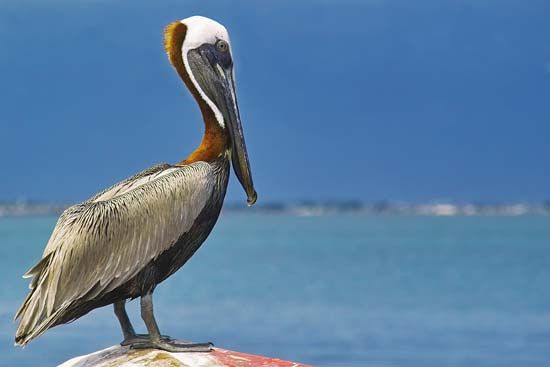
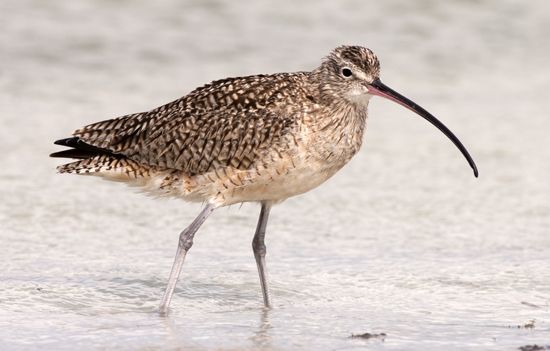
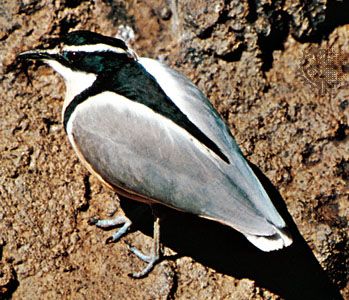
- Birds: The region hosts a rich variety of birdlife. Pelicans and flamingos are particularly associated with the upper Benue area, while other species include herons, egrets, storks, and the crown bird. Smaller riverine birds such as sandpipers, curlews, and white-headed plovers are also present.
- Reptiles: Beyond crocodiles, the river systems support a variety of lizards.
Sources
- Faro River — Encyclopædia Britannica
- Adamawa Plateau — Encyclopædia Britannica
- Niger River - Physiography — Encyclopædia Britannica
- Cameroon - Relief — Encyclopædia Britannica
- Adamawa — Encyclopædia Britannica
- Benue River — Encyclopædia Britannica
- list of World Heritage sites - Cameroon — Encyclopædia Britannica
- Niger River - Plant and animal life — Encyclopædia Britannica
- Gongola River — Encyclopædia Britannica
Published on · 2 min read