Deepwater Horizon Disaster: Five Years Later
The Deepwater Horizon oil spill, which began with an explosion on April 20, 2010, remains the largest marine oil spill in history. By its five-year…
What is Deepwater Horizon Disaster: Five Years Later?
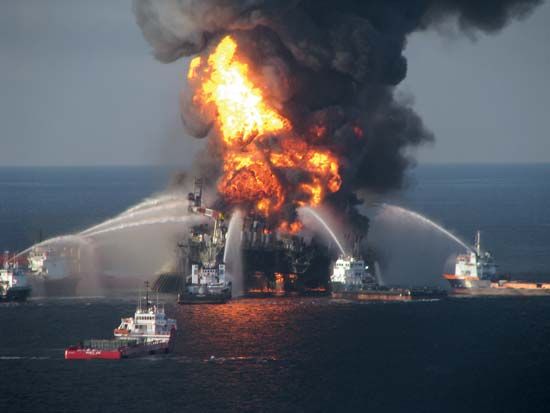
The Deepwater Horizon oil spill, which began with an explosion on April 20, 2010, remains the largest marine oil spill in history. By its five-year anniversary in 2015, the long-term environmental and economic consequences were profound.1
Environmental Impact
By 2015, approximately 1,400 whales and dolphins had been found stranded, representing only a fraction of the affected population. Studies indicated that many surviving dolphins suffered from lung and adrenal disorders linked to oil exposure, and fertility rates had significantly decreased. Bird populations also suffered massive losses, with estimates suggesting up to 800,000 deaths. Furthermore, research showed that fish larvae developed heart defects due to exposure to polycyclic aromatic hydrocarbons.2
Economic and Regulatory Aftermath
The disaster devastated Gulf Coast industries, particularly fishing and tourism. While BP established a $20 billion compensation fund, the recovery process was incremental and fraught with challenges regarding oversight and claim inflation. Investigations, including those by the National Commission on the BP Deepwater Horizon Oil Spill and Offshore Drilling, concluded that the disaster resulted from a combination of government regulatory failure and negligence by BP and its partners.3
How do oil dispersants affect marine life differently than oil itself?
The provided search results do not explicitly contrast the distinct biological effects of oil dispersants versus crude oil in isolation; rather, they indicate that both substances contribute to environmental harm.
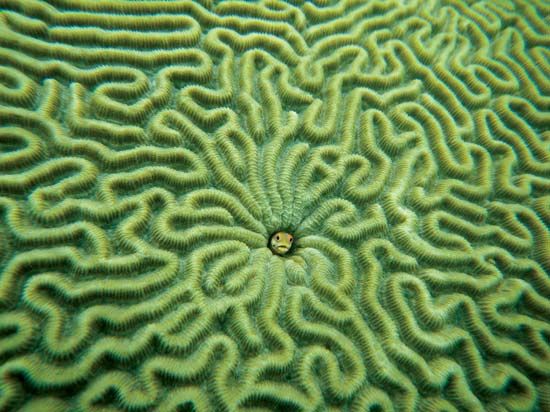
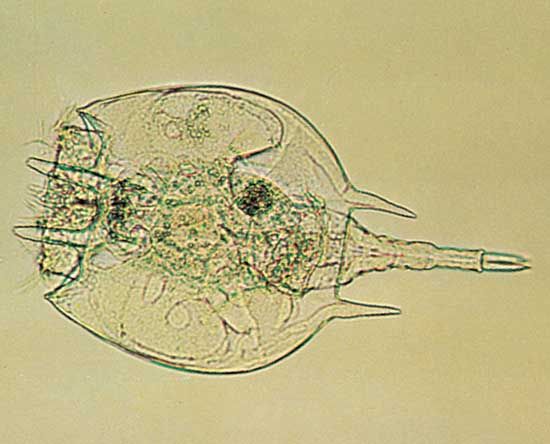
Research suggests that oil and dispersants act in concert to negatively impact marine ecosystems. For instance, laboratory studies have shown that the combination of these substances makes coral reproduction more difficult, as larvae attach to mature corals at significantly reduced rates when exposed to them. Furthermore, both oil and dispersants have been found to be fatal to rotifers, which are microorganisms essential to the food web.
Additionally, the use of dispersants can alter the microbial landscape of the ocean. A modeling study indicated that the activity of oil-eating microbes was negatively impacted by blooms of other microbial species that preferentially feed on the dispersants themselves. While chemical surfactants and solvents are used to accelerate the natural dispersion of oil slicks, their presence remains a factor in the overall toxicological profile of a spill site.34
What are some other major environmental disasters caused by human activity?
Human activity has been the primary driver of numerous environmental disasters, often resulting in severe long-term consequences for both ecosystems and human health. Several high-profile examples include:
- Chernobyl disaster (1986): The worst accident in the history of nuclear power generation, caused by a combination of flawed reactor design and the disregard of safety procedures. It released massive amounts of radioactive material into the atmosphere, contaminating millions of acres of land and causing long-term health crises.5
- Bhopal disaster (1984): An industrial accident in India where 45 tons of methyl isocyanate gas leaked from a pesticide plant. It resulted in the deaths of 15,000 to 20,000 people and left hundreds of thousands with chronic health issues due to exposure.6
- Aral Sea Shrinkage: Beginning in the 1960s, Soviet irrigation policies diverted the rivers that fed this once-large saltwater lake. The resulting collapse of the fishing industry and the exposure of toxic, pesticide-laden seabed dust led to severe regional health problems, including high rates of cancer and anemia.78
- Love Canal: In the 1940s and 1950s, thousands of tons of toxic waste were buried in a canal in New York. By the 1970s, the chemicals leaked to the surface, causing high rates of birth defects, cancer, and other illnesses among residents.9
- Minamata Mercury Poisoning: In the 1950s, industrial mercury waste dumped into Minamata Bay entered the food chain, causing severe neurological damage and death among the local population who relied on seafood.9
- Exxon Valdez oil spill (1989): A massive crude oil spill in Alaska that polluted over 1,300 miles of shoreline and caused the deaths of hundreds of thousands of seabirds and numerous marine mammals.10
Beyond these specific events, human activities such as overharvesting, pollution, and the destruction of natural habitats are currently driving extinction rates 1,000 to 10,000 times higher than natural background levels.11
How does the Gulf of Mexico food web function and why is it so sensitive?
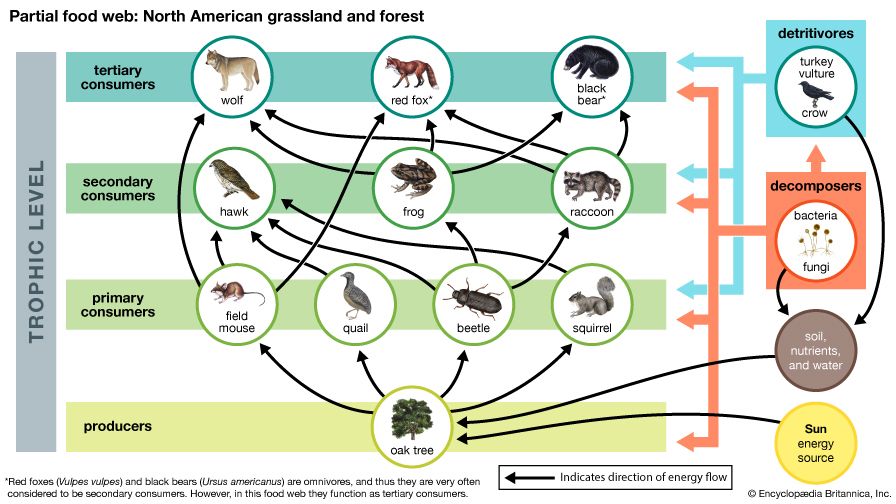
The food web of the Gulf of Mexico is a complex, interconnected system rooted in primary production within the photic zone. This surface layer allows photosynthesis to occur, supporting phytoplankton—the “grass of the sea”—which serve as the foundation for the entire food web.1314
How the Food Web Functions
The system relies on a microbial base where bacteria and protists perform the majority of primary production. These are consumed by zooplankton, which in turn support larger species, including commercially vital fish like menhaden, shrimp, and red snapper. Higher-level predators, such as tuna and sea turtles, depend on these smaller links to survive.141331
Why the System is Sensitive
The Gulf is highly vulnerable to human-induced disruptions due to several factors:
- Pollution and Eutrophication: Runoff from the Mississippi River introduces massive amounts of fertilizers, leading to hypoxia (oxygen depletion) and harmful algal blooms that suffocate marine life.15
- Industrial Contamination: Large-scale events like the Deepwater Horizon oil spill demonstrate the fragility of the web. Contaminants can cause heart defects in fish larvae, disrupt coral reproduction, and lead to long-term population declines in cetaceans.116
- Habitat Loss: The destruction of mangroves and wetlands removes critical nurseries for many species, further destabilizing the ecosystem’s ability to recover from environmental shocks.15
Sources
- Deepwater Horizon oil spill - Aftermath and impact — Encyclopædia Britannica
- Deepwater Horizon oil spill — Encyclopædia Britannica
- Deepwater Horizon oil spill - Environmental costs — Encyclopædia Britannica
- oil spill - Oil-spill cleanup — Encyclopædia Britannica
- toxic waste - Hazards — Encyclopædia Britannica
- Bhopal disaster — Encyclopædia Britannica
- Chernobyl disaster — Encyclopædia Britannica
- Exxon Valdez oil spill — Encyclopædia Britannica
- Aral Sea — Encyclopædia Britannica
- 6 Lakes That Are Drying Up - Aral Sea — Encyclopædia Britannica
- natural disaster - Types — Encyclopædia Britannica
- extinction: Top Questions — Encyclopædia Britannica
- commercial fishing - The oceans — Encyclopædia Britannica
- Gulf of Mexico / Gulf of America - Plants and animals — Encyclopædia Britannica
- Gulf of Mexico / Gulf of America - Study and the impact of human activity — Encyclopædia Britannica
- Marine ecosystem - The pelagic food chain — Encyclopædia Britannica
Published on · 4 min read