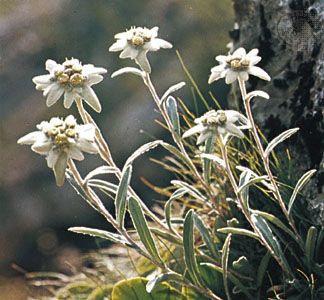
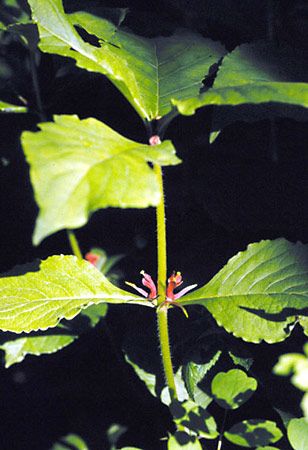
Gentian
A gentian is any of approximately 400 species of flowering plants belonging to the genus Gentiana within the family Gentianaceae. These plants are primarily…
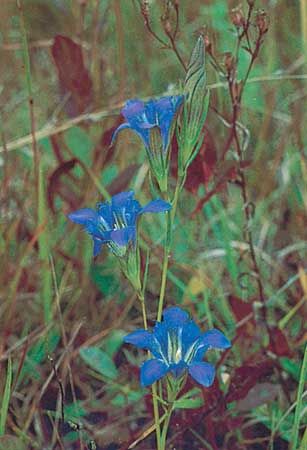
What is a gentian plant and what are its defining characteristics?
A gentian is any of approximately 400 species of flowering plants belonging to the genus Gentiana within the family Gentianaceae. These plants are primarily found in temperate and alpine regions worldwide, often thriving in moist meadows and mountain environments where they have access to consistent water.12
Defining Characteristics
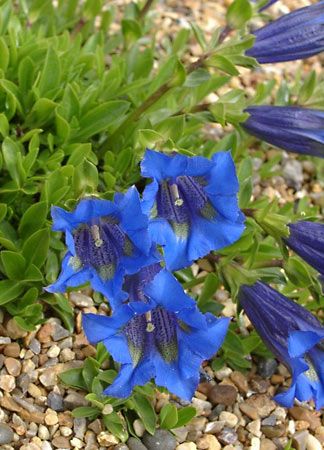
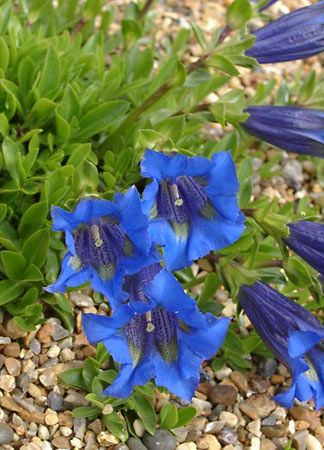
- Flowers: Gentians are renowned for their vibrant, often “gentian blue” or purplish-blue blossoms, though they can also appear in yellow, white, red, or violet. The four or five petals are typically united to form a characteristic trumpet, funnel, or bell shape.123
- Growth Habit: Most are annual or perennial herbs, though the broader family includes some shrubs. They generally feature leaves that grow opposite each other on the stem and often lack leafstalks.12
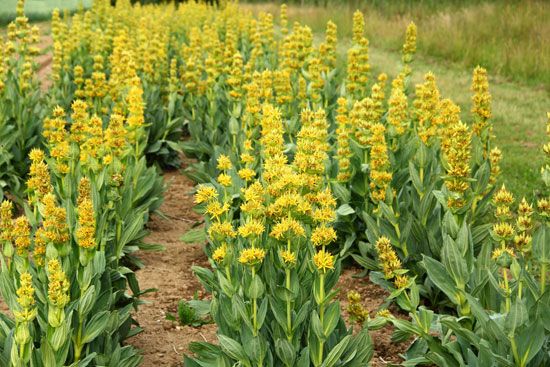
- Uses: Historically, the tough, fibrous roots of certain species, such as Gentiana lutea, have been used in herbal medicine and as flavoring for bitters and liqueurs. Some species have also served as sources for natural dyes.12
How are gentians cultivated for ornamental purposes in gardens?
Gentians are popular garden ornamentals valued for their vibrant, often intense blue flowers. While specific cultivation requirements vary by species, they are generally propagated through sexual or asexual methods common in horticulture.1452
Propagation Methods
- Sexual Propagation: Growing from seed is a common and cost-effective method for many species. Because gentians are often native to alpine or temperate regions, they may have exacting requirements for germination. Seeds are typically sown in a porous medium—often containing sand or other fillers to ensure high oxygen levels—and require careful moisture monitoring. Due to the risk of soil-borne fungi, the growing medium is frequently sterilized, and seeds may be treated with disinfectants.2
- Asexual Propagation: When seedlings do not reliably produce the desired traits of the parent plant, horticulturists use asexual techniques. This includes division of root structures or the use of cuttings, where stems are rooted in moist media like peat moss or sand.2
Successful cultivation generally mimics the plant’s natural habitat, as many species are moisture-loving and thrive in environments that provide consistent water.31
Where are gentian plants typically found in nature?
Gentian plants are distributed worldwide, primarily inhabiting temperate and alpine regions. They are particularly notable in the mountain ranges of Europe, Asia, North and South America, and New Zealand.1
These moisture-loving plants are typically found in environments such as moist meadows and woods, where they can access underground water during the summer and benefit from protective snow cover throughout the winter. While the majority of the Gentianaceae family is native to northern temperate areas, some members also occur in tropical and subtropical regions. Notably, certain specialized tropical species have adapted to grow in rainforest understories, where they rely on fungal associations rather than photosynthesis.12
What are some common uses of gentian plants in traditional medicine?
In traditional medicine, various species of the gentian family have been utilized for their purported health benefits. The name itself is attributed to Gentius, an ancient king of Illyria, who was said to have discovered the medicinal properties of these plants.1
Key traditional uses include:
- Digestive Health: The tough, fibrous roots of certain gentians, particularly the yellow gentian (Gentiana lutea), have historically been used as a tonic and stomachic to support alimentary health.16
- Flavoring and Bitters: Due to their properties, these roots are frequently used to flavor herbal bitters, aperitifs, and liqueurs, such as vermouth, which are traditionally consumed to stimulate the appetite.163
- Antidotes: Certain species within the tribe Potalieae, found in South America, have been credited with potent medicinal powers, including their use as traditional remedies for poisonous snake bites.3
While these plants have a long history of traditional application, they are also recognized for their biochemical profile, which includes the production of iridoid compounds and xanthones.3
Sources
- Gentian — Encyclopædia Britannica
- Gentianaceae — Encyclopædia Britannica
- Gentianales - Gentianaceae — Encyclopædia Britannica
- horticulture - Propagation — Encyclopædia Britannica
- Propagation — Encyclopædia Britannica
- gentian — Merriam-Webster
Published on · 3 min read