Green Island
There are two notable locations known as Green Island:
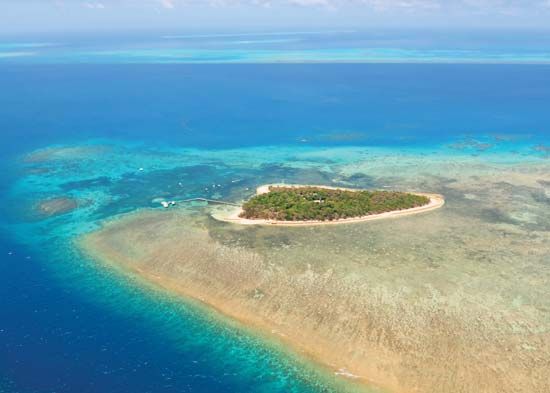
What is Green Island?
There are two notable locations known as Green Island:
- Green Island, Australia: This is a tropical coral cay located in the Great Barrier Reef off the coast of Queensland. Covering 32 acres, it is a designated national park and part of a World Heritage site. It is a popular tourist destination accessible from Cairns, known for its wooded landscape and coral reef viewing facilities.1
- Green Island, Taiwan: Situated off the southeastern coast of Taiwan, this islet has a complex history. While it appears as an idyllic, vegetation-covered landscape today, it served as a site for political prisons, such as the New Life Correction Center, during the White Terror. During this period of authoritarian rule and martial law, thousands of political dissidents were held there.2
How does the Great Barrier Reef support marine life?
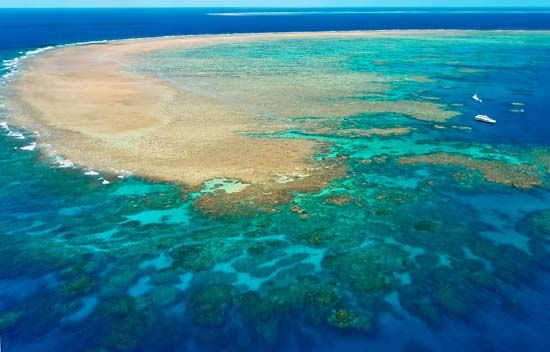
The Great Barrier Reef supports a vast array of marine life by providing a complex, structural habitat that functions as one of the most biodiverse ecosystems on Earth, home to approximately 25 percent of all marine species.3
Structural Foundation
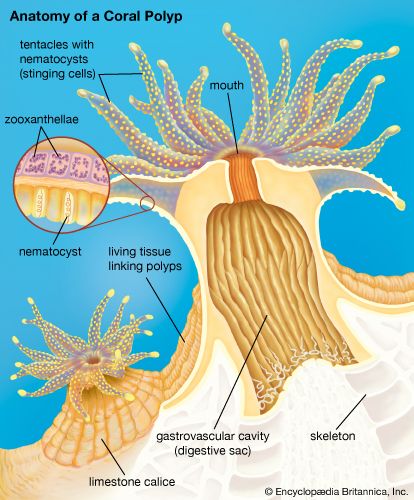
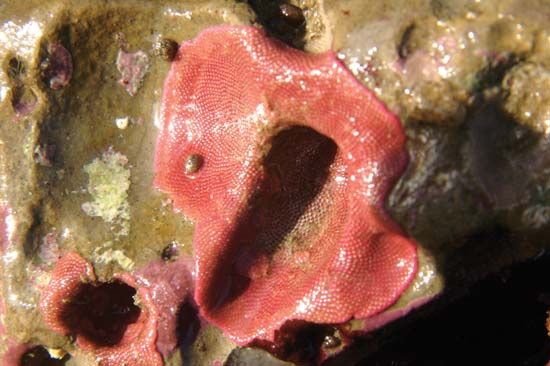
The reef is built over millions of years by coral polyps, which secrete calcium carbonate skeletons. These skeletons, along with coralline algae and bryozoans, create a rigid framework that serves as the “bricks and mortar” of the reef. This structure offers essential shelter, breeding grounds, and protection for countless organisms.456
Biological Support
- Symbiotic Relationships: The reef’s health relies on zooxanthellae, photosynthetic algae that live within coral tissues. Through photosynthesis, these algae provide energy and nutrients to the coral, which in turn accelerates the growth of the reef structure.53
- Food Web: The shallow, well-mixed waters of the reef support consistent phytoplankton growth, which feeds zooplankton—a primary food source for corals.7
- Biodiversity: The reef hosts over 1,500 species of fishes, 450 species of hard coral, and numerous sea turtles, sponges, and crustaceans.4
What is the significance of being a UNESCO World Heritage site?
A World Heritage site is a location designated by UNESCO as having “outstanding universal value” under the 1972 Convention Concerning the Protection of the World Cultural and Natural Heritage. This designation is significant for several reasons:910
- International Protection: It establishes a framework for global cooperation to preserve and protect cultural and natural treasures. UNESCO provides funding and supervision for restoration efforts, helping to manage sites facing threats like pollution, natural disasters, or urbanization.911
- Economic Impact: Designation often boosts local economies by encouraging tourism.11
- Global Recognition: Sites are recognized as part of humanity’s shared heritage, whether they are cultural (historic buildings, archaeological sites), natural (unique ecosystems or geologic phenomena), or mixed.1211
- Accountability: Sites at risk may be placed on the “List of World Heritage in Danger,” which highlights the need for urgent conservation. Conversely, the destruction of such sites is widely condemned as a war crime, as seen in international efforts to protect heritage from conflict.11
What was the White Terror period in Taiwan?
The White Terror was a period of authoritarian rule and political repression in Taiwan that lasted from 1949 to 1992. Following its defeat in the Chinese Civil War, the Nationalist Party (KMT) fled to Taiwan and established a government in exile, imposing martial law in 1949.142
During this era, the KMT government systematically persecuted political dissidents and civilians, leading to thousands of deaths, imprisonments, and disappearances; estimates of the death toll range from 10,000 to over 30,000. The government utilized martial law to ban opposition parties, enforce strict censorship, and prosecute individuals for alleged crimes such as treason or sedition.142
Social tensions were exacerbated by the arrival of approximately 1.5 million mainlanders (waishengren) who joined the KMT elite, creating friction with the local Taiwanese population (benshengren). The state also enforced a Mandarin-language policy and suppressed public discussion of historical events like the 228 Incident. The period of repression finally concluded when the last laws enabling the White Terror were repealed in 1992.15214
Sources
- Green Island — Encyclopædia Britannica
- White Terror — Encyclopædia Britannica
- Great Barrier Reef — Encyclopædia Britannica
- How and Where Coral Bleaching Is Affecting the Great Barrier Reef — Encyclopædia Britannica
- Coral Bleaching: A Threat to Our Reefs — Encyclopædia Britannica
- coral reef - Corals and other reef-building organisms — Encyclopædia Britannica
- coral reef - Structure — Encyclopædia Britannica
- coral reef - Tropical water conditions — Encyclopædia Britannica
- World Heritage site — Encyclopædia Britannica
- World Heritage site - Designating World Heritage sites — Encyclopædia Britannica
- World Heritage site - Growth of the World Heritage List and challenges to preservation — Encyclopædia Britannica
- UNESCO — Encyclopædia Britannica
- UNESCO: Top Questions — Encyclopædia Britannica
- White Terror - Historical background — Encyclopædia Britannica
- White Terror - Silencing dissent — Encyclopædia Britannica
Published on · 3 min read