Everglades
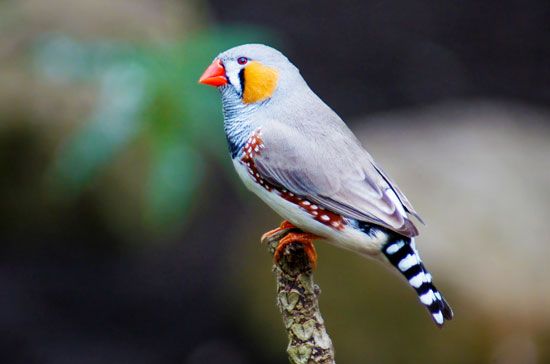
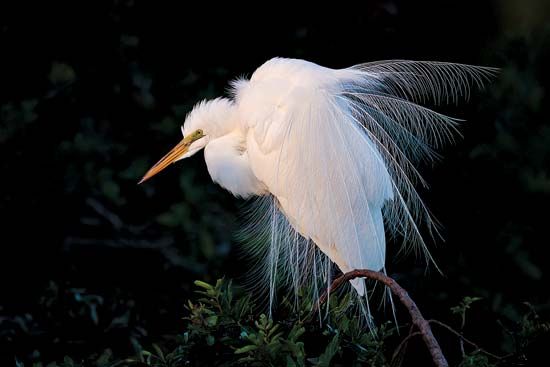
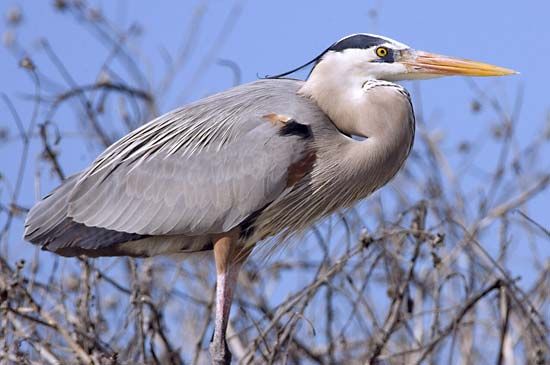
The Everglades is a diverse subtropical ecosystem home to a vast array of native wildlife. Its habitats support more than 350 species of birds, including…
What native species are found in the Everglades, and which ones are endangered?
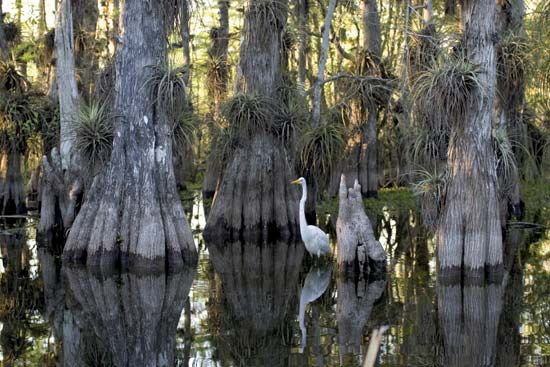
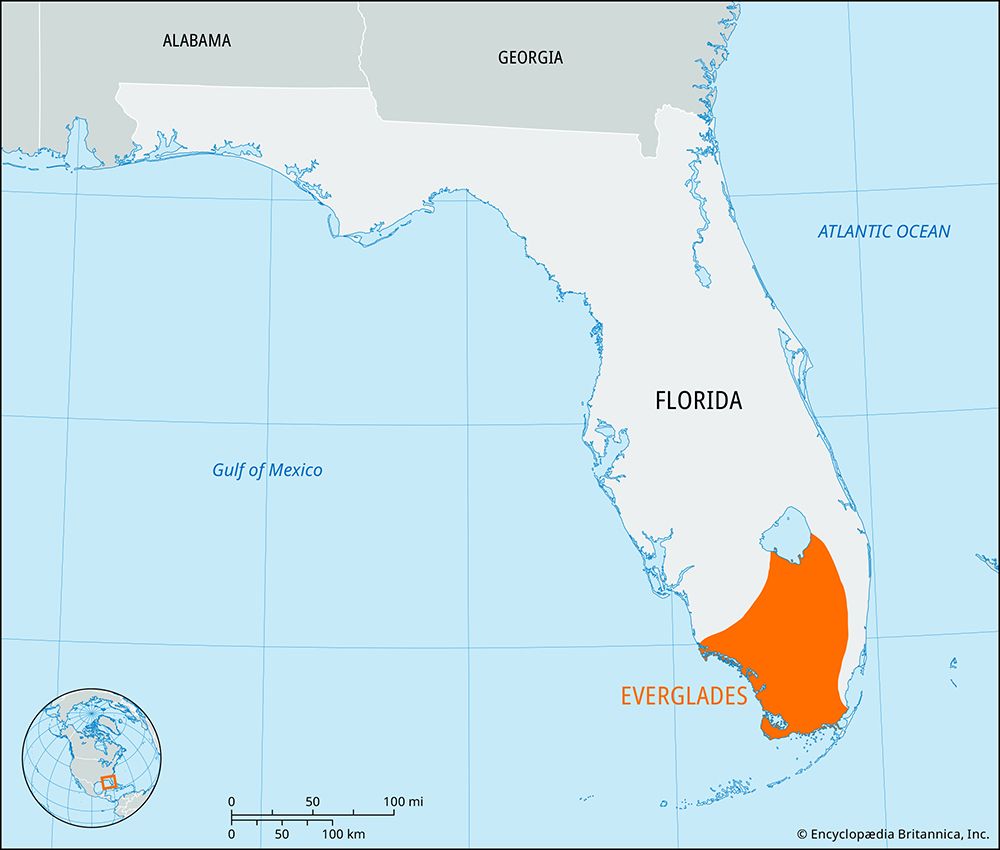
The Everglades is a diverse subtropical ecosystem home to a vast array of native wildlife. Its habitats support more than 350 species of birds, including egrets, herons, osprey, and roseate spoonbills. Native mammals include white-tailed deer, bobcats, and river otters, while the region is famously known for its alligators.12
Several species within the park are classified as endangered, including:
- Florida panther13
- American crocodile12
- Manatee13
- Wood stork13
- Various species of sea turtle13
The ecosystem faces significant threats from invasive species, most notably the Burmese python, which has severely impacted native mammal populations. Conservation efforts, such as the Comprehensive Everglades Restoration Plan, aim to protect these fragile habitats.12
What role do the Everglades play in Native American history and culture?
The Everglades, known to early Native Americans as Pa-Hay-Okee, or “Grassy Water,” served as a vital landscape for hunting, fishing, and transit via dugout canoes. Before the 18th century, the region was inhabited by the Calusa and Tequesta peoples, though they were largely displaced following European contact.4
In the late 1700s, Creek migrants moved into the area, becoming known as the Seminole. The wetlands provided a crucial sanctuary, offering protective isolation from colonial encroachment. The Seminoles adapted to this environment by developing the “chickee”—an open-sided, thatched-roof dwelling designed for ventilation—and cultivating crops like corn, beans, and squash on higher ground. The region also became a refuge for others escaping slavery and power struggles between colonial forces.54
Following the Second Seminole War, most were forcibly removed to Indian Territory. However, some remained in Florida, and the Miccosukee tribe has continued to make their home in the Everglades into the 21st century.453
How does the Everglades National Park contribute to conservation efforts?
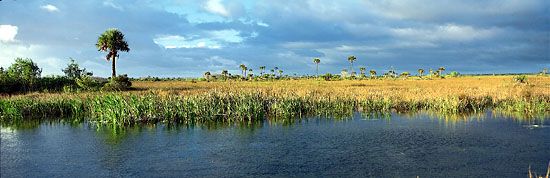
Everglades National Park plays a critical role in preserving the largest subtropical wilderness in the United States through a combination of international designations, habitat management, and large-scale restoration initiatives.26
Global Recognition and Protection
The park is globally recognized for its ecological significance, holding designations as a UNESCO Biosphere Reserve and World Heritage site. Additionally, it is classified as a Ramsar Wetland of International Importance, which highlights its vital role in supporting diverse ecosystems and endangered species like the Florida panther and American crocodile.26
Restoration and Management
To combat historical habitat degradation caused by artificial drainage and pollution, the National Park Service and federal partners are implementing the Comprehensive Everglades Restoration Plan (CERP). This massive effort aims to:
- Restore natural water flow by removing levees and modifying infrastructure, such as the Tamiami Trail bridge project.26
- Manage invasive species, specifically the Burmese python, through specialized removal programs involving trained dogs.2
- Improve water quality and distribution to protect native flora and fauna from the impacts of agricultural runoff and urban encroachment.26
How have restoration efforts been implemented to protect and preserve the Everglades?
Restoration efforts for the Everglades have evolved from early 20th-century wildlife protections to comprehensive, large-scale engineering projects aimed at reversing decades of ecological damage caused by artificial drainage and development.6
Early Conservation Efforts
Initial preservation efforts focused on protecting specific wildlife populations. In the early 1900s, legislation was enacted to protect “plume birds” like herons and egrets from being hunted for their feathers, and alligator hunting was similarly restricted by the 1960s to allow populations to recover. The advocacy of conservationists such as Marjory Stoneman Douglas and Ernest F. Coe was instrumental in shifting public perception of the region from a “useless swamp” to a vital ecosystem, eventually leading to the establishment of Everglades National Park in 1947.62
The Comprehensive Everglades Restoration Plan (CERP)
To address the systemic degradation caused by canals and levees that disrupted natural water flow, the U.S. Congress authorized the Comprehensive Everglades Restoration Plan (CERP) in 2000. This multi-decade partnership between the federal government and the state of Florida includes approximately 50 projects designed to:67
- Restore Natural Hydrology: Remove levees and modify infrastructure to mimic natural water flow, such as the Tamiami Trail bridge project, which facilitates southward water movement.6
- Water Management: Utilize a reservoir system to store and redistribute water, ensuring the health of the environment while supporting agricultural and urban needs.6
- Invasive Species Control: Address the threat posed by the Burmese python through collaborative programs with the National Park Service and other agencies, including the use of trained detection dogs to locate and remove the snakes.27
Sources
- Everglades - Natural environment — Encyclopædia Britannica
- Everglades National Park — Encyclopædia Britannica
- Everglades: Top Questions — Encyclopædia Britannica
- Everglades - Early inhabitants — Encyclopædia Britannica
- Seminole — Encyclopædia Britannica
- Everglades - Development of the Everglades — Encyclopædia Britannica
- Everglades National Park: Top Questions — Encyclopædia Britannica
Published on · 4 min read