How Intelligent Are Dolphins?
Dolphins are widely recognized as highly intelligent animals, exhibiting complex behaviors that suggest advanced cognitive abilities. Their intelligence is…

How intelligent are dolphins?
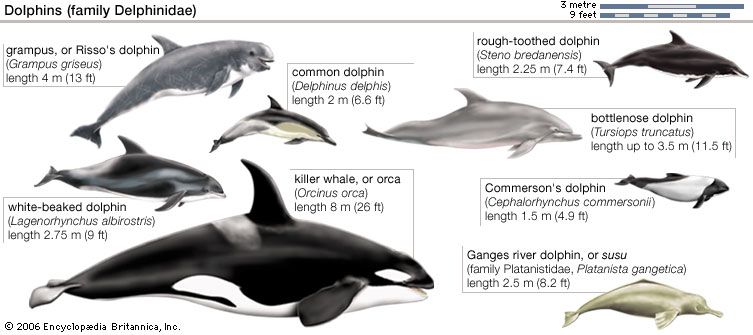
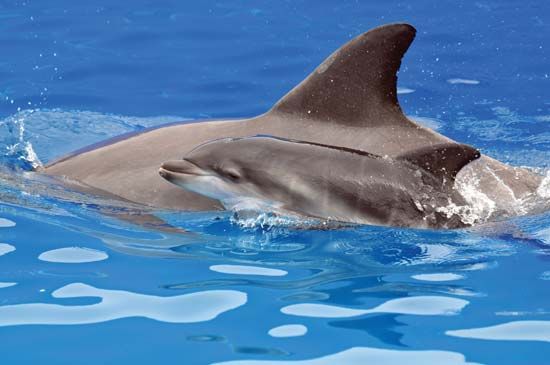
Dolphins are widely recognized as highly intelligent animals, exhibiting complex behaviors that suggest advanced cognitive abilities. Their intelligence is characterized by several key traits:1
- Self-Awareness: Bottlenose dolphins have demonstrated the ability to recognize their reflections in mirrors, a rare trait shared by only a few species, such as great apes and elephants.123
- Social Memory: They possess the longest social memories of any nonhuman species, capable of identifying specific individuals they have not encountered for over 20 years.12
- Communication: Dolphins use a sophisticated system of sounds, including echolocation for navigation and unique “signature whistles” that function like names to identify individuals.12
- Problem-Solving and Tool Use: They engage in complex play and tool use, such as “sponging,” where they use marine sponges to protect their snouts while foraging. Some also exhibit self-medicating behaviors by rubbing against specific corals to access antimicrobial compounds.12
While some researchers point to their large brain size as an indicator of potential intelligence, others note that this may be linked to processing acoustic data.4
How does echolocation help dolphins navigate and hunt?
Echolocation is a sophisticated biological sonar system that allows toothed whales, including dolphins, to navigate and hunt effectively, even in murky water or total darkness.567
How It Works
Dolphins generate sound primarily through a complex system of nasal passages and accessory air sacs located near the blowhole. These sounds, typically emitted as a rapid series of high-frequency clicks, are focused by a fatty structure in the forehead known as the melon. By listening to the echoes that bounce back from objects, dolphins can derive detailed information about their environment, including the size, shape, and distance of objects.5689
Navigation and Hunting
- Spatial Awareness: Dolphins use high-frequency sounds—often reaching 150 kilohertz—to refine their spatial resolution, allowing them to “see” into and through soft objects.56
- Prey Detection: This system is vital for food procurement, enabling dolphins to track and catch fish in conditions where vision is limited or excluded.67
- Precision: The information obtained through echolocation is remarkably detailed, comparable to the visual input a human receives, allowing for precise object discrimination.86
What are some other examples of tool use in the animal kingdom?
Tool use is a fascinating indicator of intelligence across the animal kingdom, demonstrating an animal’s ability to manipulate its environment to achieve specific goals. Beyond the well-known examples of dolphins using sponges to protect their snouts while foraging, several other species exhibit remarkable tool-using behaviors:11
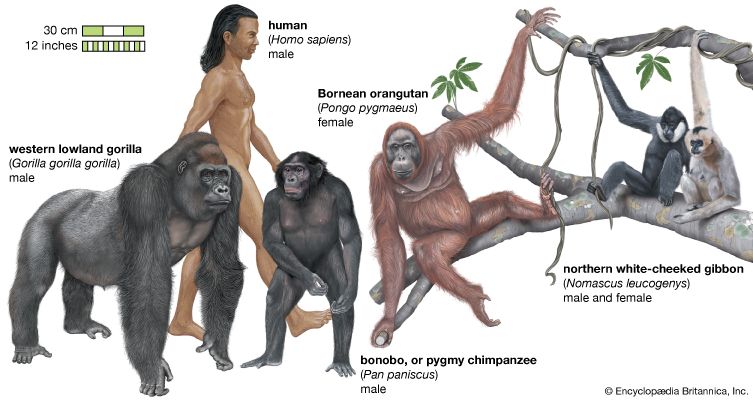
- Chimpanzees: These primates are perhaps the most prolific tool users. They use sticks to “fish” for termites and ants, employ stones and wood as hammers and anvils to crack nuts, and create “leafy sponges” to soak up water for drinking. They are also known to use “tool sets” and “tool composites” in succession to solve complex tasks.123
- Crows: These birds have demonstrated advanced problem-solving skills. In experiments, they have shown the ability to drop pebbles into a water-filled cylinder to raise the water level, allowing them to reach a floating reward.3
- Veined Octopuses: These cephalopods are the first documented invertebrates to use tools. They have been observed collecting coconut half-shells from the seafloor, carrying them, and assembling them to create portable shelters.13
These behaviors highlight that the capacity to use tools is not unique to humans but is a widespread, albeit complex, trait found in various intelligent species.3
How do scientists test for self-awareness in animals?
Testing for self-awareness in animals is a complex challenge in the study of animal cognition, as researchers must rely on observable behaviors to infer subjective mental states.153
The most prominent method used to assess self-awareness is the mirror test. In this experiment, a mark is placed on an animal’s body in a location that is only visible to them via a reflection. If the animal investigates or attempts to remove the mark while looking in the mirror, it suggests they recognize the reflection as themselves rather than another individual.3
Species that have demonstrated this ability include:
- Elephants: Known for their high level of social intelligence and self-recognition.3
- Bottlenose dolphins: These animals exhibit a degree of self-awareness comparable to that of elephants.3
In contrast, many other animals, such as dogs and cats, typically react to their reflection as if it were another animal, suggesting they lack this specific form of self-recognition. While some researchers argue that consciousness and self-awareness are likely present in many social species, others maintain that because these states are private and subjective, they remain difficult to definitively measure through behavioral testing alone.315
Sources
- How intelligent are dolphins? — Encyclopædia Britannica
- bottlenose dolphin — Encyclopædia Britannica
- Which Animal Is the Smartest? — Encyclopædia Britannica
- cetacean - Intelligence — Encyclopædia Britannica
- cetacean - Sound production and communication — Encyclopædia Britannica
- cetacean - Hearing — Encyclopædia Britannica
- sound reception - Echolocation in other mammals — Encyclopædia Britannica
- Movement perception - Auditory — Encyclopædia Britannica
- Echolocation — Encyclopædia Britannica
- ultrasonics - Ranging and navigating — Encyclopædia Britannica
- cephalopod - Behaviour — Encyclopædia Britannica
- chimpanzee - Intelligence — Encyclopædia Britannica
- Bird - Feeding habits — Encyclopædia Britannica
- hand tool — Encyclopædia Britannica
- Animal behaviour - Cognitive mechanisms — Encyclopædia Britannica
- self-awareness — Merriam-Webster
Published on · 3 min read