How Long Do Chicken Eggs Take to Hatch?
Chicken eggs typically require 21 days of incubation to hatch. During this period, a fertilized embryo develops from a cluster of cells into a fully formed…
How long do chicken eggs take to hatch?
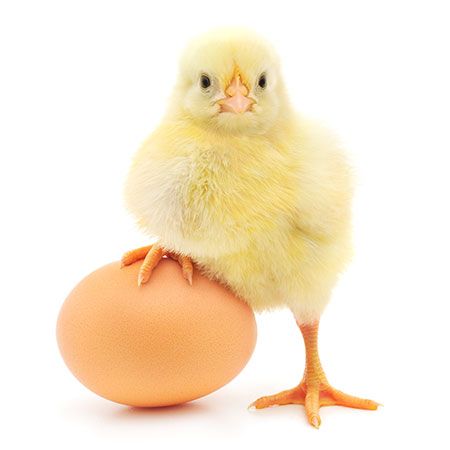
Chicken eggs typically require 21 days of incubation to hatch. During this period, a fertilized embryo develops from a cluster of cells into a fully formed chick.1
Successful development depends on maintaining optimal temperature and humidity levels. Whether under a brooding hen or within incubators used in poultry farming, the eggs must be turned regularly to ensure proper growth. By the end of the 21 days, the chick uses a temporary structure called an egg tooth to break through the shell.1
What is an egg tooth and how does it work?
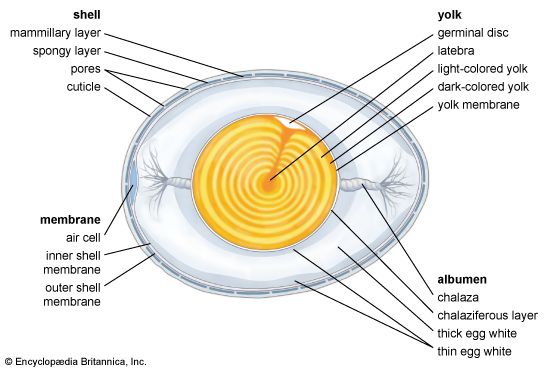
An egg tooth is a specialized structure used by the young of many egg-laying species to break through the eggshell and escape at hatching.23
How It Works
The mechanism of the egg tooth varies by species:
- True Teeth: Some lizards and snakes develop a genuine tooth that projects beyond their regular teeth. This structure is used specifically for hatching and is shed shortly after the animal emerges.23
- Horny Structures: Birds, turtles, and crocodilians possess an analogous, horny structure—rather than a true tooth—that serves the same purpose.23
- Mammals: The only mammals that hatch from eggs, the duck-billed platypus and the echidna, also develop an egg tooth prior to birth to facilitate their exit from the shell.2
By utilizing this temporary tool, young animals can effectively breach the shell, allowing them to hatch efficiently and minimize the time spent in a vulnerable, immobile state.3
Why do eggs need to be turned during incubation?
Turning eggs during incubation is a critical practice that mimics the natural behavior of a brooding hen. In modern poultry farming, incubators are designed to turn eggs at least eight times a day to support the healthy development of the embryo.1
While the provided search results do not explicitly detail the physiological mechanics of why turning is necessary, it is a standard procedure to ensure the embryo does not adhere to the inner surface of the eggshell and to maintain proper orientation for development. This regular movement helps distribute heat evenly and prevents the internal membranes from sticking, which is essential for the chick to successfully reach the end of its 21-day incubation period.14
What are the ideal temperature and humidity levels for hatching?
While the provided search results emphasize that maintaining optimal temperature and humidity levels is essential for successful incubation, they do not specify the exact numerical values for these levels.
The primary purpose of an incubator is to provide a regulated, insulated environment where these conditions can be kept uniform to support the development of the embryo. In nature, birds typically achieve these conditions through body heat transferred via a brood patch, though some species rely on external sources like solar heat or decaying vegetation. Because specific requirements can vary significantly depending on the species being incubated, precise settings are generally determined by the biological needs of the organism in question.1567
Sources
- How long do chicken eggs take to hatch? — Encyclopædia Britannica
- Egg tooth — Encyclopædia Britannica
- Why Don’t Birds Have Teeth? — Encyclopædia Britannica
- Animal development - Adaptations in animals other than mammals — Encyclopædia Britannica
- Bird - Nesting — Encyclopædia Britannica
- Incubation — Encyclopædia Britannica
- Incubator — Encyclopædia Britannica
Published on · 2 min read