Limmen Bight
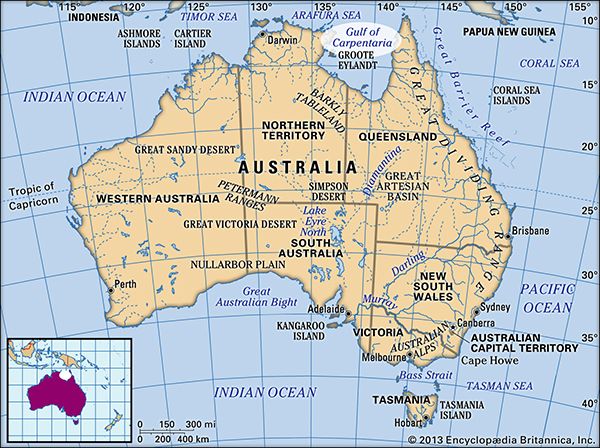
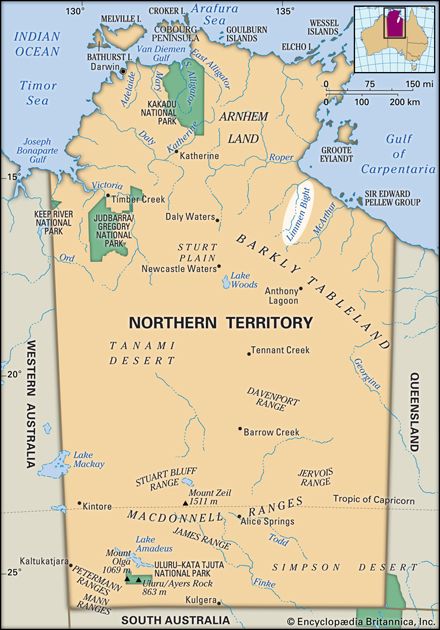
Limmen Bight is an inlet located along the northeastern coast of the Northern Territory in Australia. It is part of the Gulf of Carpentaria and spans 85…
What is Limmen Bight?
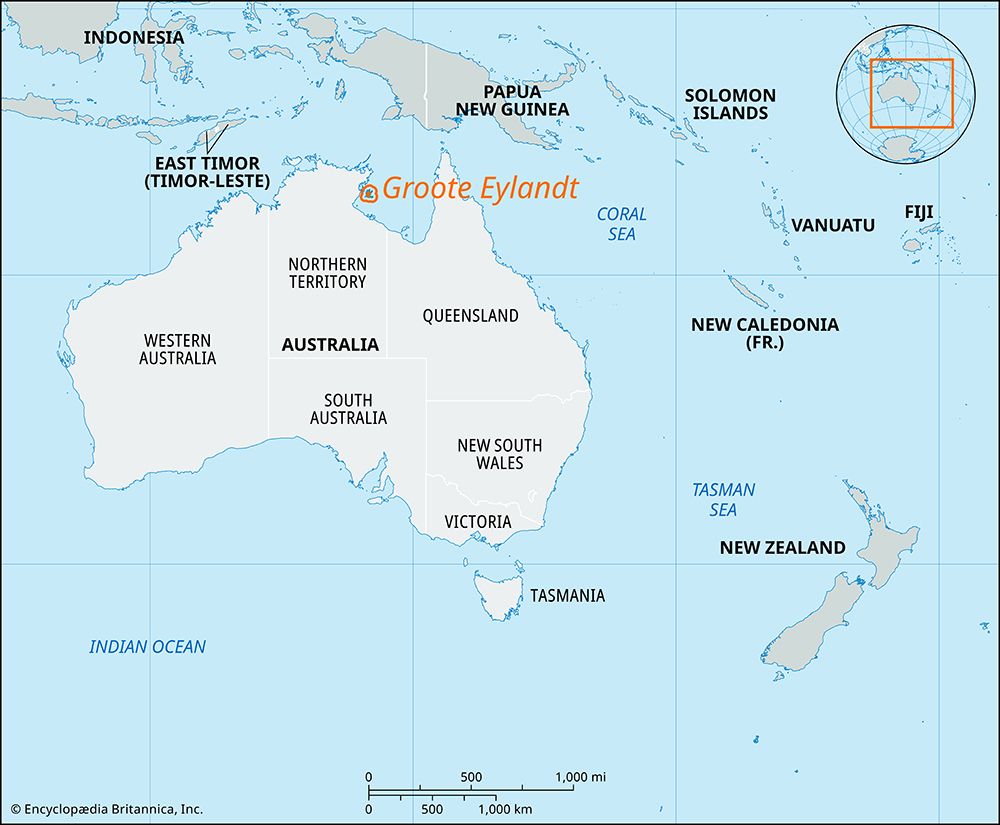
Limmen Bight is an inlet located along the northeastern coast of the Northern Territory in Australia. It is part of the Gulf of Carpentaria and spans 85 miles (135 km) between Groote Eylandt to the north and the Sir Edward Pellew Group to the southeast, encompassing Maria Island within its waters.1
The bight serves as the mouth for several waterways, including the Roper, Towns, and Limmen Bight rivers. Historically, the area was first sighted by the Dutch explorer Abel Tasman in 1644, and its coastline was later charted during the early 19th century by the English navigator Matthew Flinders.1
What is the significance of the Gulf of Carpentaria?
The Gulf of Carpentaria is a shallow, rectangular epicontinental sea that holds significant geological and economic importance. As a rare modern example of a sea resting atop a continent, it provides a unique window into Earth’s geologic history.2
Its significance is defined by several key factors:
- Economic Resources: Since the late 20th century, the region has become a major hub for resource extraction. It contains vast deposits of bauxite—notably at Weipa and the Gove Peninsula—and significant manganese reserves on Groote Eylandt.2
- Commercial Fishing: The gulf supports a thriving prawn fishing industry, with Karumba serving as a primary center for the trade.2
- Regional Infrastructure: The surrounding Gulf Country is vital for the cattle industry, while mining operations for copper, lead, and zinc further bolster the regional economy. These developments have significantly improved transport and communication links in an area that was historically neglected.32
Who was Matthew Flinders and what did he discover?
Matthew Flinders (1774–1814) was a distinguished English navigator and Royal Navy officer who played a pivotal role in mapping the Australian continent.
His primary contributions and discoveries include:
- Circumnavigation of Tasmania: In 1798, alongside George Bass, Flinders circumnavigated Tasmania, proving it was an island and confirming the existence of the Bass Strait.56
- Charting the Australian Coast: As commander of the Investigator, he surveyed the entire southern coast of Australia in 1801–1802. He subsequently charted the east coast and the Gulf of Carpentaria on the north coast.5
- Defining the Continent: Through his extensive voyages, Flinders provided definitive evidence that Australia was a single landmass. He was a strong proponent of the name “Australia” to replace “New Holland,” a change that was officially adopted in 1817.6
Flinders’s legacy is preserved in numerous geographic features named after him or his ship, including the Flinders River in Queensland and the Investigator Strait in South Australia.27
What kind of wildlife lives in the Northern Territory’s coastal regions?
The coastal regions of Australia’s Northern Territory support a diverse array of wildlife, characterized by both terrestrial and marine species adapted to the tropical environment.
Marine and Coastal Fauna
The coastal waters are home to significant marine life, including:
- Reptiles: Both saltwater and freshwater crocodiles are native to the region. The coastal waters also host marine turtles and nearly 100 varieties of snake, more than one-fifth of which are marine species.9
- Marine Mammals: The territory’s waters support nearly two dozen species of marine mammals, including the dugong and the Irrawaddy dolphin.9
- Fish: The barramundi is the most well-known fish species in the region.9
Birds and Other Wildlife
The northern wetlands and coastal areas are particularly rich in birdlife:
- Wading Birds: Wading shorebirds and geese are plentiful in the northern wetlands.9
- Migratory Species: Many coastal birds are migratory, spending only part of the year in the territory.9
- Amphibians: Notable species include the ubiquitous green tree frog and the magnificent tree frog.9
Sources
- Limmen Bight — Encyclopædia Britannica
- Gulf of Carpentaria — Encyclopædia Britannica
- Gulf Country — Encyclopædia Britannica
- Cape York Peninsula — Encyclopædia Britannica
- Matthew Flinders — Encyclopædia Britannica
- Australia - Later explorations — Encyclopædia Britannica
- Flinders River — Encyclopædia Britannica
- Investigator Strait — Encyclopædia Britannica
- Northern Territory - Plant and animal life — Encyclopædia Britannica
- Northern Territory: Country Facts — Encyclopædia Britannica
- Australian Capital Territory - Plant and animal life — Encyclopædia Britannica
- Andaman and Nicobar Islands - Plant and animal life — Encyclopædia Britannica
Published on · 3 min read