Mahimahi
The mahimahi (Coryphaena hippurus) is a species of open-ocean fish found in tropical and subtropical ocean waters. Often called dolphinfish or dorado, it is…
What is a mahimahi?
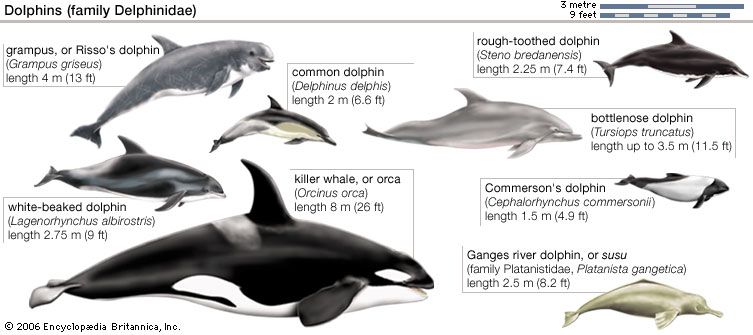
The mahimahi (Coryphaena hippurus) is a species of open-ocean fish found in tropical and subtropical ocean waters. Often called dolphinfish or dorado, it is unrelated to the marine mammal known as a dolphin. The name “mahimahi” is Hawaiian for “very strong,” reflecting the fish’s powerful swimming abilities.1
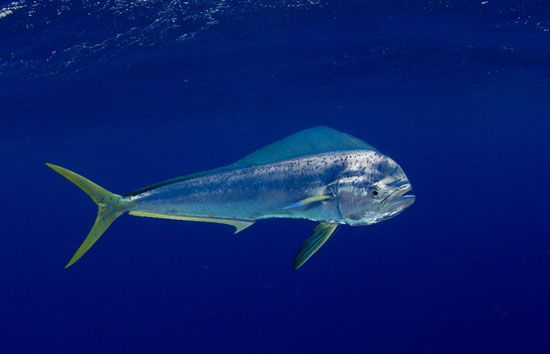
Physically, the mahimahi is recognized by its iridescent gold-and-green coloration, long narrow body, and forked tail. Males are typically larger and feature a prominent forehead. These predatory fish are fast-growing, highly migratory, and can reach speeds exceeding 92.5 km (57.5 miles) per hour while hunting crustaceans, squid, and smaller fish.1
Due to their rapid reproduction and wide distribution, they are classified as a species of least concern by the International Union for Conservation of Nature. They are a popular seafood choice worldwide, though they can occasionally carry toxins if consumed.1
Where does the mahimahi live?
The mahimahi (Coryphaena hippurus) inhabits tropical and subtropical ocean waters worldwide.1
Rather than being deep-sea dwellers, these fish reside near the surface, typically ranging from the surface down to depths of approximately 85 meters (280 feet). They are highly migratory, capable of traveling thousands of kilometers in a single month. In their natural environment, mahimahi are often found congregating under floating debris or patches of Sargassum weed, which provides both shelter and a source of food.1
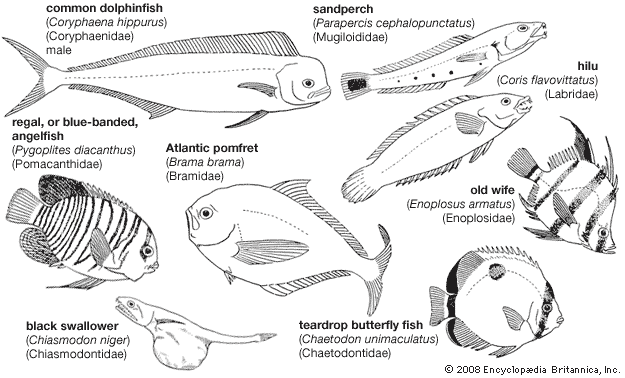
What does the mahimahi look like?
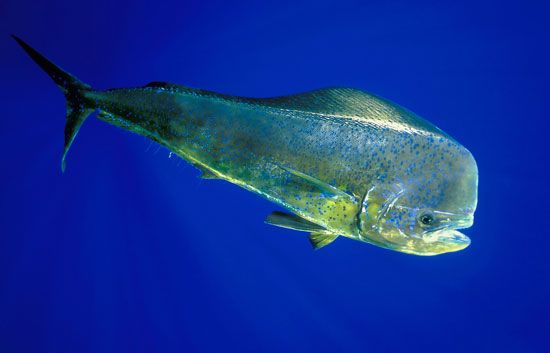
The mahimahi (Coryphaena hippurus) is a visually striking fish known for its iridescent, bold coloration. Its body is long and narrow, featuring a dorsal fin that extends the length of its back and a slender, forked tail.12
Key physical characteristics include:
- Coloration: The body displays vibrant shades of gold and green, accented with patches of blue and silver. Notably, these vivid colors are exceptionally bright when the fish is alive but fade significantly upon death.12
- Head Shape: There is a distinct difference between the sexes. Males possess a large, protruding forehead, while females have a rounder, more blunt head profile.12
- Size: While many adults measure about 1 meter (3.3 feet) in length and weigh around 14 kg (31 pounds), the species can grow much larger. The largest recorded individuals have reached up to 2.1 meters (7 feet) in length and weighed as much as 39.5 kg (87 pounds).1
What does the mahimahi eat?
The mahimahi is a highly active predator that relies on its impressive speed—reaching over 92.5 km (57.5 miles) per hour—to hunt for prey. Its diet primarily consists of:
- Small fishes: A staple of their predatory behavior.
- Crustaceans: Various crustaceans are frequently consumed.
- Squid: These cephalopods are a common part of their diet.
In addition to active hunting, mahimahi may feed on organisms associated with patches of Sargassum weed, which they often use for shelter. Furthermore, in captive environments, the species has been observed engaging in cannibalism.1
Sources
- mahimahi — Encyclopædia Britannica
- dolphin — Encyclopædia Britannica
- mahi-mahi — Merriam-Webster
Published on · 2 min read