Mosquito Fern
The mosquito fern (Azolla) offers significant ecological and agricultural benefits, primarily through its symbiotic relationship with the cyanobacterium…
What ecological benefits or potential drawbacks are associated with mosquito ferns in their habitats?
The mosquito fern (Azolla) offers significant ecological and agricultural benefits, primarily through its symbiotic relationship with the cyanobacterium Anabaena azollae.
Ecological and Agricultural Benefits
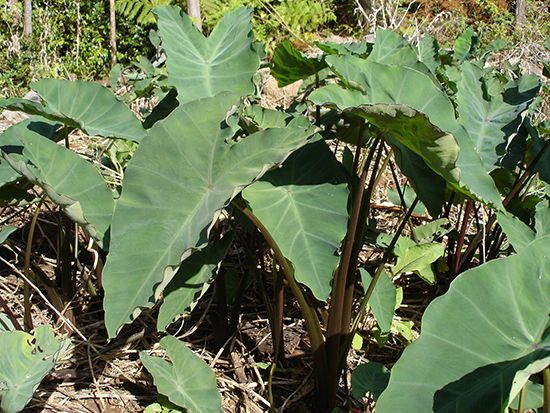
- Natural Fertilization: The cyanobacteria living within the fern’s leaves perform nitrogen fixation, converting atmospheric nitrogen into nitrate. When the fern dies, this nutrient is released, acting as a natural fertilizer that enhances the productivity of rice paddies and other crops like taro.12
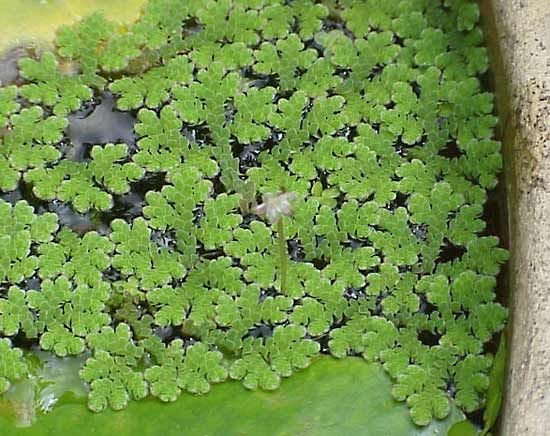
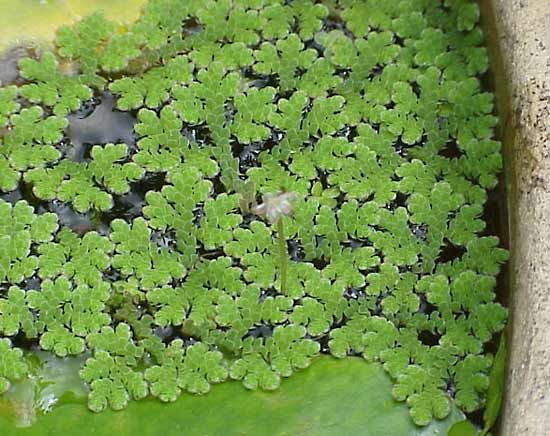
- Insect Control: The plant’s common name refers to its ability to form a dense mat over the surface of still water. This physical barrier can prevent mosquitoes and other insects from accessing the water to lay their eggs.1
- Feed Source: Beyond its role in soil enrichment, Azolla is utilized as a supplemental feed for livestock and poultry.1
While the provided information highlights these advantages, it does not detail specific ecological drawbacks associated with the plant in its natural habitats.
What are some of the key species within the mosquito fern genus?
The genus Azolla, commonly known as the mosquito fern, consists of approximately six or seven species of small aquatic ferns. While the genus is distributed nearly worldwide, it is most diverse in tropical regions.14
Two notable species within the genus include:
- Azolla pinnata: This species is native to Southeast Asia and has been used for centuries in traditional agriculture, particularly in rice paddies, to enhance grain yields.1
- Azolla filiculoides: An American species that gained agricultural prominence in the late 1970s. It was discovered to be highly effective for nitrogen fixation and demonstrated greater resistance to various diseases compared to other strains.1
These plants are scientifically significant due to their symbiotic relationship with the cyanobacterium Anabaena azollae, which allows them to fix atmospheric nitrogen into a form usable by other plants.14
What is the scientific name for mosquito fern and which family does it belong to?
The scientific name for the mosquito fern is Azolla. It belongs to the family Salviniaceae. While some older or alternative classifications may place it in its own family, Azollaceae, it is most commonly categorized within the Salviniaceae family.6784
In which regions or climates are mosquito ferns typically found?
Mosquito ferns (genus Azolla) are distributed nearly worldwide, though they exhibit the greatest diversity in tropical regions.1
These aquatic ferns typically inhabit still, fresh waters, such as ponds and other calm bodies of water. They are often found floating on the surface, though they may occasionally become stranded on muddy banks.1
Sources
- Mosquito fern — Encyclopædia Britannica
- Fern - Importance to humans — Encyclopædia Britannica
- mosquito - Mosquito control — Encyclopædia Britannica
- Salviniales — Encyclopædia Britannica
- list of ferns — Encyclopædia Britannica
- mosquito fern — Merriam-Webster
- Azolla — Merriam-Webster
- Salviniaceae — Merriam-Webster
Published on · 2 min read