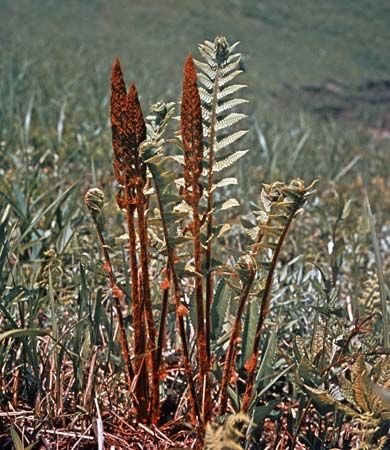
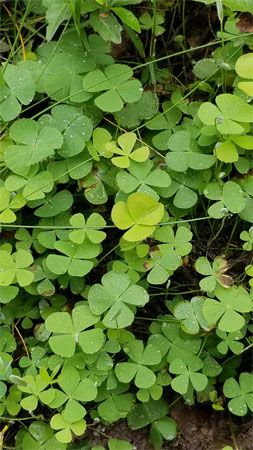
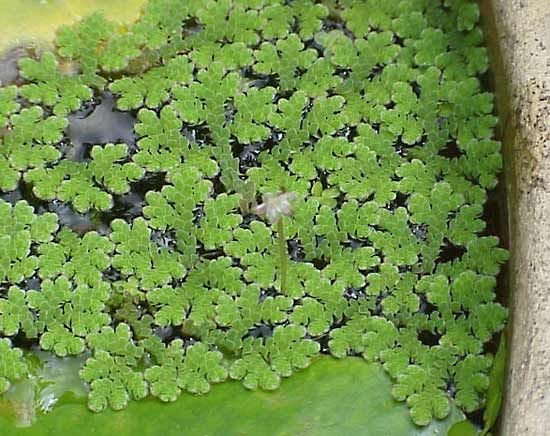
Tectariaceae
Tectariaceae, commonly known as the halberd fern family, is a group within the order Polypodiales that includes approximately 7–10 genera and about 230…
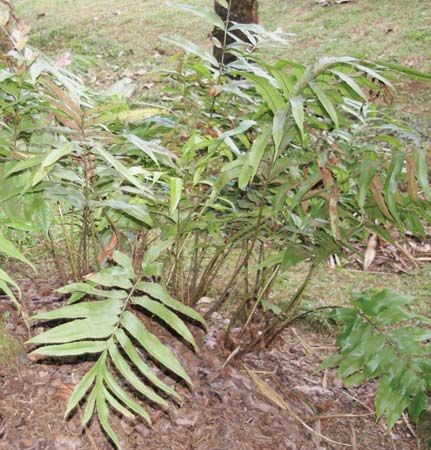
What is Tectariaceae?
Tectariaceae, commonly known as the halberd fern family, is a group within the order Polypodiales that includes approximately 7–10 genera and about 230 species. While distributed nearly worldwide, this family reaches its greatest diversity in tropical regions.1
The majority of these species belong to the genus Tectaria, which is recognized as one of the largest fern genera, containing 150 or more species. Members of this family are typically terrestrial or grow on rocks, and they exhibit extremely variable leaf morphology they exhibit extremely variable leaf morphology. Their sori—the clusters of spore-producing structures—are generally round and frequently protected by a membranous flap of tissue known as an indusium. The spores produced by these ferns are bilateral, or bean-shaped.1
What are sori and how do they help ferns reproduce?
Sori (singular: sorus) are complex clusters of sporangia—the specialized organs that produce and house spores—typically found on the undersurfaces of fern fronds2.2
Role in Reproduction
Sori are essential to the fern’s life cycle, which involves an alternation of generations between the dominant asexual sporophyte (the fern plant itself) and the sexual gametophyte.3
- Spore Production: Within the sori, sporangia undergo meiosis to produce haploid spores. Advanced sori often feature “mixed” clusters, where sporangia of different ages develop, allowing for a prolonged period of spore release.435
- Dispersal: Once mature, spores are shed—often explosively—and carried by wind currents to new locations.52
- Gametophyte Development: If a spore lands in a suitable environment, it germinates into a tiny, independent prothallium (gametophyte). This structure produces sperm and eggs, which, upon fertilization, create a new sporophyte.423
Protection
Because sori are vital for reproduction, many ferns have evolved protective structures called indusia—specialized scalelike flaps or cup-shaped tissues—that shield the developing sporangia from drying out or other environmental hazards. In some species, the leaf margin itself rolls over to provide this protection, forming a “false indusium”.526
How do tropical ferns adapt to their environment?
Tropical ferns have evolved a variety of structural and reproductive adaptations to thrive in the diverse and competitive environments of the tropics, particularly within rainforests.
Structural Adaptations
- Epiphytic Lifestyle: In tropical rainforests, many ferns grow as epiphytes on tree trunks and branches. This allows them to access sunlight in the dense, shaded forest, though it requires them to survive without direct contact with soil, relying instead on rain for water and nutrients.78
- Drought Tolerance: Both epiphytic and epipetric (rock-dwelling) ferns often exhibit adaptations similar to desert plants, such as thick, waxy cuticles on their leaves to prevent water loss, and the presence of scales or hairs (trichomes) on their surfaces.7
- Leaf Specialization: Some climbing ferns produce different types of leaves—bathyphylls for vegetative growth and acrophylls for reproduction—to optimize their survival as they ascend toward the canopy.7
- Chemical Defense: Many ferns appear to contain chemical compounds that repel grazers, protecting their fronds from insects and other herbivores.7
Reproductive Adaptations
- Vegetative Reproduction: Much of a fern’s spread is achieved through rhizomes or other vegetative means, allowing for the formation of large, stable clones.7
- Efficient Life Cycles: To exploit brief periods of moisture, some species utilize apogamy, a modified life cycle that bypasses the need for fertilization by swimming sperm.7
- Spore Dispersal: The ability to produce spores allows ferns to colonize new habitats, including remote areas, by utilizing wind currents for long-distance dispersal.79
What are some other common families of ferns?
There are more than 9,000 known species of ferns, which are classified into numerous families based on their evolutionary relationships and physical characteristics. While many families are found in both tropical and temperate zones, some are almost exclusively tropical.1314
Below are some of the major fern families:
- Aspleniaceae: Known as spleenworts, this family includes the walking fern (Asplenium rhizophyllum).13
- Blechnaceae: Commonly referred to as chain ferns.13
- Cyatheaceae and Dicksoniaceae: These families are primarily known as tree ferns, characterized by their arborescent (treelike) habit and trunklike stems.15
- Dryopteridaceae: A large family of shield ferns, including the genus Dryopteris.13
- Hymenophyllaceae: Known as filmy ferns.13
- Marsileaceae: A group of aquatic ferns known as water clovers.13
- Ophioglossaceae: Known as adder’s-tongues.13
- Osmundaceae: The royal fern family, which includes the genus Osmunda.13
- Polypodiaceae: A diverse family of mostly tropical and subtropical epiphytes, including the staghorn fern.1316
- Pteridaceae: The maidenhair fern family, which is ecologically diverse and includes species ranging from floating aquatics to desert rock ferns.1312
- Salviniaceae: Includes the mosquito fern (Azolla).13
Sources
- Tectariaceae — Encyclopædia Britannica
- Fern - The sorus — Encyclopædia Britannica
- Fern - Life cycle — Encyclopædia Britannica
- Plant reproductive system - Ferns — Encyclopædia Britannica
- Fern - The indusium — Encyclopædia Britannica
- lower vascular plant - Reproduction — Encyclopædia Britannica
- Fern - Ecology — Encyclopædia Britannica
- Did you know? — Merriam-Webster
- Fern - Comparisons with leaves of other plant groups — Encyclopædia Britannica
- Tropical rainforest - General structure of the rainforest — Encyclopædia Britannica
- Fern - Tissues — Encyclopædia Britannica
- Fern - Distribution and abundance — Encyclopædia Britannica
- list of ferns — Encyclopædia Britannica
- Fern - Critical appraisal — Encyclopædia Britannica
- Polypodiaceae — Encyclopædia Britannica
- tree fern — Encyclopædia Britannica
- Pteridaceae — Encyclopædia Britannica
Published on · 3 min read