Mouthbreeder
A mouthbreeder is any fish that incubates its eggs or protects its young within its mouth. This form of parental care is found in various species, including…
What is mouthbreeder?
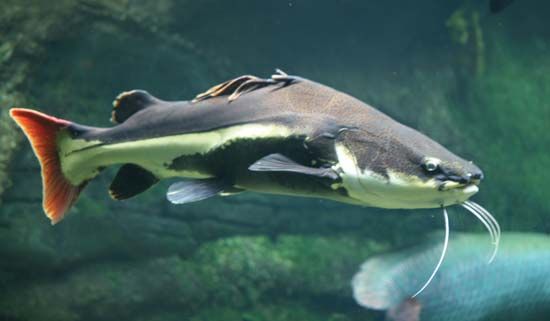
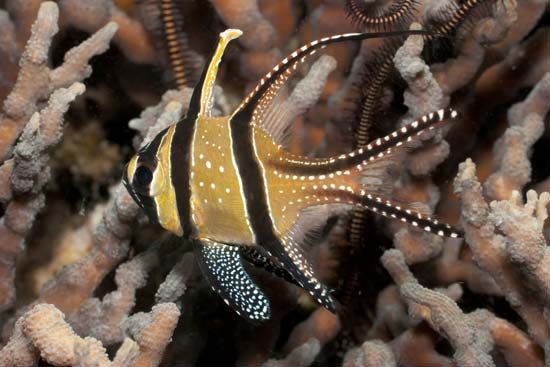
A mouthbreeder is any fish that incubates its eggs or protects its young within its mouth. This form of parental care is found in various species, including certain catfishes, cichlids, and cardinal fishes.1
The specific behaviors vary by species:
- In some cases, such as the sea catfish Galeichthys felis, the male carries fertilized eggs in his mouth until they hatch and the young are several weeks old.1
- Other species, like the arawana, carry their eggs and young in the mouth of one parent.2
- Some species, such as Symphysodon discus, exhibit shared parental care, with both the male and female taking turns holding the eggs in their mouths.1
This strategy ensures a high level of protection for the developing embryos and fry during their most vulnerable stages.12
Why do some fish species choose to mouthbrood their eggs?
Fish species that practice mouthbrooding do so primarily to provide enhanced protection for their offspring during their most vulnerable developmental stages. By incubating eggs and young within the mouth, parents offer a significant defense against predators that might otherwise consume the brood.13
Beyond protection, this behavior serves several critical functions:
- Aeration: Keeping the eggs in the mouth ensures they receive constant aeration, which is essential for the developing embryos.3
- Safety from Environmental Factors: This method shields the young from harsh environmental conditions that could threaten their survival.3
- Responsive Protection: In some species, the relationship extends beyond hatching. The fry may swim in a school near the parent and retreat into the parent’s mouth when danger approaches, emerging only after the threat has passed.3
This strategy is a highly effective form of parental care, ensuring that the young have a better chance of reaching a stage where they can survive independently.13
How do parents manage to eat while carrying eggs in their mouths?
For many mouthbrooding fish, the period of incubation involves a significant trade-off in parental care, as the parent’s mouth is occupied by eggs or developing young. Because the mouth is physically filled, these fish often experience a period of fasting or reduced food intake while they are actively brooding.61
This behavior is a clear example of the costs associated with reproduction. In many species, the parent prioritizes the survival of the offspring over its own immediate nutritional needs. While some species may be able to consume very small amounts of food, the physical constraints of holding a clutch of eggs or a school of fry generally make normal feeding impossible.61
This sacrifice highlights the intensity of parental investment in these species, where the primary benefit—the protection and increased survival rate of the young—outweighs the physiological cost to the parent during the incubation phase.61
What are some other unique ways fish care for their young?
Beyond mouthbrooding, many fish species have evolved diverse and elaborate methods to protect and nurture their offspring. These strategies often involve significant parental investment to ensure the survival of the next generation.910
Nest Building and Guarding
Many fish create specialized environments for their eggs:
- Excavated Nests: Some species, such as cichlids, hollow out depressions in the sand to deposit their eggs. Others, like certain chubs, build massive pyramidal nests out of stones.109
- Constructed Nests: Sticklebacks build nests using plant materials held together by sticky threads excreted by their kidneys. Gouramis are known for blowing clusters of mucus-covered bubbles at the water surface to house their eggs.10
- Active Defense: In many species, the male or female will remain at the nest to clean, fan, and guard the eggs against predators.910
External Attachment
Some species carry their eggs directly on their bodies:
- Abdominal Attachment: Certain banjo catfishes anchor their eggs to spongy tentacles on the underside of the female’s abdomen.9
- Lip Attachment: Some loricariid catfishes carry their eggs attached under their lower lip.9
Specialized Brood Structures
- Brood Pouches: In seahorses and pipefish, the female deposits eggs into a ventral brood pouch located on the male, where the embryos develop until they are ready to hatch.11
Sources
- mouthbreeder — Encyclopædia Britannica
- osteoglossomorph - Life cycle and reproduction — Encyclopædia Britannica
- scorpaeniform - Reproduction — Encyclopædia Britannica
- osteoglossomorph - Form and function — Encyclopædia Britannica
- Reproductive behaviour - Parental care — Encyclopædia Britannica
- Animal social behavior - Social interactions involving the costs and benefits of parental care — Encyclopædia Britannica
- perciform - Life history — Encyclopædia Britannica
- perciform - Feeding behaviour — Encyclopædia Britannica
- ostariophysan - Parental care — Encyclopædia Britannica
- Animal reproductive system - Provisions for the developing embryo — Encyclopædia Britannica
- fish - Reproduction — Encyclopædia Britannica
Published on · 3 min read