Nectary
A nectary is a specialized plant gland found in many angiosperms that secretes nectar, a sugar-rich solution containing sucrose, fructose, and glucose.
What is a nectary in plants?
A nectary is a specialized plant gland found in many angiosperms that secretes nectar, a sugar-rich solution containing sucrose, fructose, and glucose.123
Nectaries are categorized by their location and function:
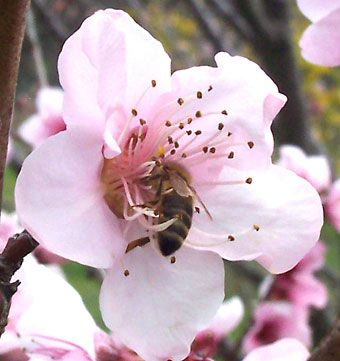
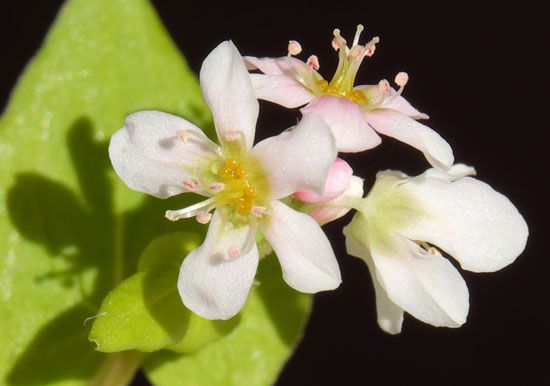
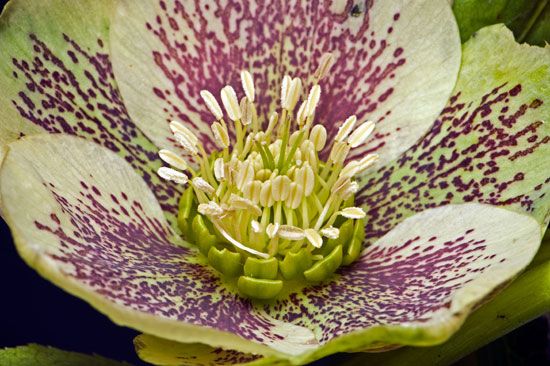
- Floral Nectaries: Typically located at the base of the flower stamens, these glands attract pollinators such as bees, butterflies, and hummingbirds. By drawing these animals into contact with pollen, the plant facilitates pollination.12
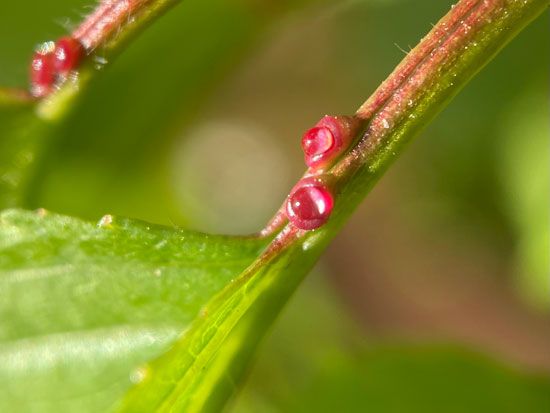
- Extrafloral Nectaries: Found on vegetative structures like stems, leaves, and bracts, these glands often attract insects like ants that defend the plant from herbivores. In some carnivorous plants, such as pitcher plants, nectar is used as bait to lure prey into traps.12
Where are nectaries usually found on a plant?
Nectaries are generally categorized by their location on the plant into two primary types:
- Floral Nectaries: These are typically found at the base of the flower stamens. Rather than being modified stamens, they usually arise from the receptacle or from modified petals.21
- Extrafloral Nectaries: These are located on vegetative structures, including stems, leaves, petioles (leaf stalks), and bracts.21
While floral nectaries primarily function to attract pollinators to facilitate pollination, extrafloral nectaries often serve to attract insects that defend the plant or, in the case of some carnivorous plants, to lure prey.21
What is the main function of a nectary?
The primary function of a nectary is to produce nectar, a sugar-rich secretion that serves as a vital biological reward to facilitate specific interactions between a plant and animals.21
The function of a nectary depends on its location:
- Floral Nectaries: These glands are primarily designed to attract pollinators, such as bees, butterflies, and hummingbirds. By providing a food source at the base of the flower, the plant ensures that visitors come into contact with pollen, thereby promoting cross-pollination.21
- Extrafloral Nectaries: Located on vegetative structures like stems and leaves, these glands typically foster mutualistic relationships. For instance, they attract ants that defend the plant against herbivores. In some carnivorous plants, such as pitcher plants, the nectar serves a different purpose: it acts as bait to lure prey into traps.21
How do nectaries help attract pollinators?
Nectaries help attract pollinators by producing a sugar-rich nectar that serves as a vital food reward for animals such as bees, butterflies, hummingbirds, and bats.12
These glands are strategically positioned at the base of the flower stamens. This placement forces animal visitors to brush against the plant’s reproductive structures, ensuring they come into contact with pollen for transfer to other flowers. To further encourage cross-pollination, many plants secrete only small amounts of nectar at a time, requiring pollinators to visit multiple blossoms to obtain a full meal. This interaction is a classic example of coevolution, where the plant’s reward system and the pollinator’s foraging behavior have evolved in tandem to ensure reproductive success.12
Sources
- Nectar — Encyclopædia Britannica
- Nectary — Encyclopædia Britannica
- nectary — Merriam-Webster
- nectar — Merriam-Webster
Published on · 2 min read