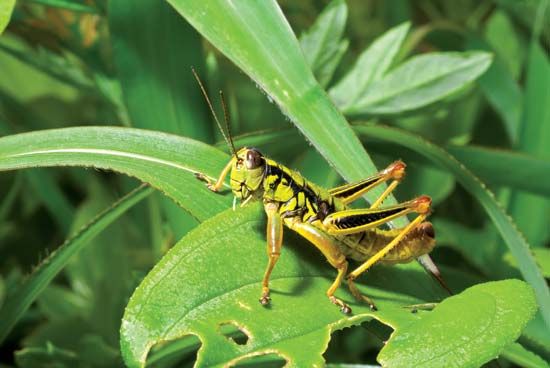
Orthoptera
Orthopterans, an order including grasshoppers, crickets, and katydids, have evolved diverse adaptations to thrive in environments ranging from tropical…
How have orthopterans adapted to different environments around the world?
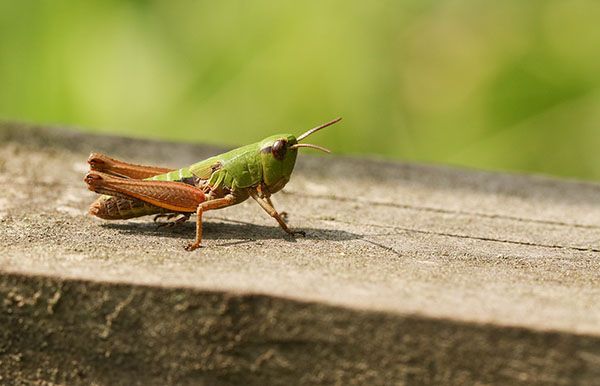
Orthopterans, an order including grasshoppers, crickets, and katydids, have evolved diverse adaptations to thrive in environments ranging from tropical regions to high-altitude mountains and deserts.12
Physical and Behavioral Adaptations
- Movement: While hind legs are primarily used for leaping, some semi-aquatic species have developed broadened, paddle-like tibiae for swimming. Burrowing species, such as mole crickets, possess short, strong front legs with heavy spurs for digging shelters.3
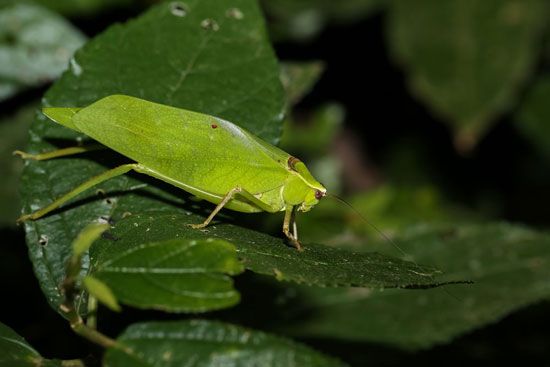
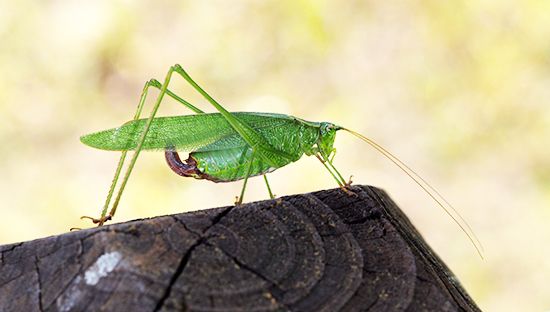
- Camouflage: Many species utilize body shape and color to blend into their surroundings. Some katydids and grasshoppers resemble leaves, while others match the color of sandy or rocky habitats. Certain grasshoppers can even change color in response to temperature or background changes.34
- Defense: Lacking stingers, many orthopterans protect themselves by regurgitating irritating fluids or secreting chemicals from specialized glands.5
- Habitat Specialization: At high altitudes, some grasshoppers have evolved nonfunctional wings, while others in desert environments practice self-burial to escape extreme conditions.32
What are the main predators of orthopteran insects?
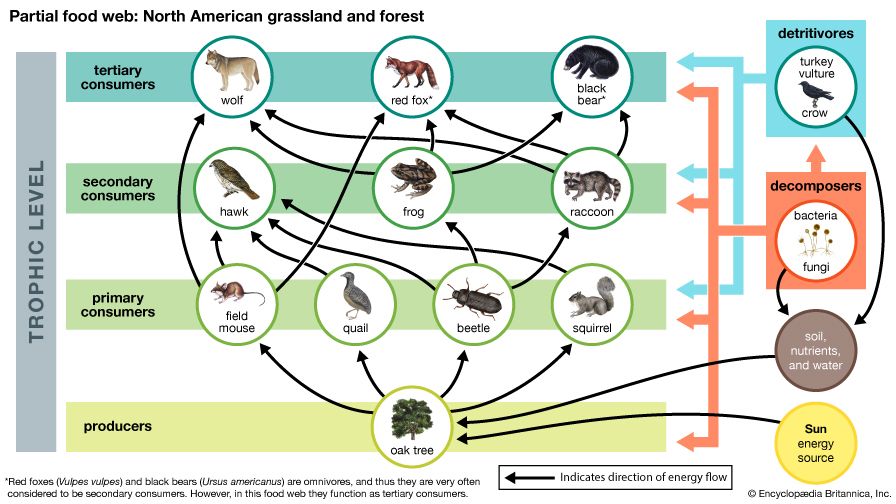
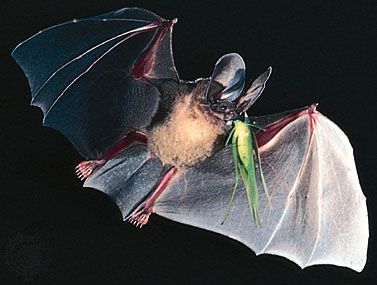
Orthopteran insects, which include grasshoppers, crickets, and katydids, serve as a vital food source within their local food webs. Because they are significant components of many ecosystems, they are preyed upon by a wide variety of animals, including:
- Birds: Many avian species rely on orthopterans as a primary source of nutrition.10
- Reptiles: Various lizards and other reptiles frequently consume these insects.10
- Small Mammals: A range of small mammals include orthopterans in their diets.10
- Spiders: As generalist predators, spiders are common hunters of orthopterans.10
- Other Insects: Predatory insects also target orthopterans as a food source.10
To mitigate the pressure from these predators, orthopterans have evolved various defensive strategies. While they lack stingers, many species protect themselves by regurgitating irritating fluids or secreting chemicals from specialized glands when threatened. Additionally, some species utilize camouflage to blend into their surroundings, helping them avoid detection by predators in the first place.114
How do orthopterans produce their distinctive sounds, and why do they do it?
Orthopterans produce sound primarily through a process known as stridulation, which involves rubbing specific body parts together to create vibrations.14
Mechanisms of Sound Production
- Grasshoppers: These insects typically produce sound by moving their hind legs across their folded front wings (tegmina). The inner surface of the femur features serrations or pegs that rub against raised veins on the wing, creating a characteristic lisping sound. Some grasshoppers also produce a crackling noise, called crepitation, using stiff veins in their hind wings during flight.14
- Crickets and Katydids: Males of these groups use a specialized mechanism on their front wings. One wing features a row of teeth called a “file,” which rasps against a “scraper” on the opposite wing. By lifting their wings and rapidly opening and closing them, they cause a membrane to vibrate, producing sound during the closure.14
Purpose of Sound
Sound production is essential for reproductive success. Males use these “songs” as part of their courtship behavior to attract females. In many species, females are specifically receptive to the unique song of a male of their own species.15
How have orthopterans evolved over time?
The evolutionary history of Orthoptera is ancient, with fossil evidence dating back to the late Carboniferous Period. These insects belong to the neopterous stock, a group believed to include the progenitors of many modern insect orders.13
Evolutionary Timeline and Development
- Early Origins: The suborders Ensifera (crickets and katydids) and Caelifera (grasshoppers) are thought to have diverged as distinct evolutionary lines as early as the Carboniferous.16
- Fossil Record: Ensifera have been present from the Triassic Period to the present. Many early fossil orthopterans were sufficiently distinct from modern species to be classified into separate, now-extinct families.16
- Morphological Changes: Over millions of years, orthopterans underwent significant physical adaptations. By the Eocene Epoch, lineages such as the acrididoids exhibited notable changes, including the reduction of tarsal segments to three, a decrease in the length of the ovipositor, and the development of shorter antennae.16
Scientific understanding of their evolution has been refined through comparative studies of wing venation, reproductive organs, and behavior, which help clarify the relationships between major groups.16
Sources
- Orthoptera — Encyclopædia Britannica
- Orthoptera - Movement — Encyclopædia Britannica
- Orthoptera - Hormones — Encyclopædia Britannica
- Orthoptera - Food — Encyclopædia Britannica
- Orthoptera - Habitat — Encyclopædia Britannica
- Orthoptera - Defense — Encyclopædia Britannica
- Orthoptera - Camouflage — Encyclopædia Britannica
- mimicry - Automimicry — Encyclopædia Britannica
- mimicry - Batesian mimicry — Encyclopædia Britannica
- Orthoptera - Importance — Encyclopædia Britannica
- homopteran - Associations with other insects — Encyclopædia Britannica
- Orthoptera - Ecology — Encyclopædia Britannica
- Orthoptera - Distinguishing taxonomic features — Encyclopædia Britannica
- Orthoptera - Sound production and hearing — Encyclopædia Britannica
- Orthoptera - Courtship behavior — Encyclopædia Britannica
- Orthoptera - Evolution and paleontology — Encyclopædia Britannica
- Orthoptera - Annotated classification — Encyclopædia Britannica
- insect - Insect phylogeny — Encyclopædia Britannica
- sound reception - Behavioral observations — Encyclopædia Britannica
- orthopteran — Merriam-Webster
Published on · 3 min read