Owlet Moth
Owlet moths, which belong to the family Noctuidae, undergo a process called holometabolous development, or complete metamorphosis. This life cycle consists…
What is the life cycle of an owlet moth?
Owlet moths, which belong to the family Noctuidae, undergo a process called holometabolous development, or complete metamorphosis. This life cycle consists of four distinct stages: egg, larva, pupa, and adult.12
- Egg: The cycle begins when the female lays eggs, which eventually hatch into larvae.3
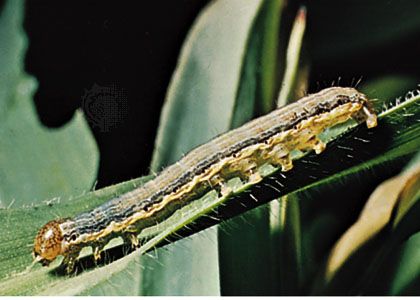
- Larva: This is the primary nutritive stage of the life cycle. Larvae vary significantly in appearance and behavior; some feed on foliage and seeds, while others, such as cutworms and armyworms, may live underground or travel in groups to consume crops. As they grow, they undergo a series of molts.12
- Pupa: Once mature, the larva enters the pupal stage, often within a cocoon made of silk, wood chips, or larval hairs. During this transformation, the insect is reorganized into its adult form.12
- Adult: The adult emerges from the pupa to become the reproductive stage of the life cycle. Adults are typically nocturnal, feeding on substances like nectar or sap to gain energy for flight and mating.14
What are the feeding habits of owlet moth caterpillars and adults?
Owlet moths (family Noctuidae) exhibit distinct feeding habits during their larval and adult stages, primarily focusing on plant-based nutrition.1
Adult Feeding Habits
Most adult owlet moths possess well-developed mouthparts used to consume sweet fluids. They typically feed on nectar, sap, and various fruits to gain the energy required for flight and reproduction.1
Larval Feeding Habits
The larvae are the primary nutritive stage of the life cycle and display diverse feeding behaviors:
- Foliage and Seeds: Many species feed directly on plant leaves and seeds.1
- Boring: Some larvae bore through plant stems and fruits.1
- Root and Stem Consumption: Larvae known as cutworms often feed at night, severing the roots and stems of plants like corn, tomatoes, and beans near the ground. Some, such as the glossy cutworm, live entirely underground to feed on roots.1
- Group Feeding: Armyworms travel in large groups, consuming various crops including cotton, sugarcane, and small grains.1
- Predation: A small number of species are known to prey on scale insects are known to prey on scale insects.1
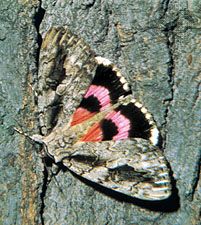
What are the distinguishing features of owlet moths?
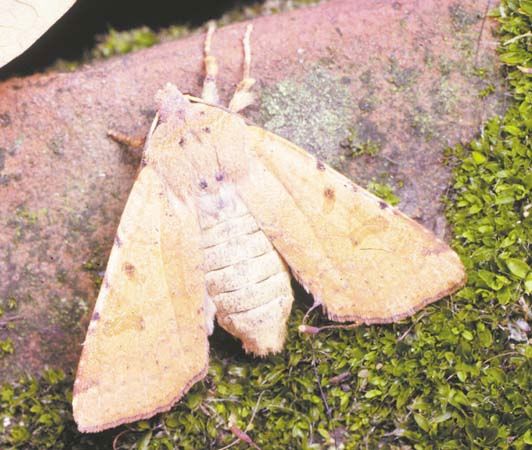
Owlet moths, members of the family Noctuidae, are a diverse group comprising over 20,000 species. They are characterized by several distinct features:
- Physical Build: They are generally triangular in shape with stout, robust bodies. Their wingspans are highly variable, ranging from 0.8 to 30.5 cm (0.3 to 12 inches).1
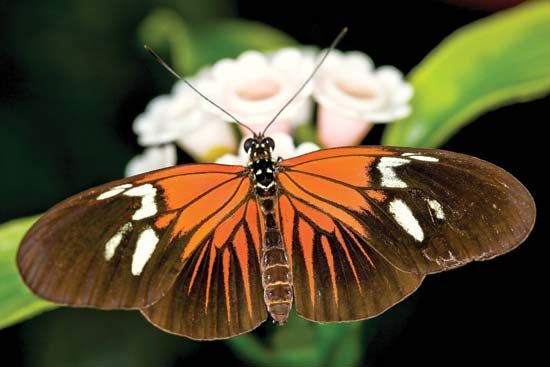
- Coloration: While most species exhibit dull, protective coloration to blend into their environments, some tropical varieties are notably bright and iridescent.1
- Nocturnal Behavior: They are primarily night-flying insects and are frequently attracted to artificial lights.1
- Sensory Organs: A key anatomical feature is the presence of specialized hearing organs located on the thorax. These consist of a tightly stretched membrane protected by an expanded hood.1
- Feeding: Adults possess well-developed mouthparts used to feed on sweet fluids, including nectar, sap, and fruit.1
As members of the order Lepidoptera, they share the general characteristics of moths, such as bodies covered in dustlike scales and a four-stage life cycle.19
What are some common species of owlet moths?
The family Noctuidae, commonly known as owlet moths, includes over 20,000 species. Many of these are recognized by the names of their larval stages, which are often significant agricultural pests. Some common species include:
- Glossy cutworm (Crymodes devastator): A species whose larvae live underground and feed on plant roots.1
- Armyworm (Pseudaletia unipuncta): Known for traveling in large groups and destroying crops such as corn, sugarcane, and cotton. The common armyworm is also referred to as Mythimna unipuncta.111
- Corn earworm (Helicoverpa zea): A cosmopolitan species also known as the cotton bollworm, tomato fruitworm, or vetchworm.1
- Tobacco budworm (Heliothis virescens): A common name for this specific agricultural pest.1
- Army cutworm (Chorizagrotis auxiliaris): A species noted for moving in large groups and causing damage to forage crops and small grains.12
Sources
- owlet moth — Encyclopædia Britannica
- Coleoptera - General features — Encyclopædia Britannica
- insect - Types of metamorphosis — Encyclopædia Britannica
- Lepidoptera - The adult — Encyclopædia Britannica
- homopteran - Scale insects — Encyclopædia Britannica
- Orthoptera - Growth and life span — Encyclopædia Britannica
- neuropteran - Ecology — Encyclopædia Britannica
- Coleoptera - Larval features — Encyclopædia Britannica
- moth — Encyclopædia Britannica
- prominent moth — Encyclopædia Britannica
- armyworm — Merriam-Webster
- army cutworm — Merriam-Webster
Published on · 3 min read