Pickerelweed
Pickerelweed refers to several genera of aquatic plants within the family Pontederiaceae, most notably the genus Pontederia. These perennial plants are…
What is Pickerelweed?
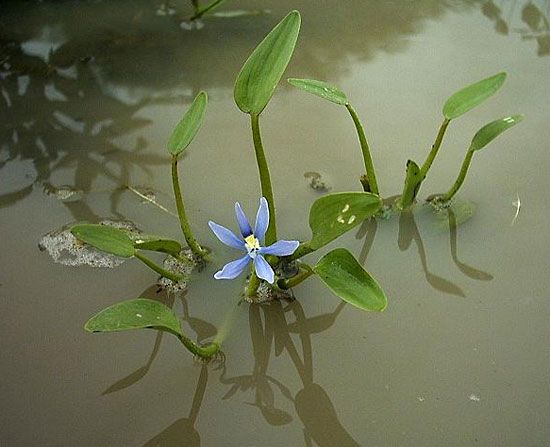
Pickerelweed refers to several genera of aquatic plants within the family Pontederiaceae, most notably the genus Pontederia. These perennial plants are primarily native to tropical America and are characterized by creeping rootstocks and fibrous roots.1
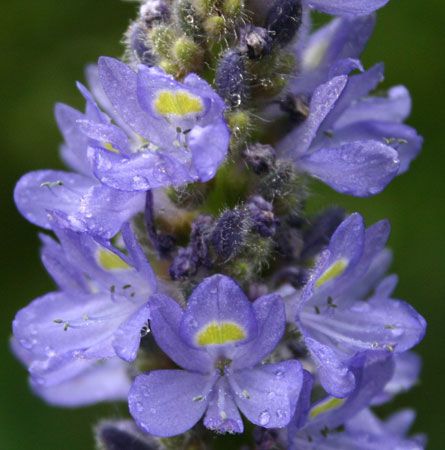
The most common species, Pontederia cordata, is frequently found in shallow lakes and along muddy shores throughout eastern North America. This specific plant is recognized by its clusters of heart- or lance-shaped leaves and spikes of vibrant, bluish-purple flowers. Due to its aesthetic appeal, it is sometimes cultivated as an ornamental addition to garden pools or aquariums. Other well-known members of the same family include the water hyacinth and mud plantain.12
What animals rely on pickerelweed for food or shelter?
Sorry, the Britannica knowledge base does not contain information regarding the specific animals that rely on pickerelweed for food or shelter.
How does water hyacinth compare to pickerelweed?
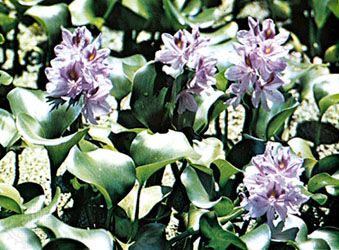
Both pickerelweed and water hyacinth belong to the same family, Pontederiaceae, and are native primarily to tropical America. While they share a botanical lineage, they exhibit distinct physical and behavioral characteristics:
- Growth Habit: Pickerelweed (genus Pontederia) is a perennial that typically features creeping rootstocks and clusters of heart- or lance-shaped leaves at the base of the plant. In contrast, water hyacinth (genus Eichhornia) can either float in shallow water or root in muddy banks, often possessing rosettes of stalked leaves with spongy, inflated leafstalks.
- Reproduction and Impact: Water hyacinth is known for its rapid reproduction, which frequently leads to the clogging of slow-flowing streams. Pickerelweed is generally characterized by its spikes of bluish-purple flowers atop a one-leaved stem.
- Usage: Both are utilized as ornamental plants in garden pools and aquariums, though water hyacinth’s invasive potential in certain environments is a notable distinction.
What are the benefits of growing aquatic plants in garden ponds?
Growing aquatic plants in garden ponds offers several functional and aesthetic benefits for a water garden:
- Water Clarity: Incorporating suitable oxygenating plants is essential for maintaining clear water in a pond.4
- Support for Aquatic Life: These plants provide a necessary environment to support any fish introduced into the garden.4
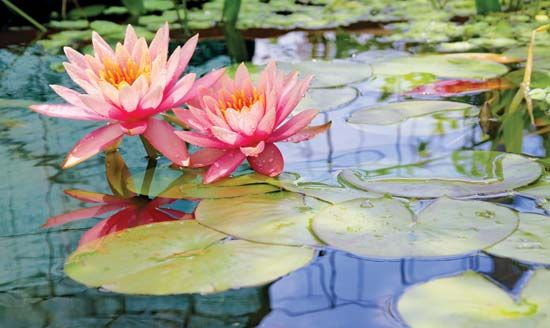
- Aesthetic Appeal: Aquatic plants, such as water lilies, lotus, and papyrus, enhance the beauty of both formal and informal pools.4
- Versatility: The use of moisture-tolerant plants around the edges of a pool—such as irises, ferns, and primulas—allows gardeners to extend the landscape into surrounding damp or boggy soil.4
Whether you are designing a formal pool or an informal water garden, these plants are fundamental to creating a balanced and healthy ecosystem.
Sources
- pickerelweed — Encyclopædia Britannica
- pickerelweed — Merriam-Webster
- water hyacinth — Encyclopædia Britannica
- gardening - Water gardens — Encyclopædia Britannica
Published on · 2 min read