Pintail
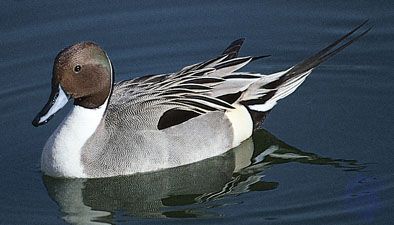
Pintails are a group of four species of dabbling ducks found across various regions of the world. The common pintail (Anas acuta) is widespread throughout…
Where can pintail birds be found in the wild, and what are their preferred habitats?
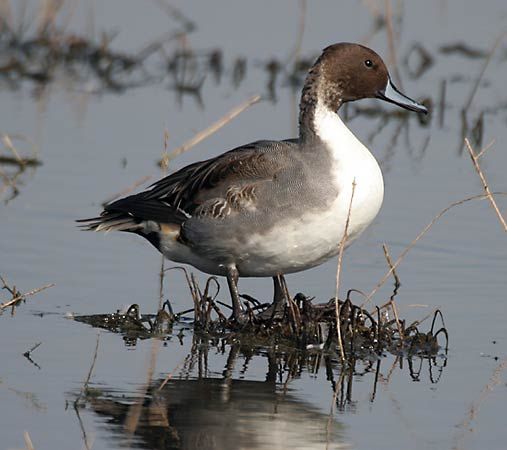
Pintails are a group of four species of dabbling ducks found across various regions of the world. The common pintail (Anas acuta) is widespread throughout the Northern Hemisphere, while other species, such as the brown pintail and the Bahama pintail, are primarily located in South America, and the red-billed pintail is found in Africa.12
Regarding their preferred habitats, pintails typically nest in marshes or on prairies. During migration and wintering periods, these birds are known to congregate in lake and river regions, such as those stretching from Senegal to Sudan in Africa. As long-distance fliers, some populations travel significant distances; for instance, Alaskan common pintails have been known to winter as far away as Hawaii.13
What are the different subspecies of pintail birds, if any?
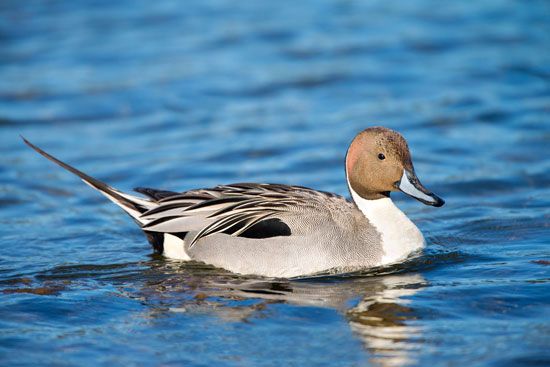
The term “pintail” does not refer to a single species with various subspecies, but rather to a group of four distinct species of dabbling ducks within the genus Anas.1
These four species are:
- Common (or Northern) Pintail (Anas acuta): A widespread species found throughout the Northern Hemisphere, known for being a long-distance flier.1
- Brown Pintail (Anas georgica): Also known as the yellow-billed or Chilean pintail, this species is primarily found in South America.1
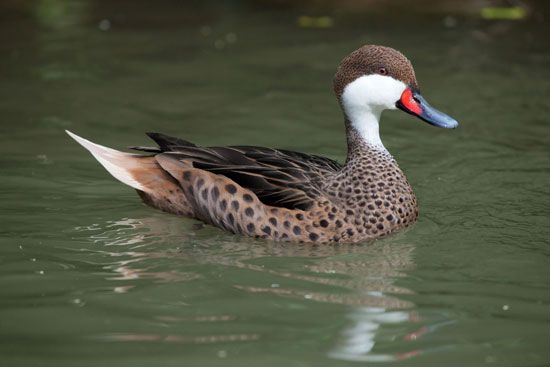
- Bahama Pintail (Anas bahamensis): Also called the white-cheeked pintail, this is another species primarily located in South America.1
- Red-billed Pintail (Anas erythrorhyncha): A grayish species found in Africa, distinguished from its counterparts by its red bill.1
How do pintail birds migrate, and what are their typical migration patterns?
Pintail birds, particularly the common pintail (Anas acuta), are recognized as swift, long-distance fliers. As members of the dabbling duck tribe, they are strongly migratory, often traveling in compact flocks to reach their seasonal destinations.15
Their migration patterns are characterized by a unique social behavior: pairs typically form at their wintering grounds, after which the males follow the females back to their summer breeding ranges. These journeys can be extensive; for example, populations of common pintails that breed in Alaska have been documented wintering as far away as Hawaii. Like other dabbling ducks, they rely on inland waters, such as lakes and rivers, as essential stopovers and wintering sites during their travels.15
What is the diet of a pintail bird, and how does it forage for food?
The preferred diet of the common pintail consists primarily of seeds. As dabbling ducks, pintails are omnivorous and generally feed in or near shallow water, where they also consume aquatic vegetation, grasses, and small invertebrate animals and small invertebrate animals.16
To forage for food, pintails utilize a characteristic behavior known as “tipping up.” Because they are not adapted for deep-water diving, they tip their bodies forward in shallow ponds or marshes, submerging their heads and necks to reach vegetation and other food sources beneath the water’s surface while their tails remain pointed toward the sky. They may also search for food on land or in very shallow water to gather seeds and grasses. Their ability to adapt their diet based on available resources is essential for their survival, particularly during migration when they must rely on different food sources along their travel routes.6
Sources
- Pintail — Encyclopædia Britannica
- Migration - In Europe — Encyclopædia Britannica
- pintail — Merriam-Webster
- Duck — Encyclopædia Britannica
- Dabbling duck — Encyclopædia Britannica
- What do ducks eat? — Encyclopædia Britannica
Published on · 3 min read