What Do Ducks Eat?
Ducks are omnivorous birds that consume a varied diet of plants and animals, depending on their species, habitat, and the season.
What do ducks eat?
Ducks are omnivorous birds that consume a varied diet of plants and animals, depending on their species, habitat, and the season.1
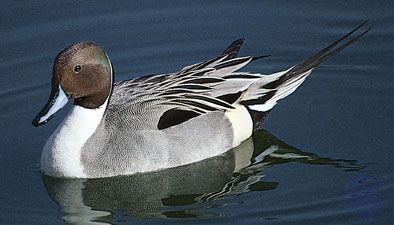
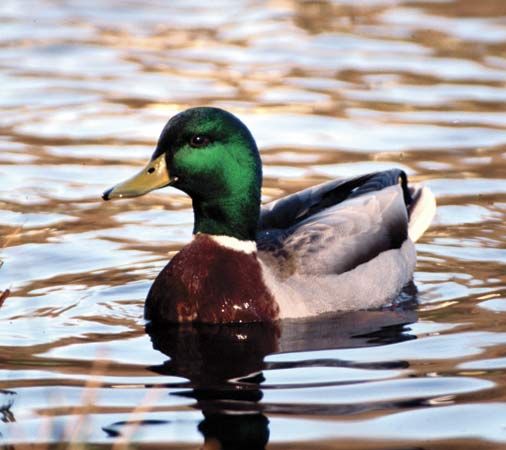
- Dabbling ducks (such as mallards) feed in shallow water or on land, consuming seeds, grasses, aquatic vegetation, and small invertebrates.1
- Diving ducks forage underwater for crabs, mussels, crayfish, and submerged plants.1
- Muscovy ducks eat a wide range of material, including worms, insects, crustaceans, mollusks, small reptiles, and fish.2
It is important to note that feeding ducks bread is harmful. Bread lacks essential nutrients and can lead to malnutrition or health deformities like “angel wing,” which prevents flight. Furthermore, uneaten bread pollutes waterways and disrupts local ecosystems. Domestic ducks are typically provided with a controlled diet of grains, vegetables, and commercial feed.31
What is the difference between dabbling and diving ducks?
The primary difference between dabbling ducks and diving ducks lies in their foraging techniques and physical adaptations for their respective environments.
Foraging Behavior
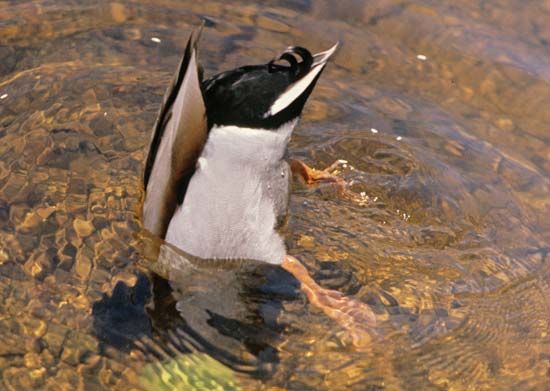
- Dabbling Ducks: These birds feed in shallow water or on land. They are known for “tipping up,” a behavior where they tilt their bodies forward to reach aquatic vegetation beneath the surface without fully submerging. They also forage near shorelines for seeds and insects.15
- Diving Ducks: These ducks are adapted for underwater foraging in deeper waters. They dive to the bottom of lakes, bays, and coastal areas—sometimes reaching depths of over 20 feet—to consume crabs, mussels, crayfish, and submerged plants.16
Physical Adaptations
- Dabbling Ducks: They typically float high in the water and possess flat, broad bills. Their legs are positioned differently than diving ducks, allowing them to be swift fliers that can leap directly into the air from the water.5
- Diving Ducks: These birds feature streamlined bodies and rear-set legs, which serve as efficient propellers for swimming underwater.1
What is angel wing and how does it affect ducks?
Angel wing is a permanent deformity that affects the growth of a duck’s wings. It is frequently caused by a diet high in carbohydrates and low in essential nutrients, such as one resulting from the consumption of bread instead of a natural diet of aquatic plants, insects, and small fish.2
The condition causes the wing feathers to grow abnormally, often resulting in the wing joint twisting outward. This deformity prevents the wings from folding properly against the body, which renders the duck unable to fly. Because flight is essential for escaping predators and migrating, ducks with angel wing face significantly reduced chances of survival in the wild.2
Beyond the physical impact, feeding ducks bread contributes to malnutrition and digestive issues, as the birds fill up on empty calories rather than the proteins, vitamins, and minerals they need to thrive.2
How do ducks adapt their diet during migration?
Ducks adapt their diets during migration to meet the high energy demands required for long-distance travel and to survive in changing environmental conditions.1
Key aspects of these dietary and physiological adaptations include:
- Metabolic Preparation: Prior to migration, ducks undergo significant physiological changes. Their metabolism shifts to facilitate the accumulation of body fat, which serves as a vital energy reserve for flight.7
- Increased Consumption: Food intake typically increases leading up to the migration season, peaking as the birds prepare for departure.7
- Resource Flexibility: Because ecological conditions—such as the availability of insects, seeds, and aquatic vegetation—can be highly variable from year to year, ducks must be opportunistic. They adapt their diet based on the specific food resources available along their migratory routes.17
- Environmental Sensitivity: While internal rhythms and hormones (governed by the pituitary gland) prepare the birds for flight, the actual timing and success of their journey are heavily influenced by the availability of food and favorable weather conditions.7
Sources
- What do ducks eat? — Encyclopædia Britannica
- Why is bread bad for ducks? — Encyclopædia Britannica
- Muscovy duck: Top Questions — Encyclopædia Britannica
- Duck — Encyclopædia Britannica
- Dabbling duck — Encyclopædia Britannica
- Diving duck — Encyclopædia Britannica
- Migration - Physiological stimulus of migration — Encyclopædia Britannica
- Anseriform - Life history — Encyclopædia Britannica
Published on · 3 min read