Protochordate
Protochordates are members of two invertebrate subphyla within the phylum Chordata: the Tunicata (such as sea squirts and salps) and the Cephalochordata…
What are protochordates and how do they differ from other invertebrates?
Protochordates are members of two invertebrate subphyla within the phylum Chordata: the Tunicata (such as sea squirts and salps) and the Cephalochordata (amphioxus).1
Unlike most other invertebrates, which are defined primarily by their lack of a backbone and represent over 30 diverse phyla, protochordates share specific anatomical features with vertebrates. These shared chordate characteristics include:
- Notochord: A stiff supporting rod that serves as the forerunner to the backbone.12
- Hollow dorsal nerve cord: A central nervous system structure.12
- Gill slits: Openings in the pharynx.12
While protochordates possess these advanced features, they differ from vertebrates in that they lack a true vertebral column (backbone). They are considered the closest evolutionary relatives to vertebrates, likely sharing an ancestral stock. While other invertebrates are highly varied and often lack rigid internal skeletons, protochordates are unified by their membership in the chordate phylum, reflecting a distinct evolutionary bridge toward vertebrate life.134
How are protochordates related to vertebrates in terms of evolution?
Protochordates and vertebrates are both members of the phylum Chordata, and they are thought to have evolved from the same ancestral stock. While protochordates lack a backbone, they possess the fundamental chordate features—a notochord, a hollow dorsal nerve cord, and gill slits—that served as the foundation for vertebrate evolution.1
The evolutionary relationship between these groups is a subject of ongoing scientific debate:
- Ancestral Origins: One theory suggests the common ancestor was sessile (attached), similar to a pterobranch, and that vertebrates evolved from a free-swimming larva that achieved sexual maturity. Another theory proposes that chordates evolved from a small fossil group known as the mitrates.1
- Lineage Divergence: It is widely believed that tunicates branched off before the common ancestor of cephalochordates and vertebrates emerged, as the latter two groups share more similarities in neuroanatomy and biochemistry.2
- Developmental Links: The transition from a persistent notochord in protochordates to the ossified vertebral column in advanced vertebrates illustrates a clear evolutionary progression in skeletal structure.5
We could dive deeper into the specific fossil evidence, such as Pikaia gracilens, or explore the competing theories regarding the ancestral chordate form.
Can you explain the three main subgroups of protochordates?
Protochordates are categorized into two primary subphyla within the phylum Chordata: the Tunicata and the Cephalochordata. While your query mentions three subgroups, it is important to clarify that protochordates consist of these two subphyla, with the Tunicata further divided into three distinct classes.17
Subphylum Tunicata (Urochordata)
Tunicates are generally sessile as adults and possess a notochord that is typically restricted to the tail region. They are divided into three classes:7
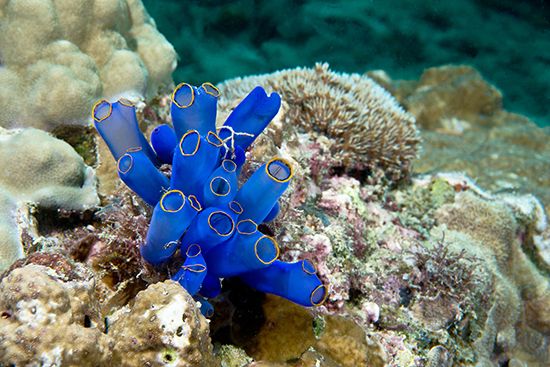
- Ascidiacea: Commonly known as sea squirts, these are sessile, benthic animals that may exist as solitary individuals or in colonies.7
- Appendicularia: These are free-swimming, pelagic organisms that resemble the tadpole larvae of ascidians throughout their lives.7
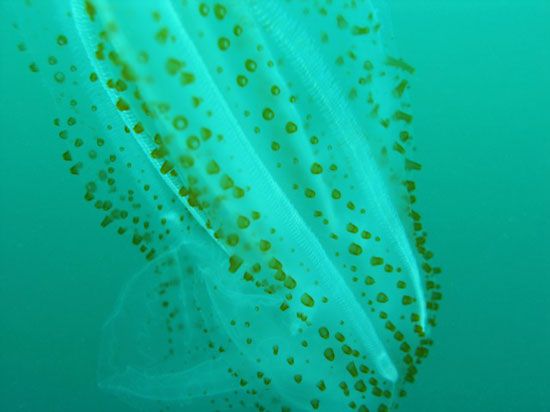
- Thaliacea: These are pelagic organisms that often form large aggregations or colonies.7
Subphylum Cephalochordata
Often called lancelets, cephalochordates are small, fishlike marine invertebrates. Unlike tunicates, their notochord extends the entire length of the body and remains present throughout their adult life. They are considered the closest living relatives to vertebrates.27
Note: While Hemichordata are sometimes historically associated with chordates due to their name, they are a separate phylum and are not classified as protochordates.38
What are the main characteristics that define protochordates?
Protochordates are invertebrate members of the phylum Chordata that share the fundamental body plan of all chordates but lack a backbone. They are primarily represented by two subphyla: the Tunicata and the Cephalochordata.unicate) and the Cephalochordata.1
The defining characteristics of protochordates include:
- Notochord: A stiff, dorsal supporting rod that serves as the primary longitudinal structural element. In tunicates, this is often restricted to the tail, while in cephalochordates, it extends the entire length of the body.1013
- Hollow Dorsal Nerve Cord: A nerve cord located above (dorsal to) the gut, which is a hallmark of the chordate body plan.101
- Gill Slits: Openings from the pharynx to the exterior, used for filter feeding and respiration.101
- Post-anal Tail: A tail that extends behind and above the anus.103
- Endostyle: A mucus-secreting structure located between the gill slits, which is involved in feeding.1011
While these features may be present only during the embryonic stage in some species, they establish the evolutionary link between protochordates and vertebrates.101
Sources
- protochordate — Encyclopædia Britannica
- Chordate - Evolution and paleontology — Encyclopædia Britannica
- Chordate - Annotated classification — Encyclopædia Britannica
- invertebrate — Encyclopædia Britannica
- skeleton - Lower chordates and fishes — Encyclopædia Britannica
- Chordate - General features — Encyclopædia Britannica
- cephalochordate — Encyclopædia Britannica
- hemichordate — Encyclopædia Britannica
- Hemichordata — Merriam-Webster
- Chordate — Encyclopædia Britannica
- notochord — Encyclopædia Britannica
Published on · 3 min read