Macroinvertebrate
A macroinvertebrate is any animal that lacks a backbone and is large enough to be seen without the aid of a microscope. These exothermic organisms can be…
What is macroinvertebrate?
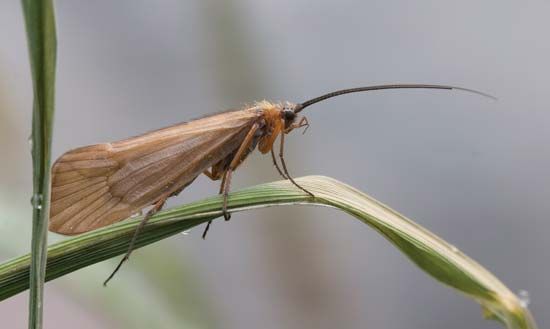
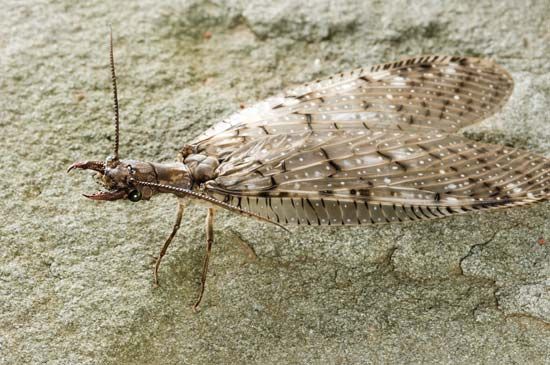
A macroinvertebrate is any animal that lacks a backbone and is large enough to be seen without the aid of a microscope. These exothermic organisms can be terrestrial or aquatic, and they exhibit diverse physical forms, ranging from those with exoskeletons, such as crayfish, to soft-bodied creatures like leeches.1
In freshwater environments, they serve as a vital base for the food chain and play a key role in breaking down organic matter. Because they are nonmigratory, they are frequently used in biomonitoring to assess environmental health; the presence of specific pollution-sensitive families can indicate high water quality, while more tolerant species may suggest otherwise. While some species are used as human food or fishing bait, others, such as mosquitoes, can be detrimental to human health by transmitting diseases.1
How do scientists use macroinvertebrates to measure water pollution?
Scientists use macroinvertebrates for biomonitoring because these organisms are nonmigratory, meaning they spend their entire lives in a specific area and directly reflect the environmental health of that habitat. Because they can be easily sampled and identified with simple equipment, they serve as practical indicators of water quality in streams and other waterways.1
Assessing Water Quality
Waterway health is calculated by analyzing the diversity and abundance of macroinvertebrate families present at a site. Scientists assign tolerance values to different species to gauge the level of pollution in the water:1
- Pollution-sensitive species: The presence of these organisms, such as the larvae of spiny crawler mayflies (family Ephemerellidae), indicates high water quality. These species have low tolerance values (e.g., a value of 1) and can only survive in pristine environments.1
- Pollution-tolerant species: Organisms like leeches possess high tolerance values (e.g., a value of 10), allowing them to thrive in more polluted conditions.1
Surveys of these populations are standard practice before infrastructure projects, such as dredging or the construction of sewage treatment plants, to ensure environmental impacts are monitored.1
What role do macroinvertebrates play in the aquatic food web?
Macroinvertebrates serve as a fundamental component of virtually every freshwater ecosystem, acting as a critical link in the aquatic food chain.1
Their roles within the food web include:
- Primary Food Source: They provide a significant source of energy for a wide variety of other animals, including fish, amphibians, birds, and reptiles.1
- Decomposition and Energy Transformation: Macroinvertebrates break down both living and decaying plant material. This process is essential for transforming plant matter into forms of energy that can be consumed by other organisms within the aquatic environment.1
By facilitating the transfer of energy from plant material to higher-level consumers, macroinvertebrates help maintain the balance of the trophic levels that define inland aquatic ecosystems.13
Why are some macroinvertebrates more sensitive to pollution than others?
The sensitivity of macroinvertebrates to pollution is primarily determined by their specific physiological requirements and their ability to adapt to degraded environmental conditions. While the provided search results do not detail the exact biological mechanisms—such as respiratory efficiency or metabolic pathways—that differentiate these species, they establish that macroinvertebrates possess varying levels of tolerance to pollution.1
Species categorized as pollution-sensitive, such as the larvae of spiny crawler mayflies (family Ephemerellidae), have low tolerance values because they require pristine, high-quality environments to survive and complete their life cycles. In contrast, pollution-tolerant organisms, such as leeches, possess high tolerance values, allowing them to thrive in environments where water quality has been compromised. Because these organisms are nonmigratory and remain in a specific area throughout their lives, their presence or absence serves as a direct reflection of the environmental health of their habitat.1
Sources
- macroinvertebrate — Encyclopædia Britannica
- macroinvertebrate — Merriam-Webster
- Inland water ecosystem - Population and community development and structure — Encyclopædia Britannica
Published on · 3 min read