Pony
While popular culture often features horses, specific famous ponies are less frequently highlighted than their larger counterparts. One of the most notable…
What are some famous ponies in literature, movies, or popular culture?
While popular culture often features horses, specific famous ponies are less frequently highlighted than their larger counterparts. One of the most notable examples in literature is Gabilan, the central figure in John Steinbeck’s classic work, The Red Pony.
In this story, a young boy named Jody Tiflin receives the pony as a gift from his father. The narrative follows Jody’s journey of maturation as he learns to care for and train Gabilan under the guidance of a ranch hand. The story explores themes of responsibility, loss, and the harsh realities of nature, and it was later adapted into a film featuring a score by Aaron Copland.1
While many equines appear in media, they are often categorized broadly as horses or specific breeds like cow ponies rather than being identified strictly as ponies.2
What role do ponies play in equestrian sports and competitions?
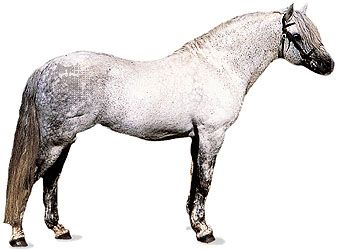
Ponies play a significant role in equestrian sports, serving as versatile mounts for both children and adults across various disciplines. While they are often recognized as docile riding horses for children, many breeds are specifically valued for their athletic capabilities in competitive settings.3
Roles in Equestrian Sports
- Competitive Disciplines: Pony clubs and national horse associations are central to the development of equestrian sports, fostering high standards in dressage, show jumping, and hunter trials.4
- Breed Aptitude: Certain breeds are noted for their specific talents. For example, the Connemara pony is highly regarded for its exceptional jumping ability and smooth gait, while the Pony of the Americas was developed as a versatile mount for young riders.3
- Traditional Terminology: In the sport of polo, the term “polo pony” is used traditionally. Although these mounts are actually full-sized horses, they were historically called ponies because players once preferred smaller, nimbler animals. Today, these horses are selected for their speed, endurance, and intelligence, often contributing significantly to a player’s performance.56
How are ponies traditionally used in different cultures and industries?
Ponies have historically served a variety of roles across different cultures and industries, valued for their sturdiness, energy, and versatility.
Agricultural and Industrial Roles
Ponies have long been utilized for farm labor, including pulling carriages, sledges, and performing pack hauling. For instance, the Haflinger is a robust mountain breed traditionally used for diverse farm tasks. In the industrial sector, particularly in mining, small horses known as pit ponies were employed for packing and hauling coal through narrow mine roadways, a practice that persisted in some regions until the 1940s.738
Cultural and Specialized Uses
- Transportation and Daily Life: Beyond labor, ponies are frequently used as children’s riding horses or kept as pets.7
- Herding: The term “cow pony” refers to an agile saddle horse specifically trained for herding cattle.9
- Polo: In the sport of polo, the term “polo pony” is used traditionally, though these mounts are typically full-sized horses selected for their speed, intelligence, and endurance.10
- Historical Warfare: While larger horses were often preferred for combat, smaller steppe ponies were historically used for their toughness and tractability in various regions.11
What are some popular pony breeds and their unique features?
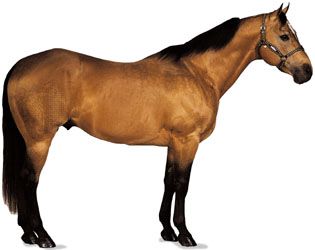
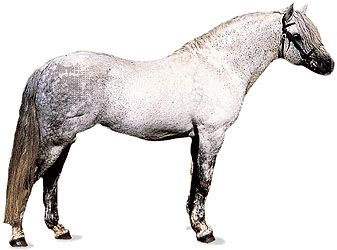
Ponies are generally defined as horses standing less than 14.2 hands (approximately 147 cm) high, known for their sturdiness, energy, and endurance. Several breeds are popular for their unique characteristics and aptitudes:137
Name
Origin
Height (hands)
Key Characteristics
Connemara
Ireland
13–14.2
Extremely hardy; noted for exceptional jumping ability and smooth gait.
Pony of the Americas
U.S.
11.2–13.2
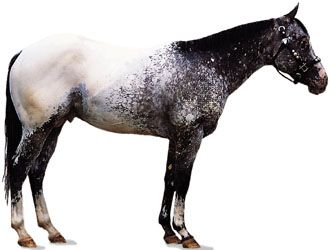
Features distinctive Appaloosa coloring; developed as a versatile mount for children.
Shetland
Scotland
10
Very powerful and stocky; possesses a thick mane and tail; historically used as a pit pony.
Welsh
Wales
12.2–13.2
Hardy with Arabian influence; known for fine features and excellent gaits.
Other notable varieties include the Haflinger, a robust mountain pony from the South Tyrol region recognized by its chestnut coat and flaxen mane, and the Dartmoor and Exmoor breeds, which are native to the English moors. These animals are valued not only for their roles in equestrian sports but also as reliable pack animals and companions.1376
Sources
- The Red Pony — Encyclopædia Britannica
- equines — Merriam-Webster
- polo - Polo ponies — Encyclopædia Britannica
- polo: Top Questions — Encyclopædia Britannica
- horsemanship - Riding and shows — Encyclopædia Britannica
- Horse breeds — Encyclopædia Britannica
- horse - Ponies — Encyclopædia Britannica
- coal mining - Manual labour to electric power — Encyclopædia Britannica
- pit pony — Merriam-Webster
- military technology - The horse — Encyclopædia Britannica
- cow pony — Merriam-Webster
- Indigenous peoples of the Great Plains - Plains life after the horse — Encyclopædia Britannica
- pony — Encyclopædia Britannica
- Shetland pony — Encyclopædia Britannica
- horse - Ponies — Encyclopædia Britannica
- Shetland pony — Merriam-Webster
Published on · 3 min read