Raisin
The process of turning grapes into raisins involves dehydration, a method that removes moisture to prevent the growth of microorganisms and extend shelf…
What is the process of turning grapes into raisins?
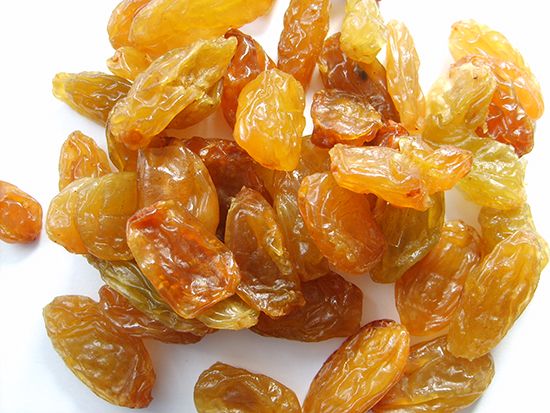
The process of turning grapes into raisins involves dehydration, a method that removes moisture to prevent the growth of microorganisms and extend shelf life. While sun drying is the most traditional approach, several techniques are used depending on the desired outcome:12
- Natural: Grapes are dried in the sun in their natural state, resulting in a grayish-black or brown color with a tough skin.2
- Golden-bleached: Thompson Seedless grapes are dipped in a dilute lye solution and exposed to sulfur dioxide to achieve a golden-yellow color.2
- Sulfur-bleached: Grapes are pretreated with lye, exposed to the sun briefly, and then dried in the shade for several weeks to produce a waxy, creamy appearance.2
- Soda-dipped: Grapes are hot-dipped in lye and dried in the sun or a dehydrator without sulfur, resulting in a tender, light-to-medium brown fruit.2
- Oil-dipped: Grapes are dipped in a lye solution topped with olive oil and dried in direct sunlight.2
What are the different varieties of raisins available, and how do they differ?
Raisins are categorized primarily by the variety of grape used and the specific method employed during the drying process.
Major Grape Varieties
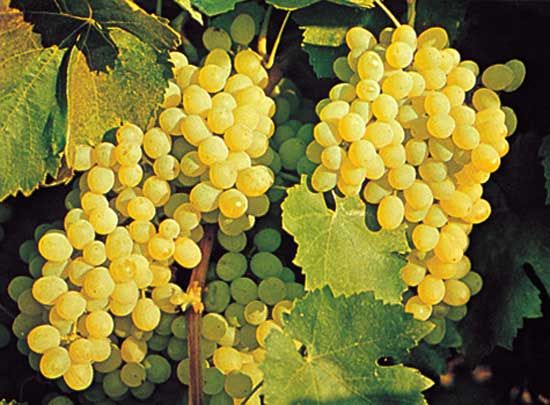
- Thompson Seedless: Also known as Sultanina, this pale yellow seedless grape is the most important variety for raisin production.1
- Muscat: A large-seeded variety, sometimes called Alexandria, Gordo Blanco, or White Hanepoot.1
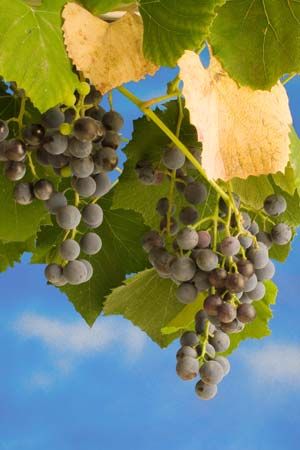
- Black Corinth: A small, black seedless type often referred to as a Zante currant or panariti.13
- Other Varieties: These include the Round Kishmish, Rosaki, Dattier, Monukka, and Cape Currant.1
Differences by Drying Method
The processing technique significantly alters the final appearance, texture, and flavor of the fruit:
- Natural: Sun-dried in their natural state, these are grayish-black or brown with a tough skin.1
- Golden-bleached: Treated with lye and sulfur dioxide, these are lemon-yellow to golden and commonly used in baking.1
- Sulfur-bleached: Pretreated like golden-bleached raisins but shade-dried, resulting in a waxy, creamy, reddish-yellow appearance.1
- Soda-dipped: Hot-dipped in lye without sulfur, these are light amber to brown and tender.1
- Oil-dipped: Dipped in lye and olive oil before sun-drying, these are medium to dark brown, tender, and mild.1
What climates and conditions are best suited for growing grapes used to make raisins?
Grapes used for raisins require specific climatic conditions to reach the maturity necessary for high-quality production. While they are primarily temperate-zone plants, they thrive in regions that provide sufficient heat during the growing season to ensure the fruit develops adequate sugar levels and proper acidity.5
Key environmental requirements include:
- Heat Summation: Grapes need a total heat accumulation of at least 1,800° (calculated by daily temperatures above 10 °C/50 °F) to ripen successfully. Regions with high heat, such as parts of California and Algeria, allow for early maturation.5
- Temperature Stability: Vines are sensitive to extreme cold; winter temperatures dropping below −7 °C (20 °F) can damage or kill the vine and its fruitful buds.5
- Soil and Drainage: Successful cultivation relies on soil temperatures remaining above 10 °C during the growing season. Proper drainage is essential, as vines require consistent moisture but cannot tolerate waterlogged conditions.5
- Sunlight: Abundant sunshine is critical, particularly for natural sun-drying methods, which are central to the industry in major producing nations like the United States and Turkey.51
How are raisins produced commercially on a large scale?
Commercial raisin production relies on specific drying methods to transform fresh grapes into the final product. While natural sun-drying remains a primary technique, several industrial processes are used to achieve specific textures and colors:
- Natural: Grapes are dried in the sun in their natural state, resulting in a grayish-black or brown fruit with a tough skin and intact bloom.1
- Golden-bleached: Thompson Seedless grapes are dipped in a 0.5 percent lye solution and exposed to sulfur dioxide after drying to achieve a golden-yellow color.1
- Sulfur-bleached: Grapes undergo the same pretreatment as golden-bleached raisins but are dried in the shade for several weeks after an initial short period in the sun, creating a waxy, creamy, reddish-yellow appearance.1
- Soda-dipped: Grapes are hot-dipped in dilute lye and dried in the sun or a dehydrator, resulting in a tender, light amber to brown product.1
- Oil-dipped: Grapes are dipped in a lye solution topped with a thin film of olive oil before being sun-dried, which produces a tender, mild-flavored raisin.1
Sources
- raisin — Encyclopædia Britannica
- fruit processing - Dehydration — Encyclopædia Britannica
- Zante currant — Merriam-Webster
- sultana — Merriam-Webster
- wine - Cultivation — Encyclopædia Britannica
- raisin grape — Merriam-Webster
Published on · 3 min read