Rosewood
Rosewood refers to the timber produced by various tropical trees, most notably those within the genus Dalbergia, which belongs to the Fabaceae (legume)…
What is rosewood and what are its distinguishing characteristics as a tree?
Rosewood refers to the timber produced by various tropical trees, most notably those within the genus Dalbergia, which belongs to the Fabaceae (legume) family belongs to the Fabaceae (legume) family. These trees are native to regions including Brazil, Honduras, Jamaica, Africa, and India.123
Distinguishing Characteristics
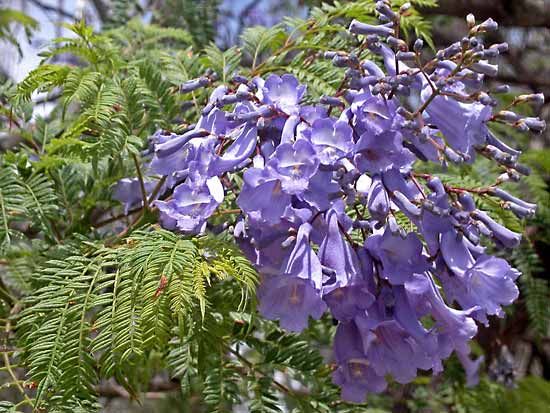
- Tree Structure: These are typically tropical trees that can reach heights of up to 125 feet (38 meters). They are characterized by pinnate leaves and paniculate flowers.32
- Timber Appearance: The wood is prized for its deep, ruddy brown to purplish-brown color, which is distinctively streaked and variegated with black, resinous layers.31
- Workability and Growth: While the heartwood can reach large dimensions, the trees often develop decay at the center before reaching full maturity, resulting in hollow or faulty logs. Due to its high resin content, the wood is notoriously difficult to work, though it is capable of taking a fine polish.3
Historically favored by cabinetmakers and piano manufacturers, its use is now limited by dwindling supplies.3
What are the main uses of rosewood in furniture and musical instrument manufacturing?
Rosewood has historically been a highly valued material in both fine cabinetry and musical instrument manufacturing due to its rich, dark color and ability to take a fine polish.12
Furniture and Cabinetry
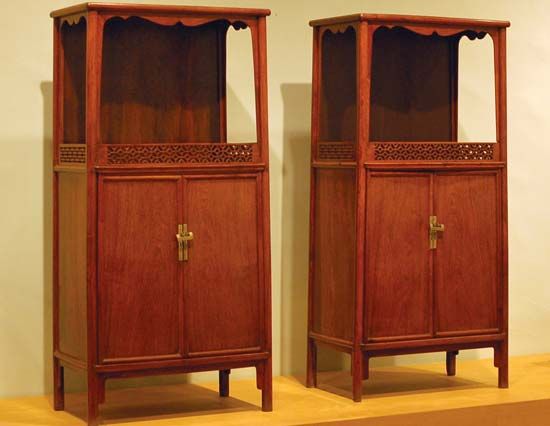
In the field of cabinetmaking, rosewood was traditionally prized for its aesthetic appeal, characterized by a deep, ruddy brown to purplish-brown hue, often streaked with black, resinous layers. While it was once in high demand for creating high-quality furniture, its use in this sector has significantly declined due to waning supplies.1
Musical Instruments
The wood’s dense, resonant properties have made it a staple in the production of musical instruments. Specifically, it is still utilized to fashion xylophone bars, where its durability and acoustic qualities are particularly beneficial. Historically, it was also a preferred material for piano makers, though modern usage is increasingly restricted by the scarcity of the timber.1
Because these trees often develop decay at the center before reaching full maturity, large, high-quality planks are increasingly rare, further limiting its availability for large-scale manufacturing.1
Which species of rosewood are most commonly used commercially?
The most commercially significant species of rosewood are derived from several tropical trees, primarily within the genus Dalbergia.
The most important species include:
- Honduras rosewood (Dalbergia stevensoni): A primary source of commercial timber historically exported from Honduras.1
- Brazilian rosewood (Dalbergia nigra): Also known as cabiúna or jacaranda, this species is highly valued for its heavy, dark-colored wood streaked with black.14
- Species of Machaerium: Often referred to as jacaranda, these trees are also members of the Fabaceae family and serve as a source of commercial rosewood.1
While these species were once exported in large quantities from regions such as Brazil, Jamaica, and Honduras, their commercial availability is now restricted due to dwindling supplies.1
Why is rosewood considered a valuable material for musical instruments?
Rosewood is highly valued for musical instrument manufacturing primarily due to its unique physical and acoustic properties. The wood is characterized by a deep, ruddy brown to purplish-brown color, which is richly streaked and grained with black, resinous layers. This dense, resinous composition contributes to the material’s durability and its ability to produce the specific tonal qualities required for high-quality instruments, such as xylophone bars.1
Beyond its acoustic performance, the wood is prized for its aesthetic appeal and its ability to take a fine polish. Historically, these qualities made it a preferred material for piano makers and fine cabinetmakers. However, because the heartwood often begins to decay before the tree reaches full maturity—resulting in hollow or faulty centers—large, high-quality planks are rare. This scarcity, combined with the difficulty of working with its resinous nature, has significantly restricted its modern use in instrument production.1
Sources
- rosewood — Encyclopædia Britannica
- rosewood — Merriam-Webster
- Dalbergia — Merriam-Webster
- East Indian rosewood — Merriam-Webster
- Brazilian rosewood — Merriam-Webster
Published on · 3 min read