Saiga
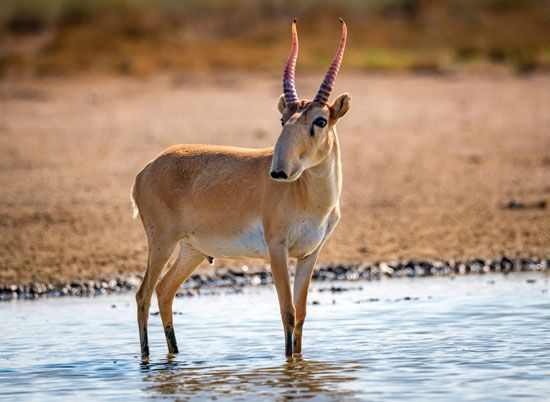
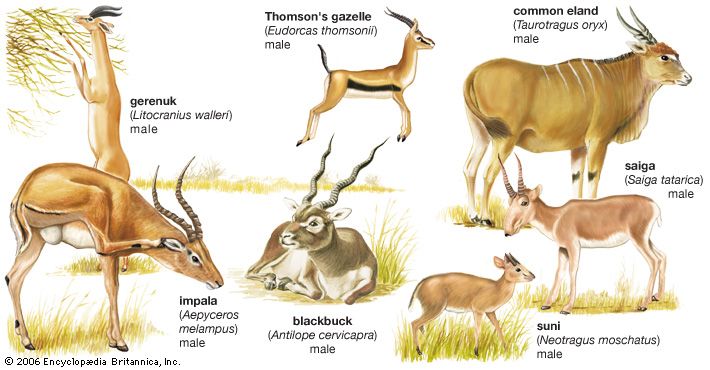
The saiga (Saiga tatarica) is a medium-sized bovid distinguished by several unique physical adaptations:
What are the unique physical characteristics of the saiga antelope?
The saiga (Saiga tatarica) is a medium-sized bovid distinguished by several unique physical adaptations:
- Swollen Snout: Its most prominent feature is an inflated, bulbous snout with downward-directed nostrils. This structure helps warm and moisten inhaled air, aids in the animal’s keen sense of smell, and may function as a sounding chamber for rutting calls.12
- Horns: Only the males possess horns, which are ridged, amber-yellow, and lyre-shaped.12
- Coat: The animal’s fur changes seasonally, appearing short and pale brown during the summer and thick and whitish throughout the winter.1
- Facial Features: In addition to the nasal region, males are characterized by tufts of long hair located beneath their eyes and ears.2
The adult saiga typically stands about 76 cm (30 inches) at the shoulder and weighs between 31 and 43 kg (68 to 95 pounds), with females generally being about three-quarters the size of males.1
Where are saiga antelopes primarily found in the wild?
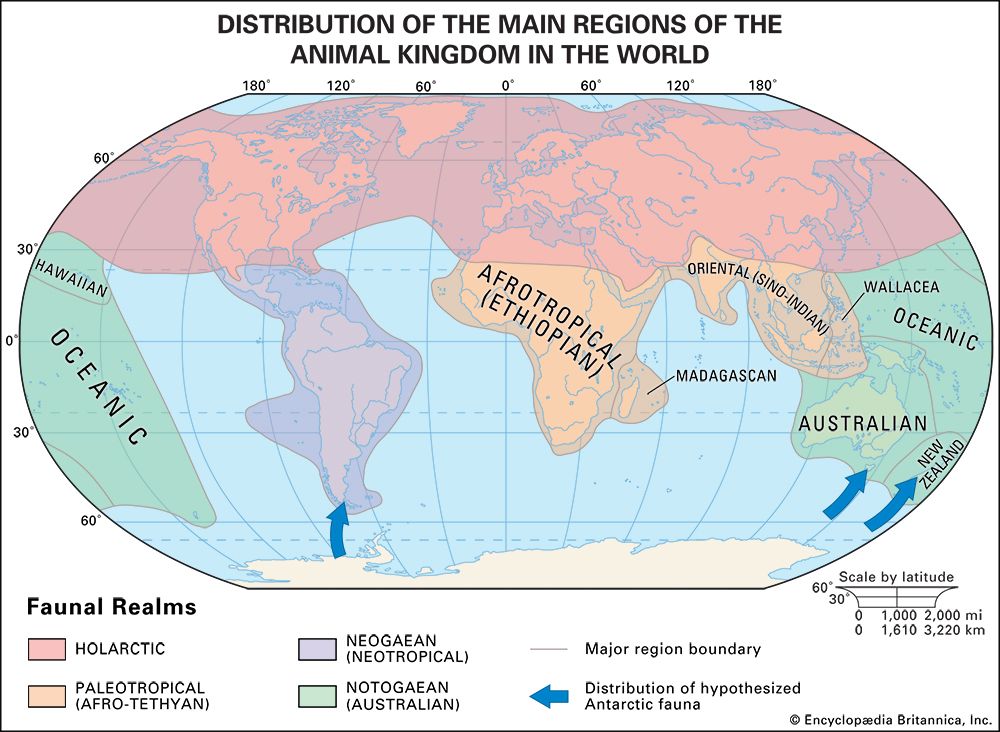
The saiga antelope is primarily found in the treeless steppe regions of southwestern Russia, Kazakhstan, and Mongolia.1
While the species was once widespread across a vast range extending from Poland to western Mongolia, its distribution has been significantly reduced due to habitat destruction and extensive hunting. Today, these animals live in scattered populations within their remaining range and are classified as critically endangered by the International Union for Conservation of Nature.1
How has the saiga population changed over time, and what are the main threats to their survival?
The saiga population has experienced dramatic fluctuations over the last century, largely driven by human activity and environmental factors. Once widespread from Poland to Mongolia, the species was nearly decimated by the early 20th century due to indiscriminate hunting for their horns, meat, and hides. Following a 1921 ban on hunting in the Soviet Union, populations recovered significantly under state-managed conservation. However, since the dissolution of the Soviet Union, numbers have plummeted again due to rampant poaching.1
The primary threats to their survival include:
- Poaching: The high value of male horns in traditional Chinese medicine drives illegal hunting. Poachers often use aggressive tactics, such as chasing herds with motorcycles.1
- Disease: Outbreaks of pasteurellosis, a bacterial infection, have caused catastrophic mass mortality events, including the loss of over 120,000 individuals in 2015.1
- Environmental Stress: Severe winters can lead to significant population declines, as seen in 2009–10.1
- Habitat Destruction: The loss of steppe habitat continues to fragment and threaten remaining groups.1
What is a saiga?
The saiga (Saiga tatarica) is a medium-sized, hoofed mammal belonging to the family Bovidae. It is primarily recognized for its distinctive, swollen snout with downward-directed nostrils, which helps warm and moisten inhaled air and may assist with its sense of smell.
These antelopes inhabit treeless steppe regions in southwestern Russia, Kazakhstan, and Mongolia. Adult males are characterized by ridged, lyre-shaped, amber-yellow horns, which are highly valued in traditional Chinese medicine—a factor that has driven extensive poaching and contributed to the species being classified as critically endangered by the International Union for Conservation of Nature.
Historically, the saiga was widespread, but its numbers have fluctuated significantly due to habitat loss, hunting, and disease outbreaks like pasteurellosis. Today, they remain a focus of intense conservation efforts to prevent their extinction.
Sources
- saiga — Encyclopædia Britannica
- saiga — Merriam-Webster
Published on · 3 min read